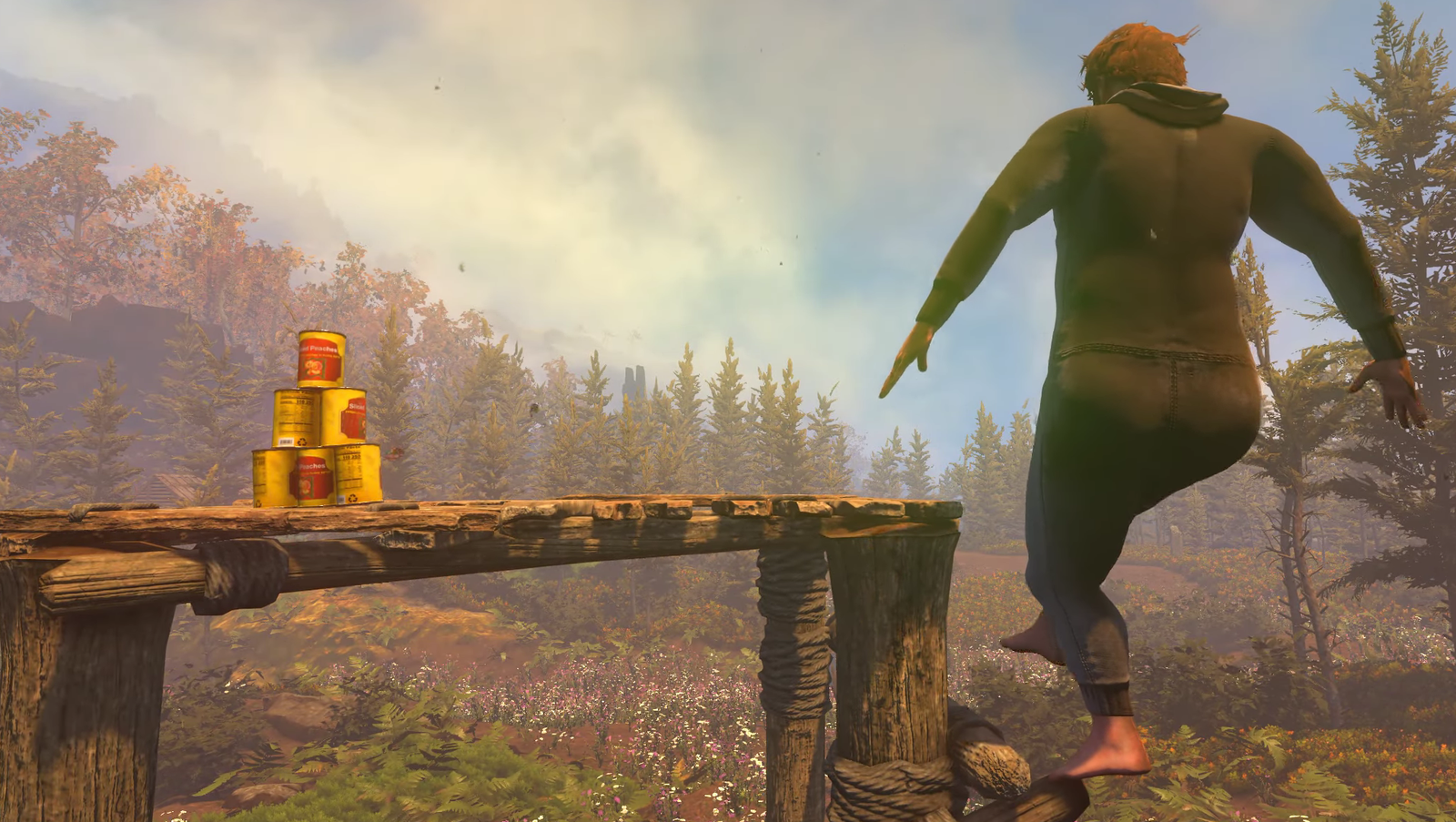
In a bold defiance of traditional game design, the creators of the 2025 hit Baby Steps intentionally placed piles of cans atop grueling, untested climbing challenges to troll players—only to watch in awe as fans successfully conquered almost every single one.
Embracing “Indifference to the Player”
While most modern game design focuses on rigorous playtesting and smooth player guidance, Baby Steps takes the opposite approach. Co-creator Gabe Cuzzillo describes the design philosophy as “indifference to the player.”
Speaking at the 2026 Game Developers Conference, Cuzzillo criticized the “theme park” style of level design found in many single-player titles. He argued that developers often become so obsessed with preventing player frustration that they strip away the potential for genuine discovery and challenge. For Cuzzillo, the goal was to move away from the “dumbing down” of experiences and instead embrace a world that doesn’t cater to the user’s every whim.
The Art of the Pointless Reward
This philosophy extends to the game’s collectibles. Rather than rewarding exploration with meaningful upgrades, Baby Steps often makes the effort feel intentionally hollow. When players endure hours of physics-based climbing to reach a daunting tower, they are frequently met with nothing at all—a fact the game’s characters often warn them about in advance.
The piles of cans found throughout the world serve as the ultimate symbol of this design. “All you can do is kick them over, and they’re not even very satisfying,” Cuzzillo noted. These items were placed on high-altitude spots simply to see if the developers themselves could reach them. When they couldn’t, they left them there anyway, taunting players to see if they could overcome the game’s indifference.
The One Stack That Remained Unconquered
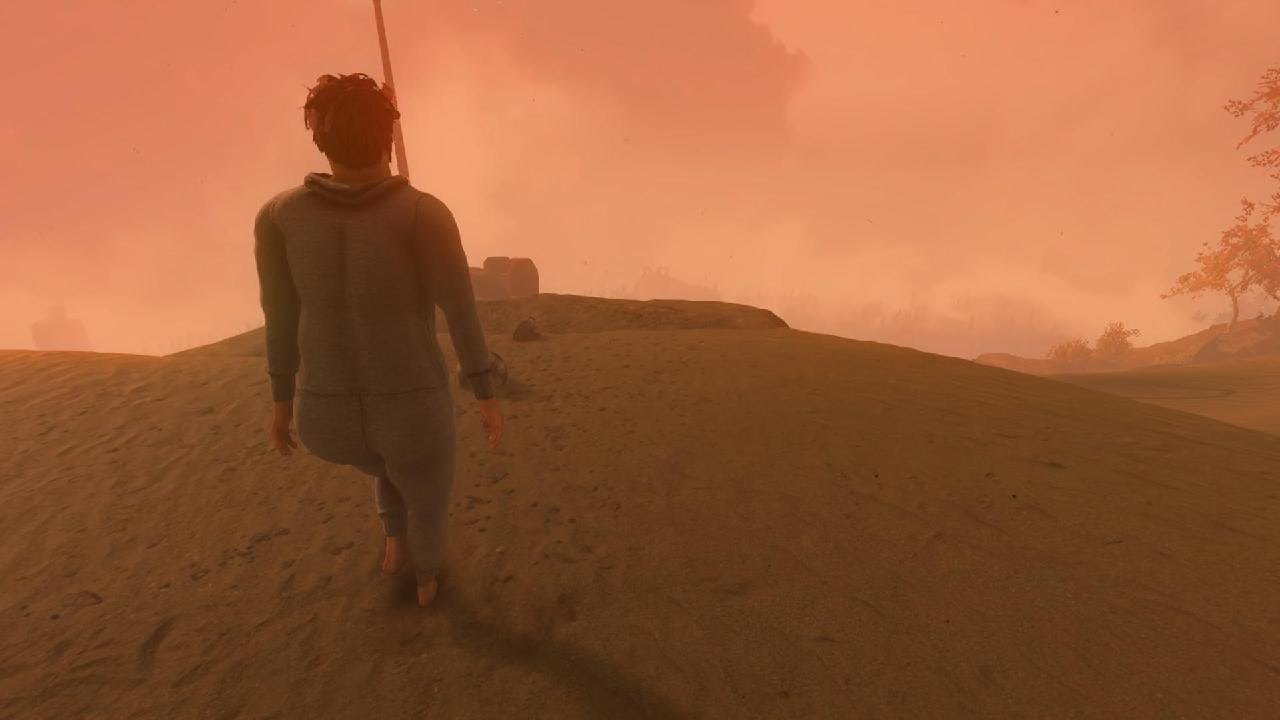
Surprisingly, players managed to climb to every single stack of cans in the game—with the exception of one. Cuzzillo admitted that watching the community obsess over that final, unreachable stack initially caused him anxiety. However, he eventually realized there was something beautiful in the process.
“Putting cans on things we haven’t climbed is asking an open question to our players,” Cuzzillo explained. By refusing to guide the player, the developers created an environment where the community had to invent their own solutions and push the mechanics to their absolute limit. In the end, the game stopped being about what the developers knew and became a conversation about what the players could uncover on their own.