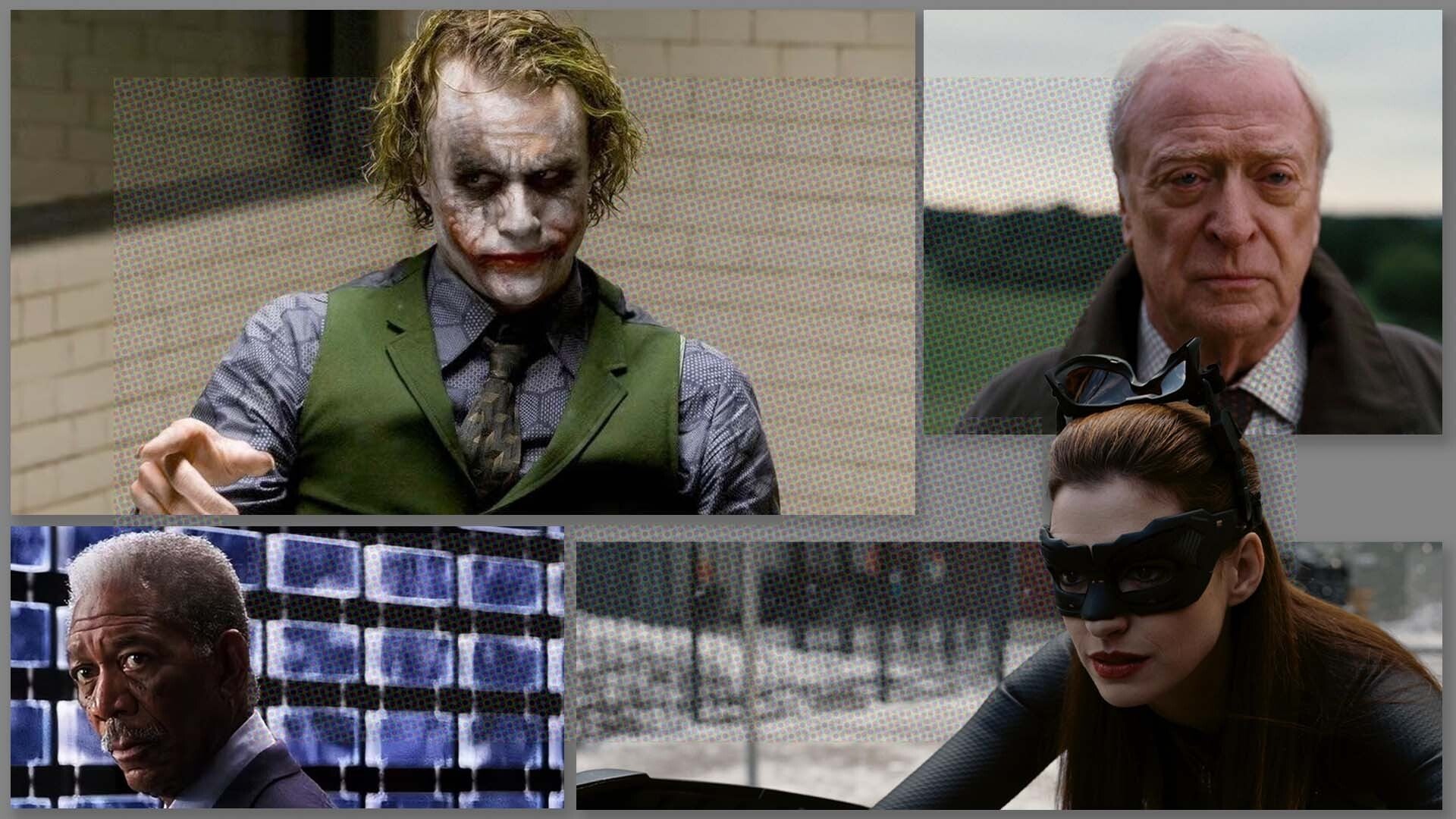
Two decades after Batman Begins revitalized the Caped Crusader, Christopher Nolan’s trilogy remains the definitive benchmark for grounded, gritty superhero cinema. Following the catastrophic failure of Batman & Robin, Warner Bros. tasked the then-emerging director with reinventing Gotham for a post-9/11 landscape. By blending the sensibilities of Michael Mann’s crime dramas with complex political thrillers, Nolan—alongside writers David S. Goyer and Jonathan Nolan—transformed Bruce Wayne’s journey from a comic book trope into a profound exploration of class conflict, trauma, and justice.
From Origin to Icon: The Evolution of Gotham
Christian Bale’s portrayal of Bruce Wayne offered a start-to-finish look at the psychological construction of Batman. Batman Begins arrived as a gothic epic that shifted the entire genre away from camp and toward a visceral, tactical reality. As the trilogy progressed, the stakes escalated from local crime syndicates to the systematic destabilization of Gotham City. Throughout this narrative arc, specific figures served as the moral compass, the catalyst for change, or the ultimate architect of chaos, leaving an indelible mark on the Dark Knight’s legacy.
The Architects of the Dark Knight’s World
The impact of these characters extends far beyond their individual screen time; they represent the ideological pillars upon which Nolan built his trilogy. Whether acting as mentors who shaped Bruce’s discipline, allies navigating the corruption of the GCPD, or villains who forced Gotham to confront its own inherent contradictions, these ten characters are the reason the trilogy continues to resonate two decades later. They are not merely supporting cast members, but essential components in the evolution of the man behind the mask and the city he fought to save.