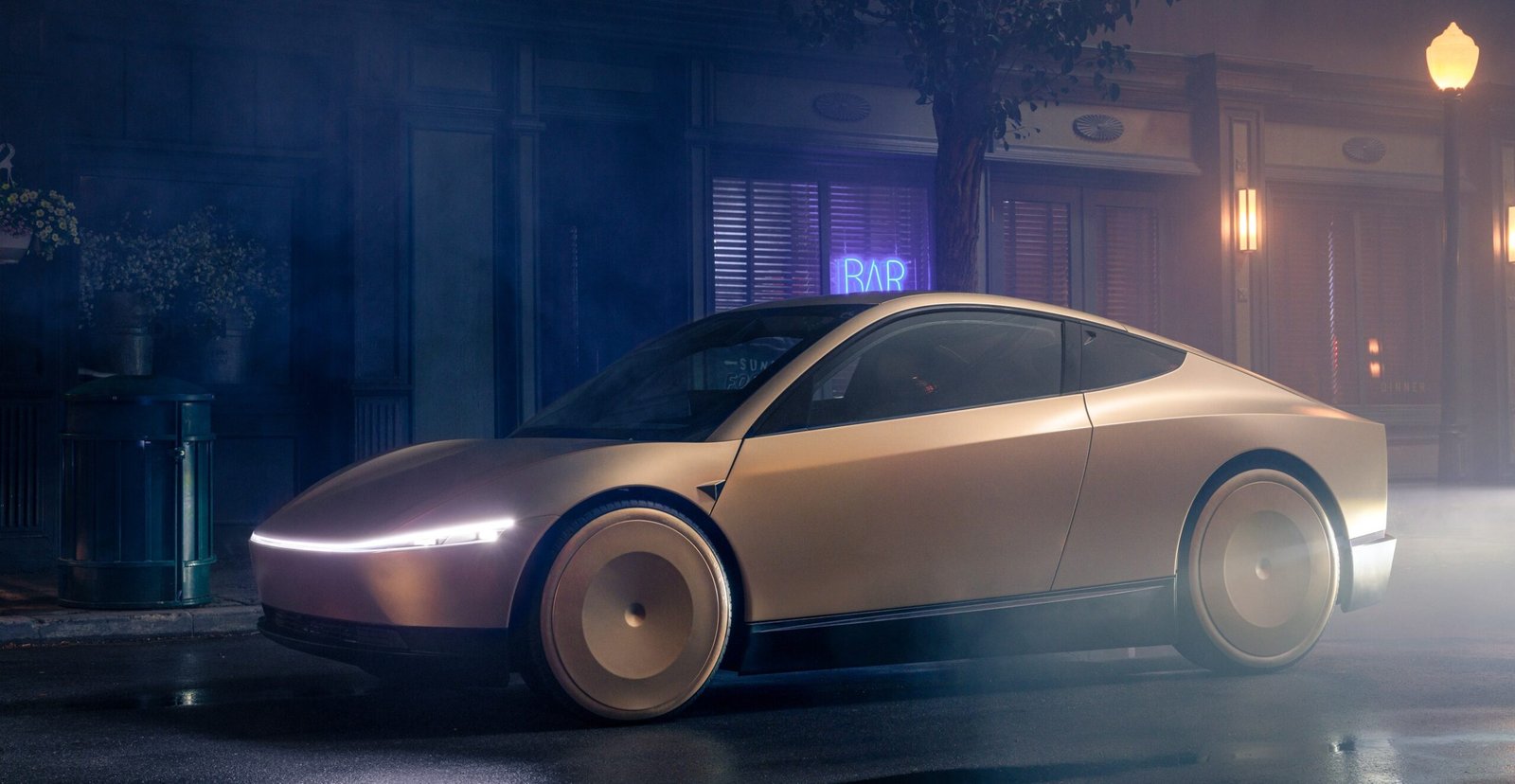
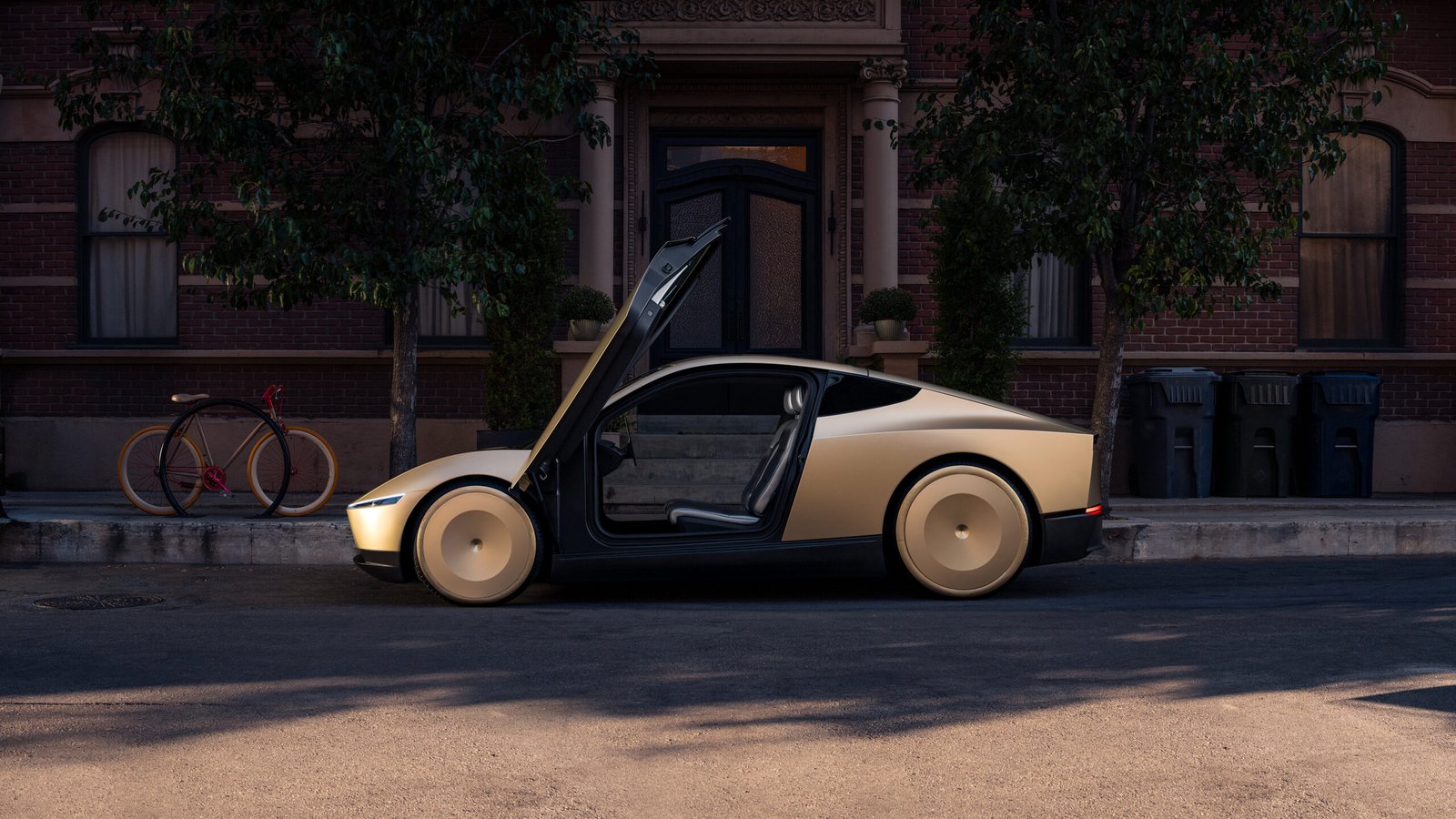
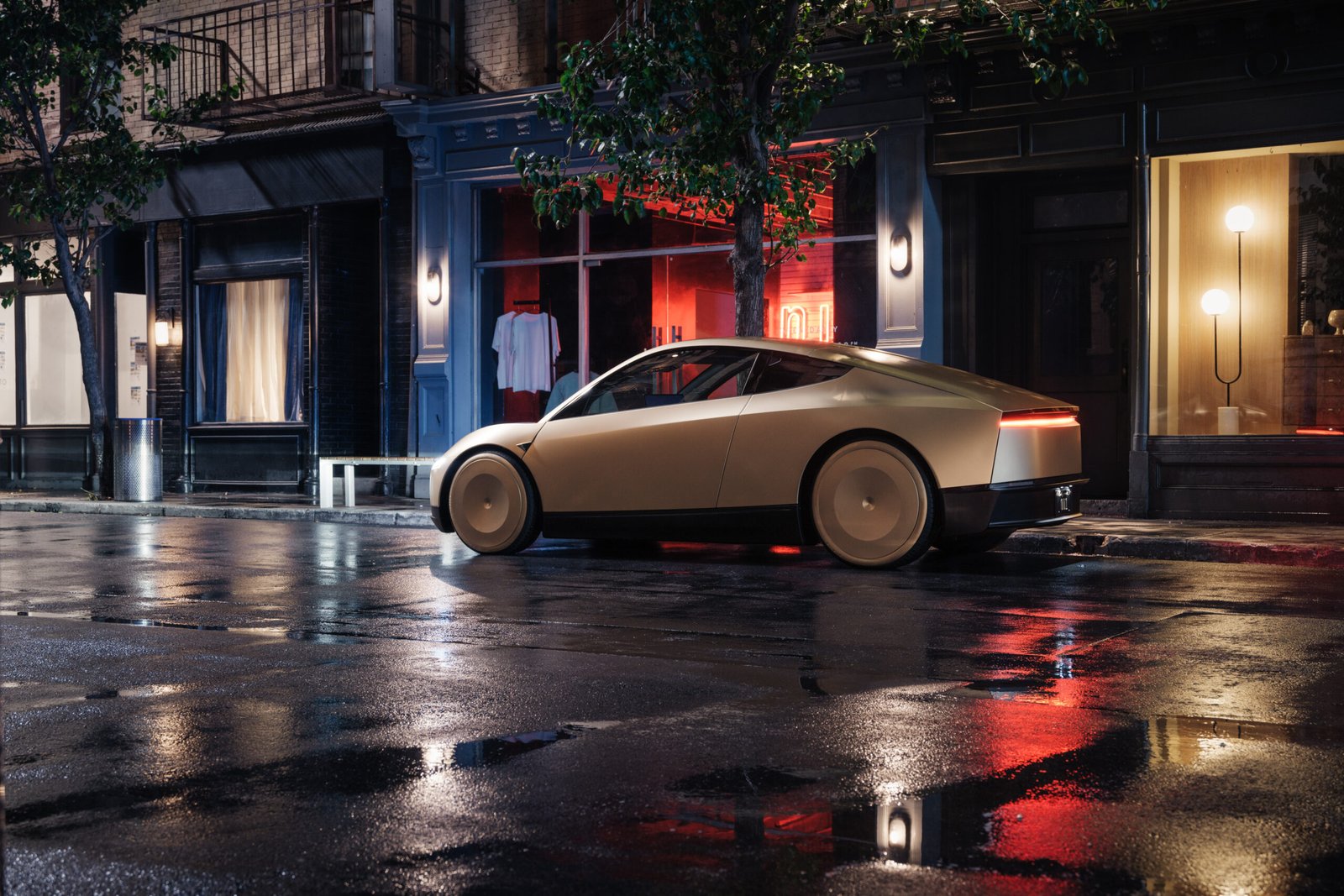
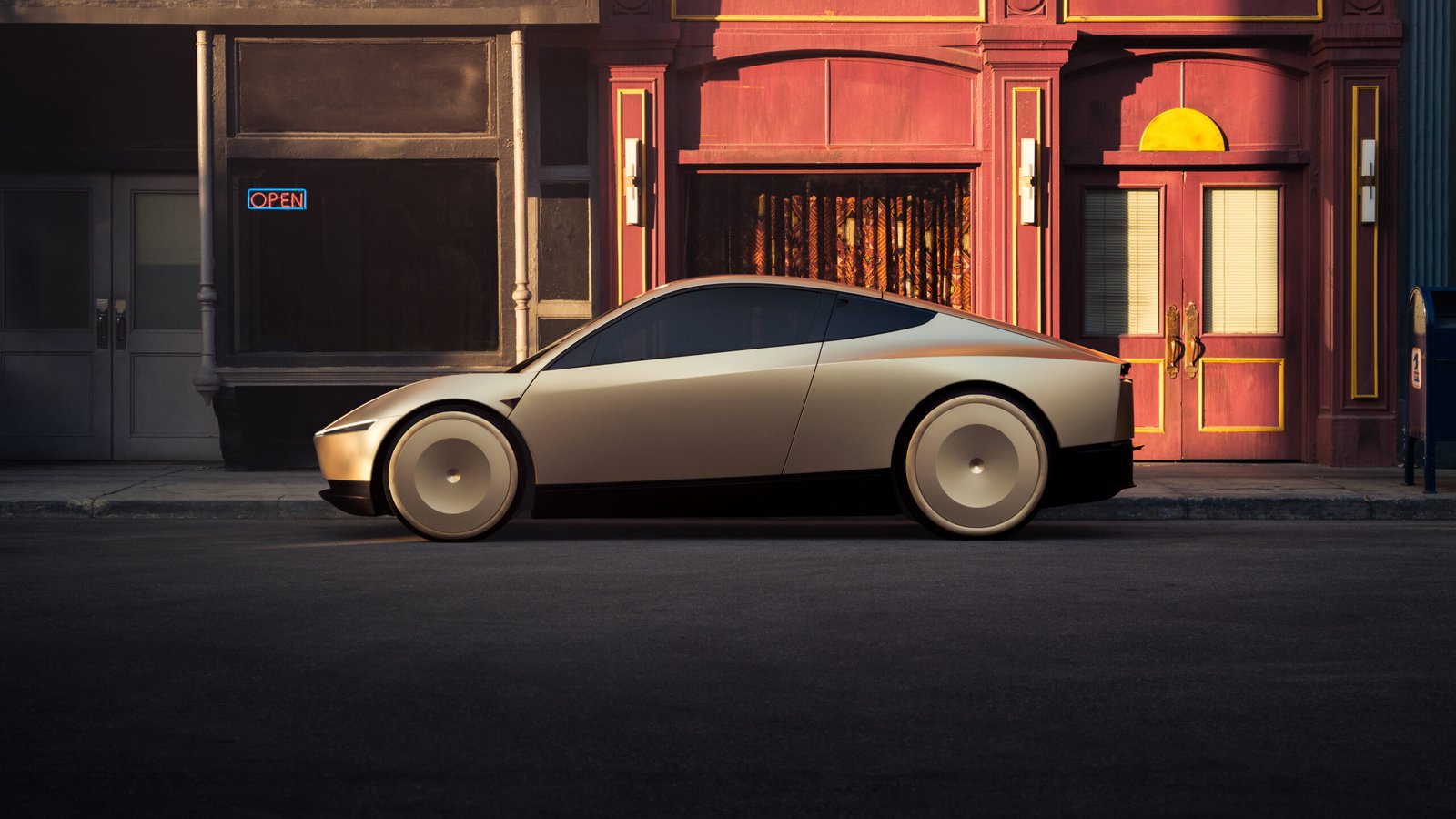
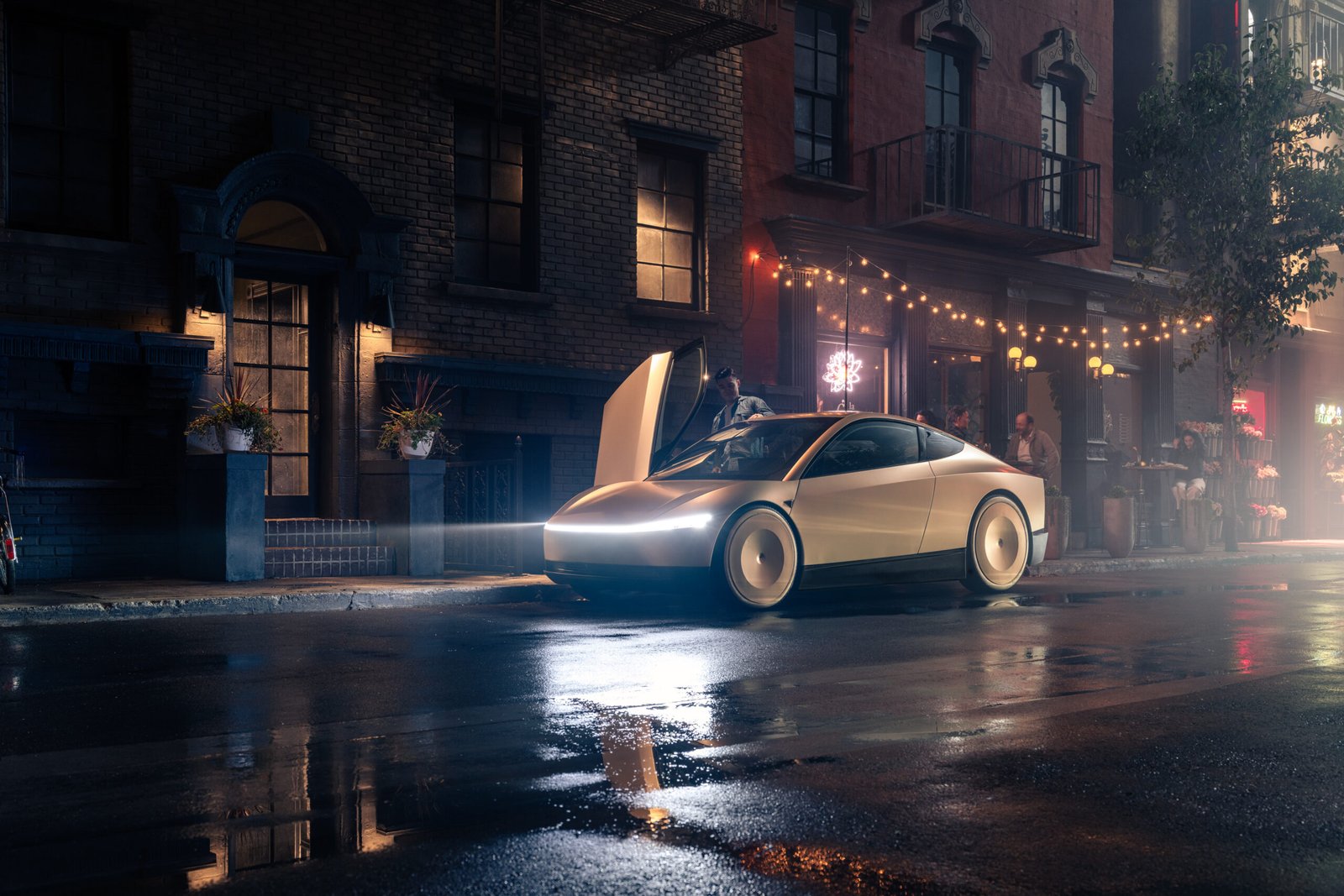
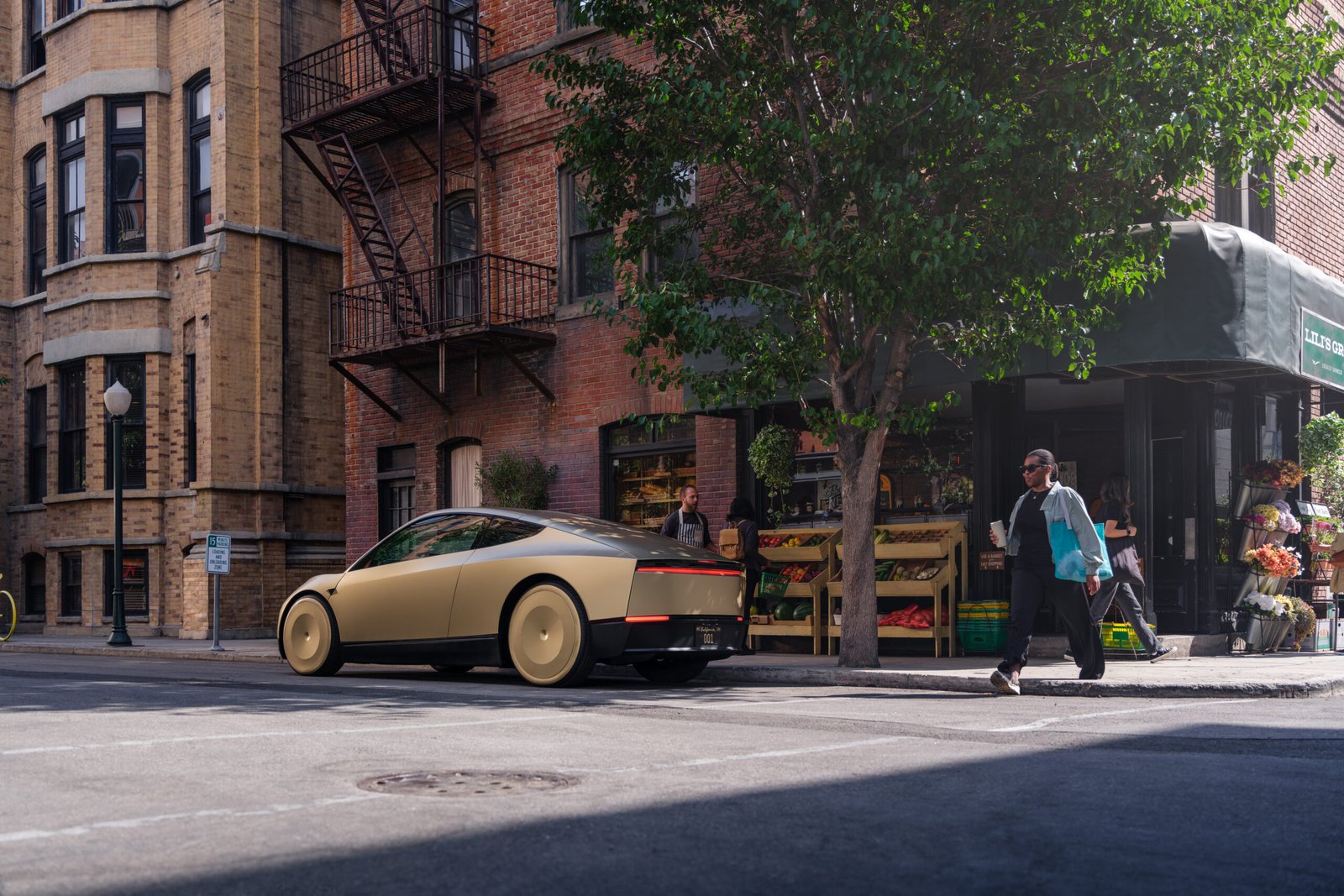
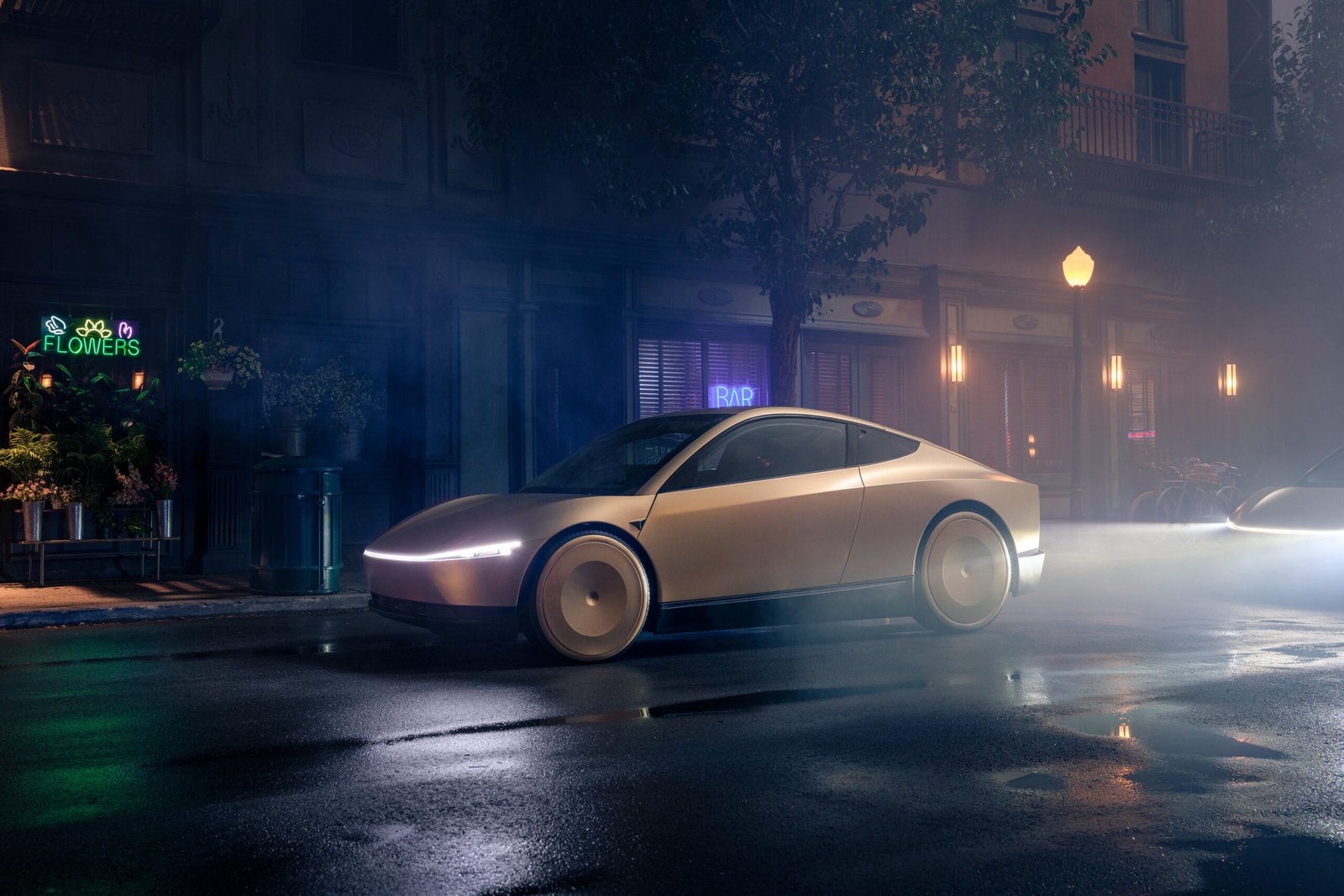
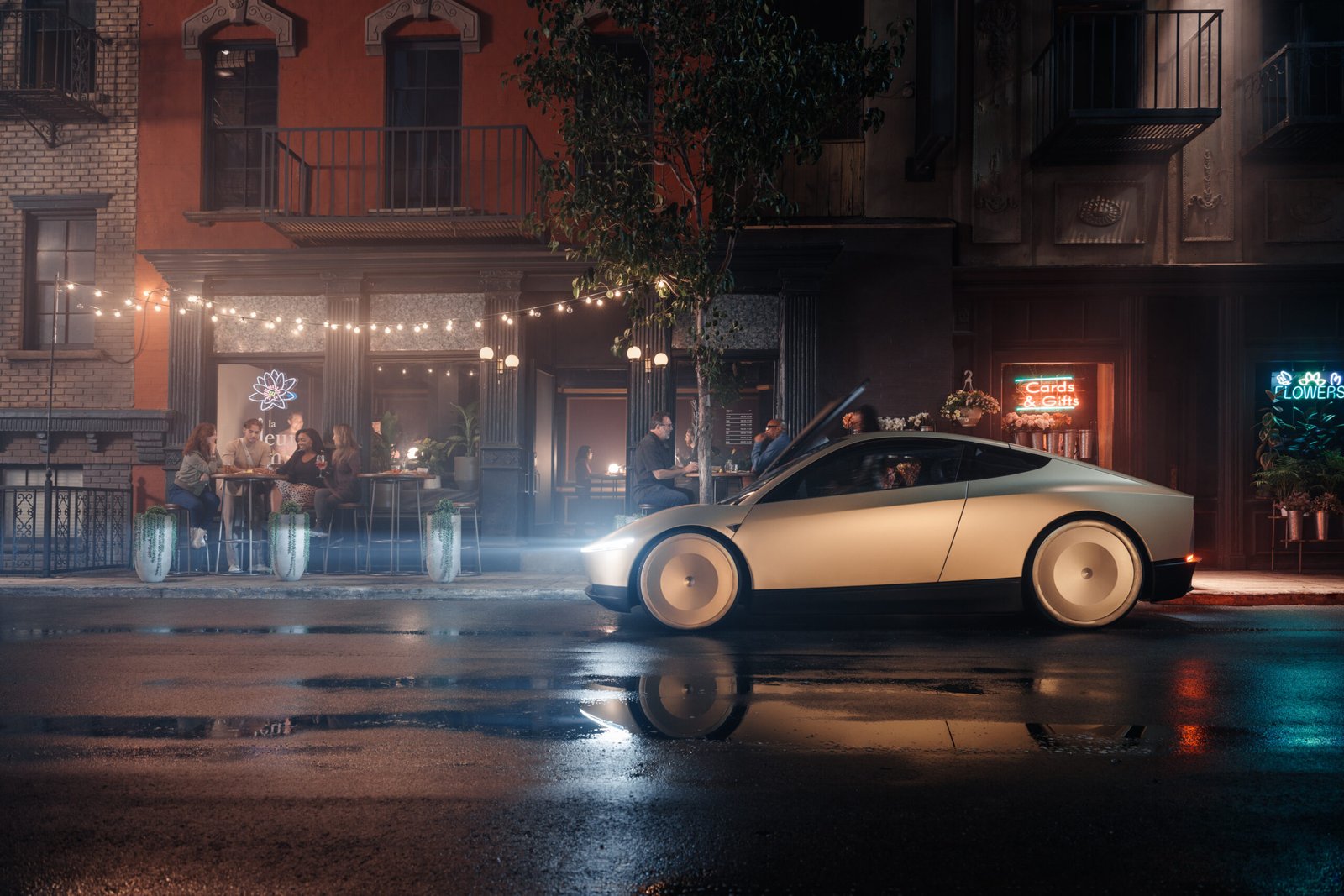
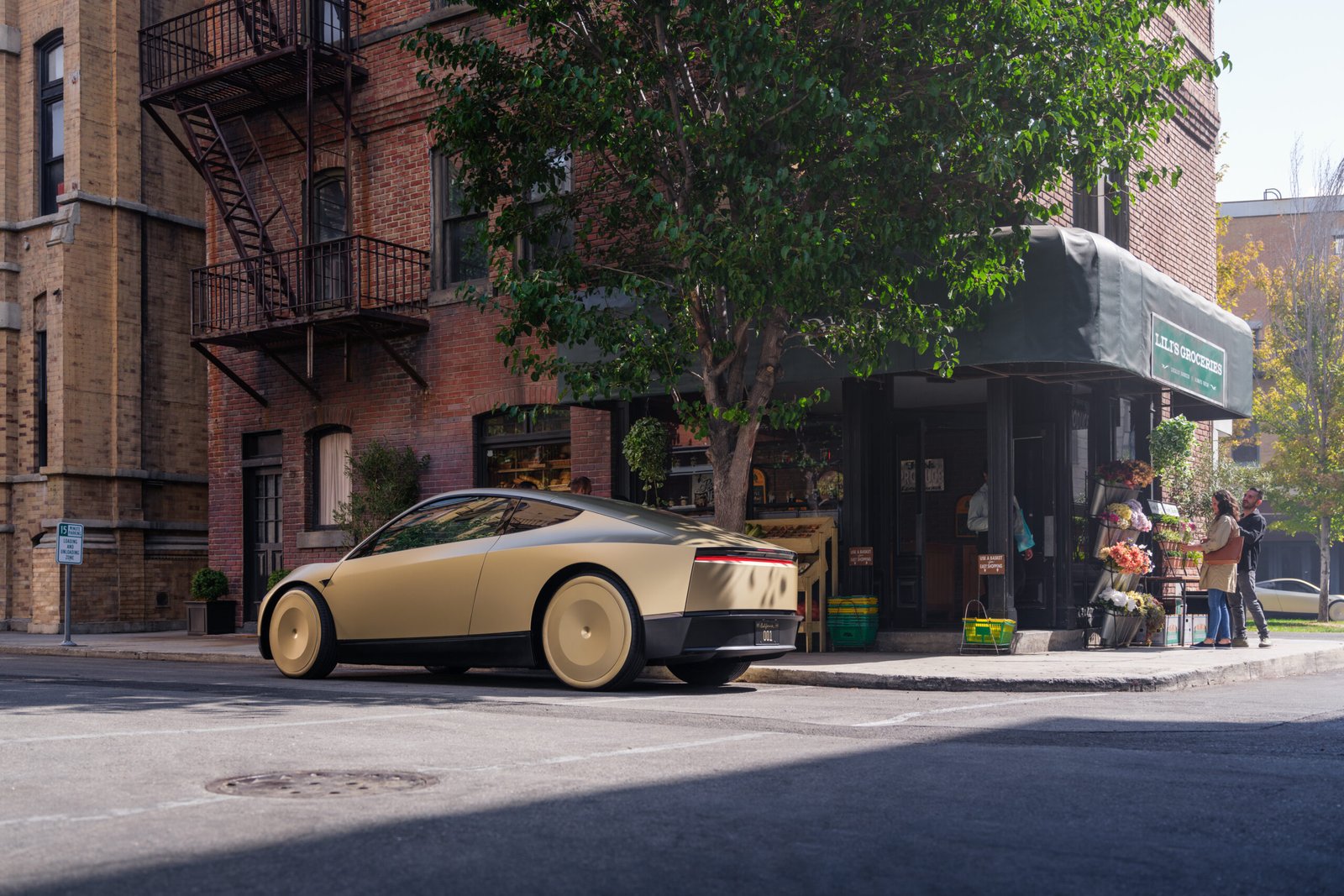
Tesla CEO Elon Musk officially pulled the curtain back on the Cybercab, a purpose-built autonomous electric vehicle, during the “We, Robot” event at the Warner Bros. film lot in Burbank, California. Designed to operate without a steering wheel or pedals, the vehicle marks a bold shift in Tesla’s mission to pivot from a traditional automaker into an AI and robotics powerhouse.
A Futuristic Design Built for Autonomy
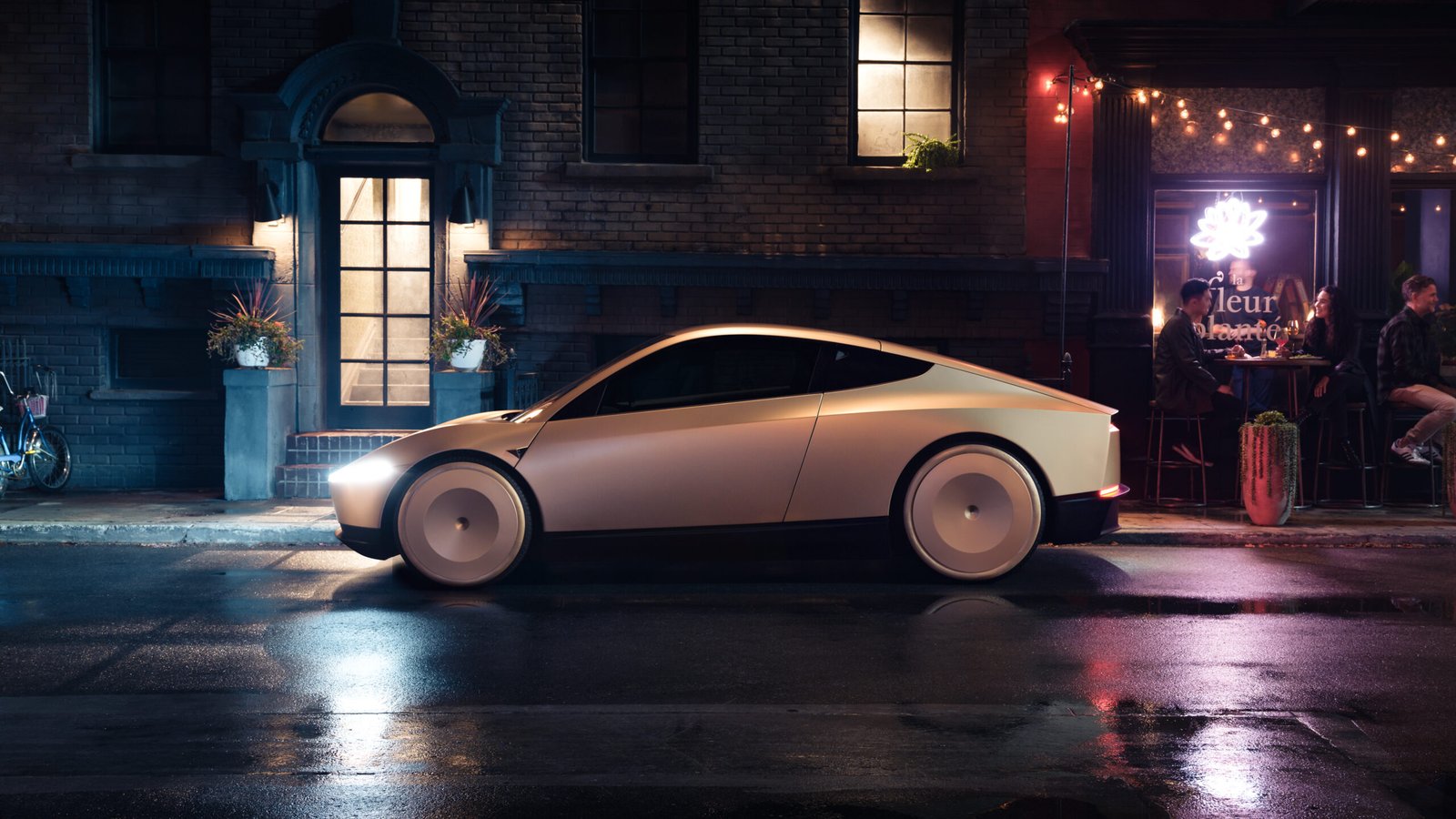
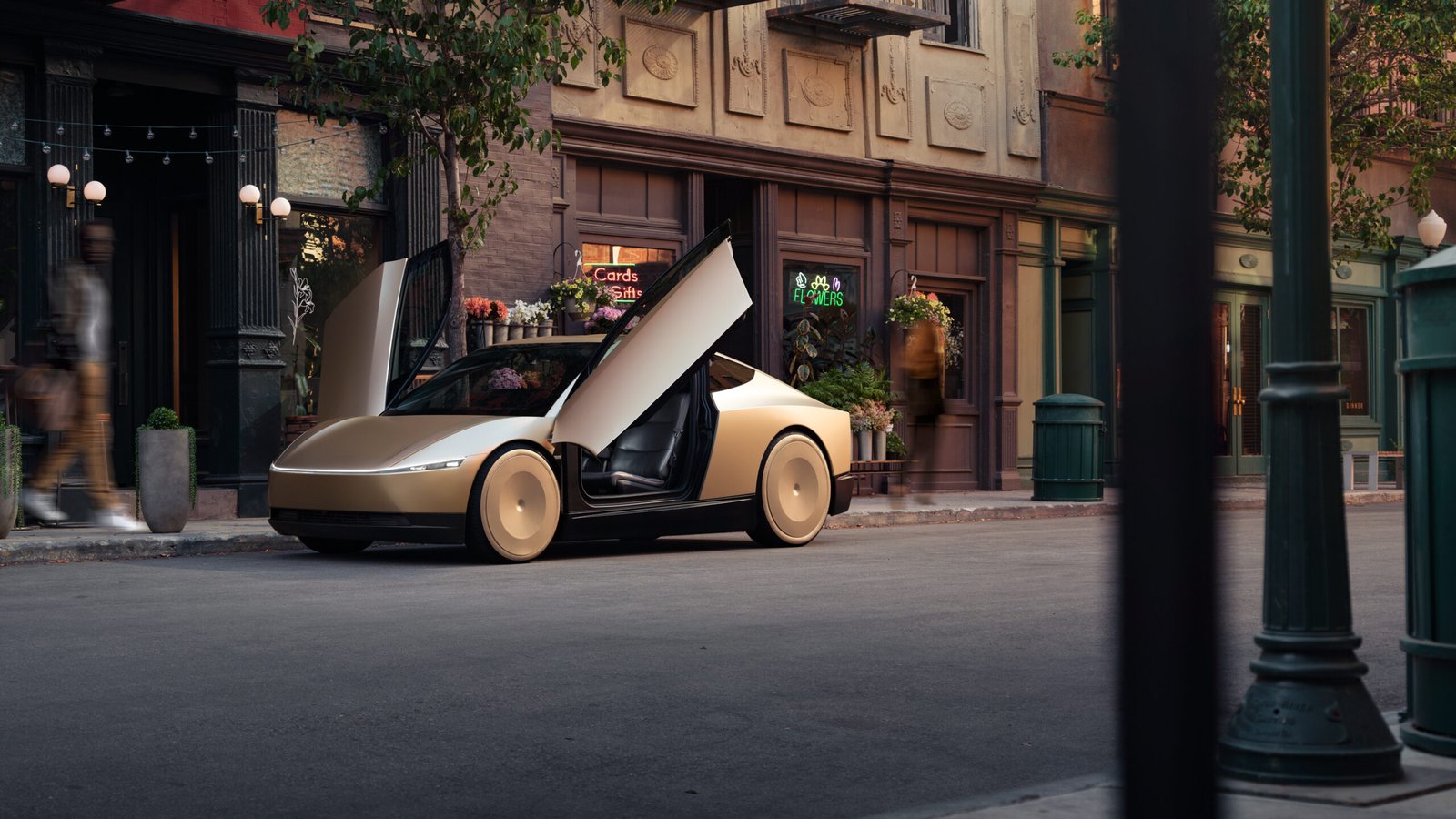
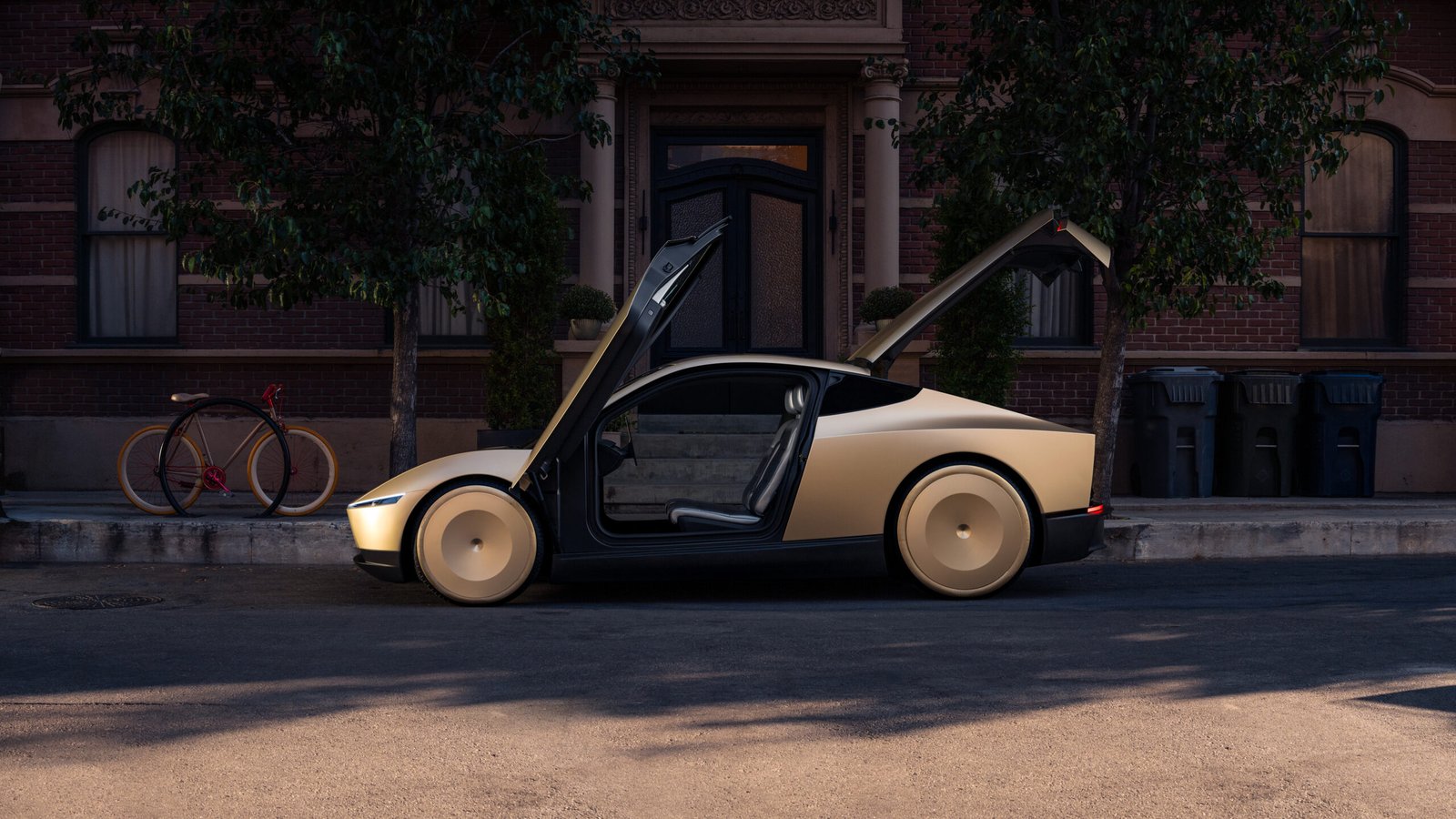
The Cybercab features a minimalist, futuristic aesthetic, complete with butterfly-wing doors and a compact cabin limited to two passengers. Breaking from traditional EV architecture, the vehicle lacks a charging port entirely; instead, Musk confirmed it will utilize inductive, wireless charging. This design choice underscores Tesla’s commitment to a fully autonomous future, though the absence of manual controls means the vehicle faces significant regulatory hurdles before it can enter mass production.
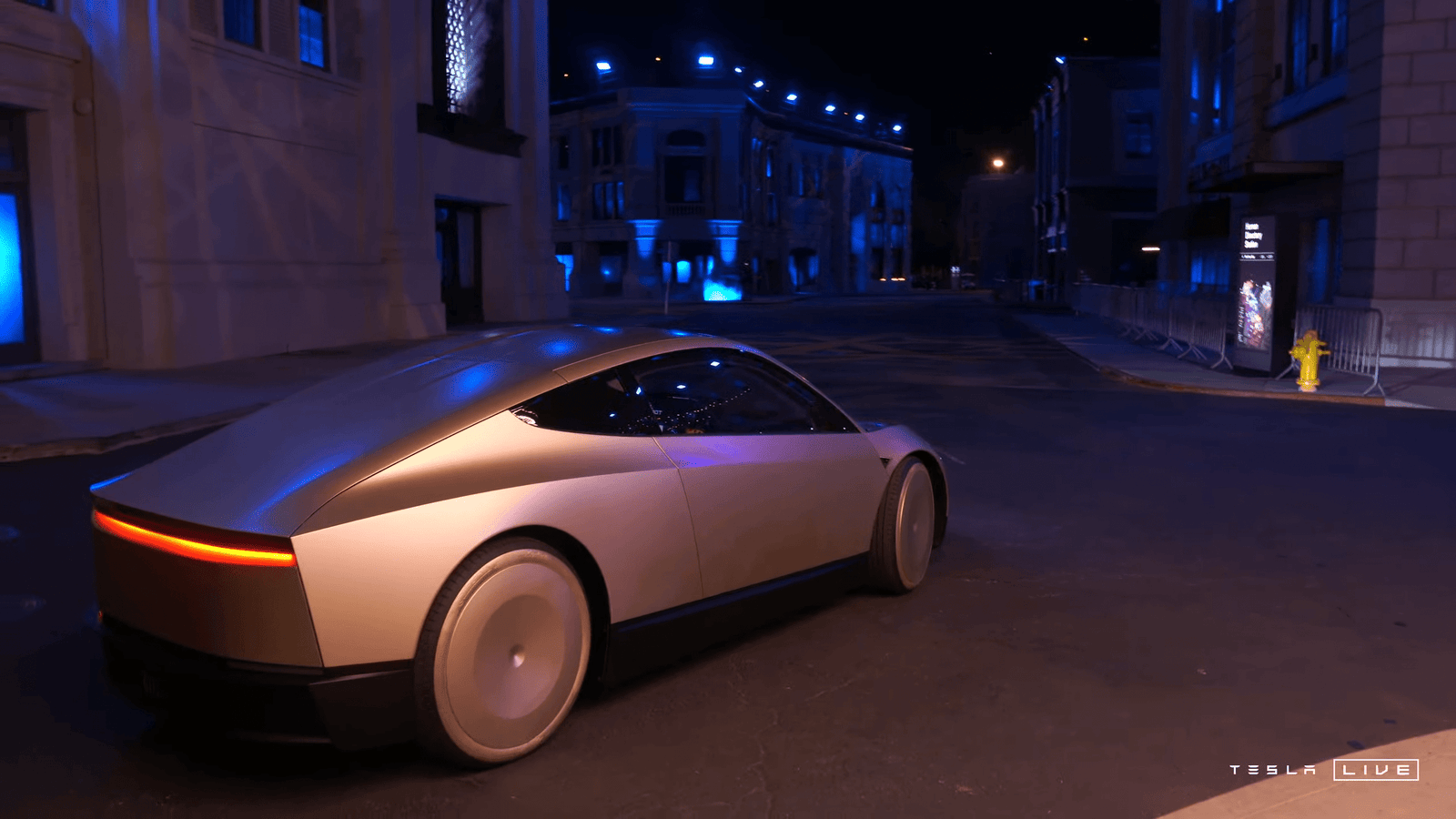
Musk touted the safety and economic potential of the technology, suggesting that autonomous vehicles could eventually be 10–20 times safer than human-operated cars. He estimated that operating costs could drop to as low as 20 cents per mile, significantly undercutting the $1 per mile cost associated with urban bus transit. During the presentation, he framed the innovation as a massive time-saver, allowing passengers to reclaim time previously lost to driving for work, entertainment, or relaxation.
Production Timelines and Strategic Shifts
Tesla plans to initiate fully autonomous driving operations in Texas and California by next year using existing models. As for the Cybercab itself, production is slated for 2026, though Musk noted it could potentially slip into 2027. Beyond the taxi, Tesla also showcased the Optimus robot, a general-purpose humanoid expected to be priced between $20,000 and $30,000.
Navigating Skepticism and Industry Competition
While Musk’s vision is ambitious, the company faces intense scrutiny from AV experts and federal regulators. Tesla’s approach to “Full Self-Driving” (FSD) has been a point of contention, especially following high-profile accidents and subsequent recalls of its driver-assist systems. The company currently trails competitors like Waymo and Cruise, which have already logged millions of miles of real-world, driverless testing.
Furthermore, Tesla must contend with legal challenges from families of drivers involved in fatal crashes linked to Autopilot, alongside shifting public perception of the brand due to Musk’s controversial leadership at X. Despite these headwinds, Musk remains defiant, betting that his ability to overcome previous production hurdles—such as those seen with the Model 3 and Cybertruck—will once again silence the critics and redefine the transportation industry.