

Nvidia officially unveiled DLSS 5 at its GTC conference this Monday, introducing a transformative approach that integrates real-time generative AI into video game rendering. By blending traditional hand-crafted graphics with generative AI, CEO Jensen Huang claims this technology marks a “GPT moment for graphics,” promising a dramatic leap in visual realism. However, the update is already sparking intense debate, with critics labeling the aesthetic shifts as “AI slop” that risks undermining original artistic intent.
From Upscaling to Generative Reworking
Unlike previous iterations of DLSS, which utilized machine learning primarily to bridge the gap between performance and visual quality, DLSS 5 actively reworks lighting and materials. The technology analyzes a single frame to understand scene semantics, including hair, fabric, translucent skin, and complex environmental lighting. By doing so, it generates new details that feel additive rather than merely reconstructed.
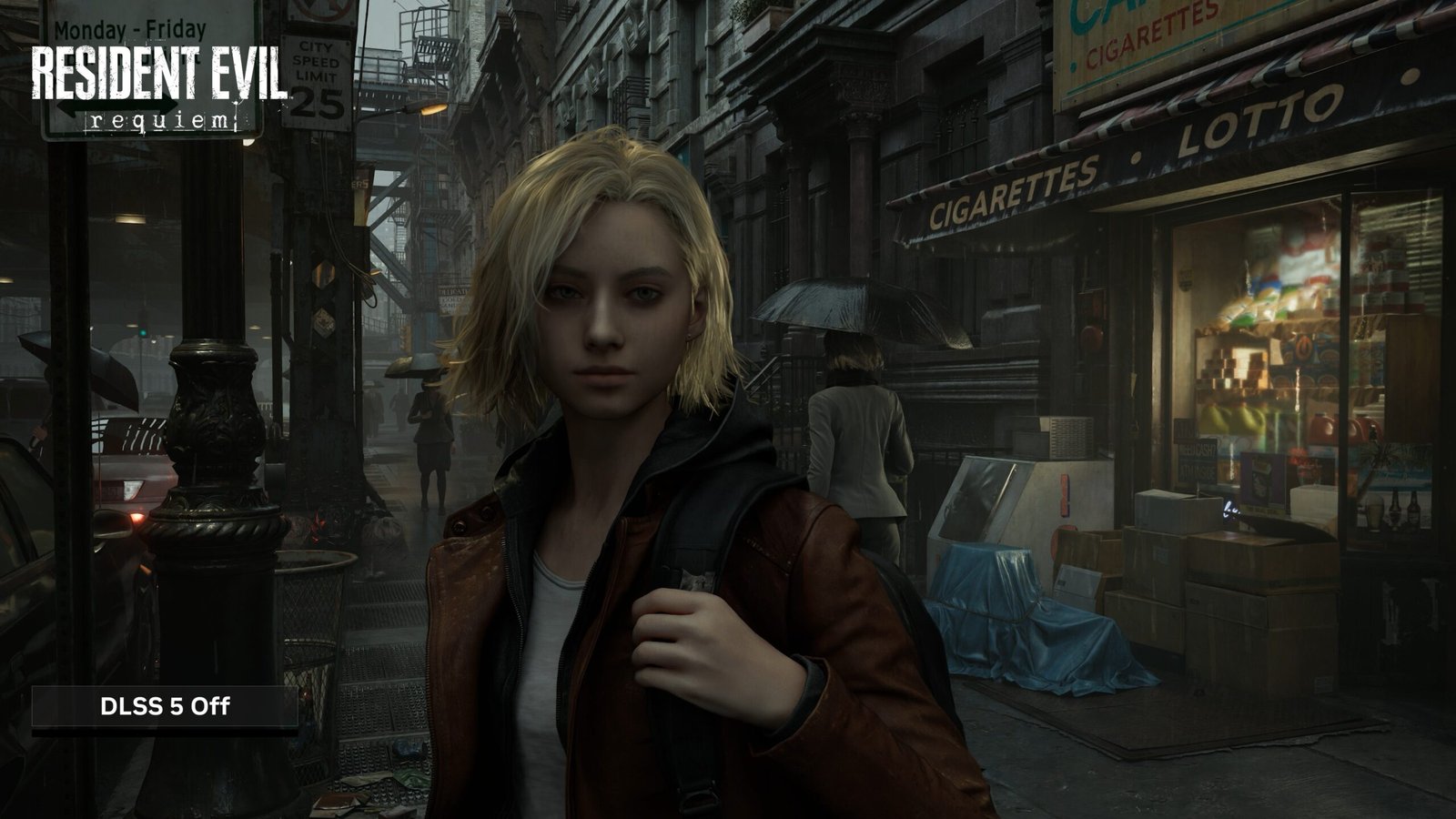
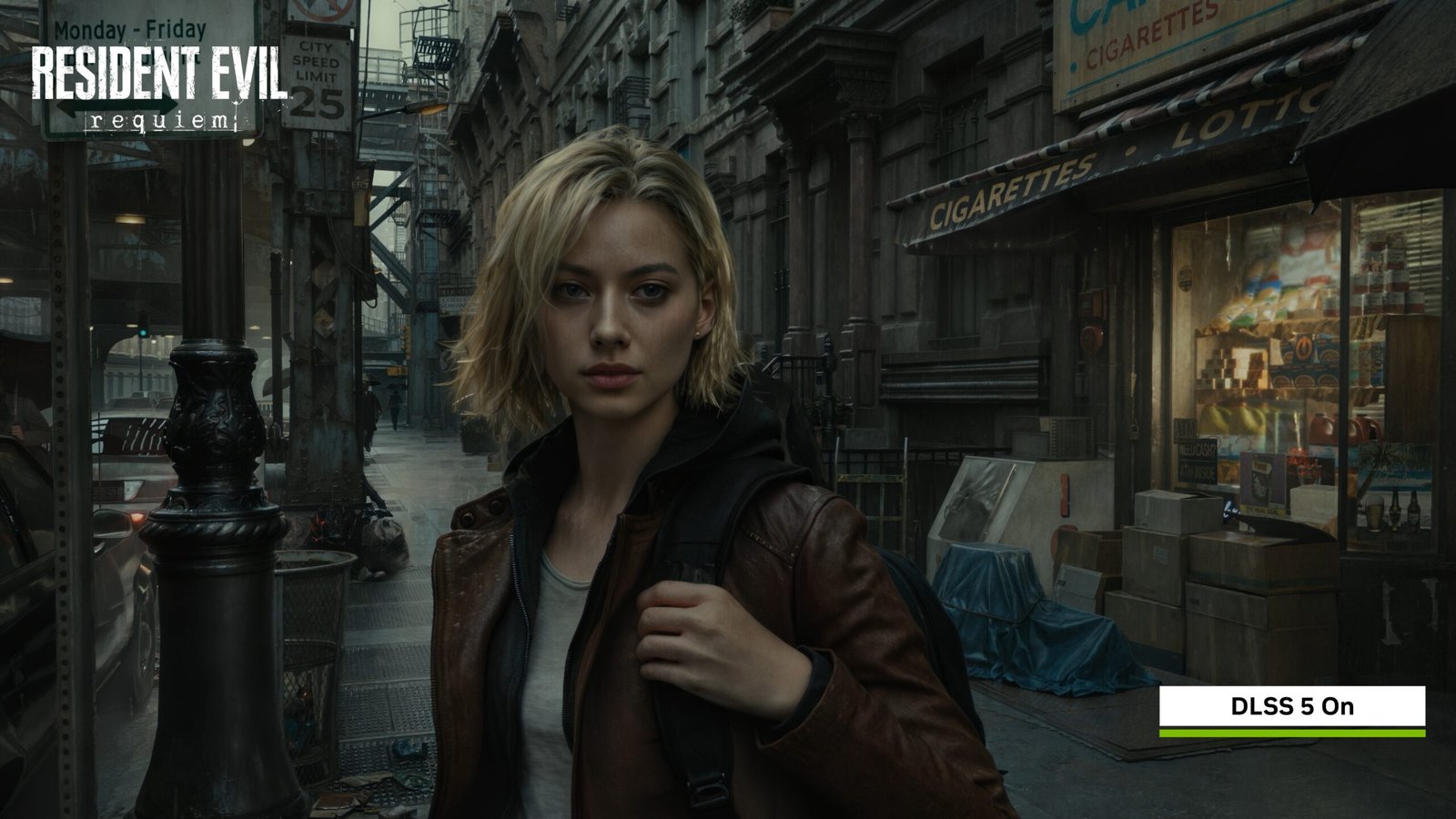
Left: Grace Ashcroft / Right: Grok Ashcroft
The “Uncanny Valley” Controversy
Early demonstrations using titles such as Resident Evil Requiem, Starfield, Hogwarts Legacy, and EA Sports FC have drawn mixed reactions. In Requiem, the AI’s intervention noticeably alters character models, with protagonist Grace Ashcroft appearing to wear an aggressive beauty filter that modifies facial features. Similarly, in Starfield, the technology creates an intense, stage-lit effect that often clashes with the game’s existing environmental lighting.
Despite the criticism, industry figures like Bethesda’s Todd Howard have praised the tech, stating, “When NVIDIA showed us DLSS 5 and we got it running in Starfield, it was amazing how it brought it to life.”
Developer Control and Artistic Intent
Not all developers are convinced. Game designer Mike Bithell voiced strong disapproval, describing the technology as a way to remove “art direction” from the gaming experience. In response to these concerns, Nvidia emphasizes that DLSS 5 is not an automated filter without oversight. The company provides developers with granular controls to manage intensity, color grading, contrast, and saturation.
Furthermore, developers have the ability to mask specific objects or areas, excluding them from AI enhancement to preserve the game’s original aesthetic. Nvidia insists that by anchoring the output to the source 3D content’s color and motion vectors, the system respects the foundational work of game artists.
Availability
DLSS 5 is scheduled for release this fall. It will initially support a curated list of titles, including the The Elder Scrolls VI: Oblivion remake and Assassin’s Creed Shadows, alongside the games showcased at GTC. Whether this technology becomes a standard for photorealism or remains a polarizing feature depends heavily on how developers utilize these new creative controls.