
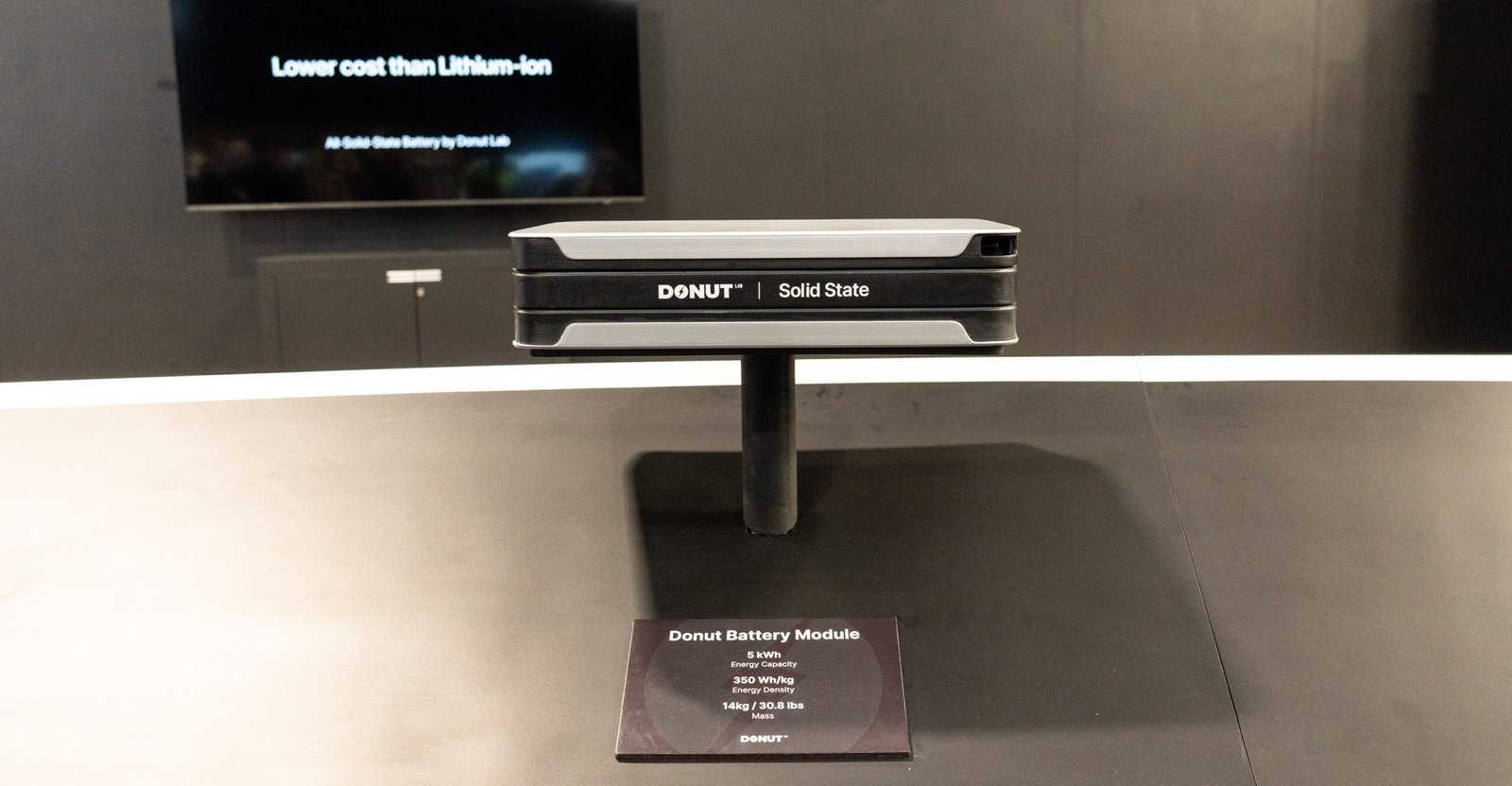
At CES 2026 in Las Vegas, EV startup Donut Lab, led by CEO Marko Lehtimaki, has made the bold claim that its solid-state batteries are not just a prototype, but are currently in active production. Unlike the cycle of empty promises that has plagued the industry for years, Lehtimaki asserts that this technology is ready for the road today, marking a potential turning point for electric vehicle performance and sustainability.
The Promise of Solid-State Technology
The industry has long chased the dream of the solid-state battery: a power cell that is lighter, faster to charge, highly energy-dense, and inherently safer than current liquid-electrolyte lithium-ion batteries. By replacing the liquid electrolyte with a solid material, manufacturers can eliminate traditional wear-and-tear issues, drastically improving the lifespan and durability of the battery.
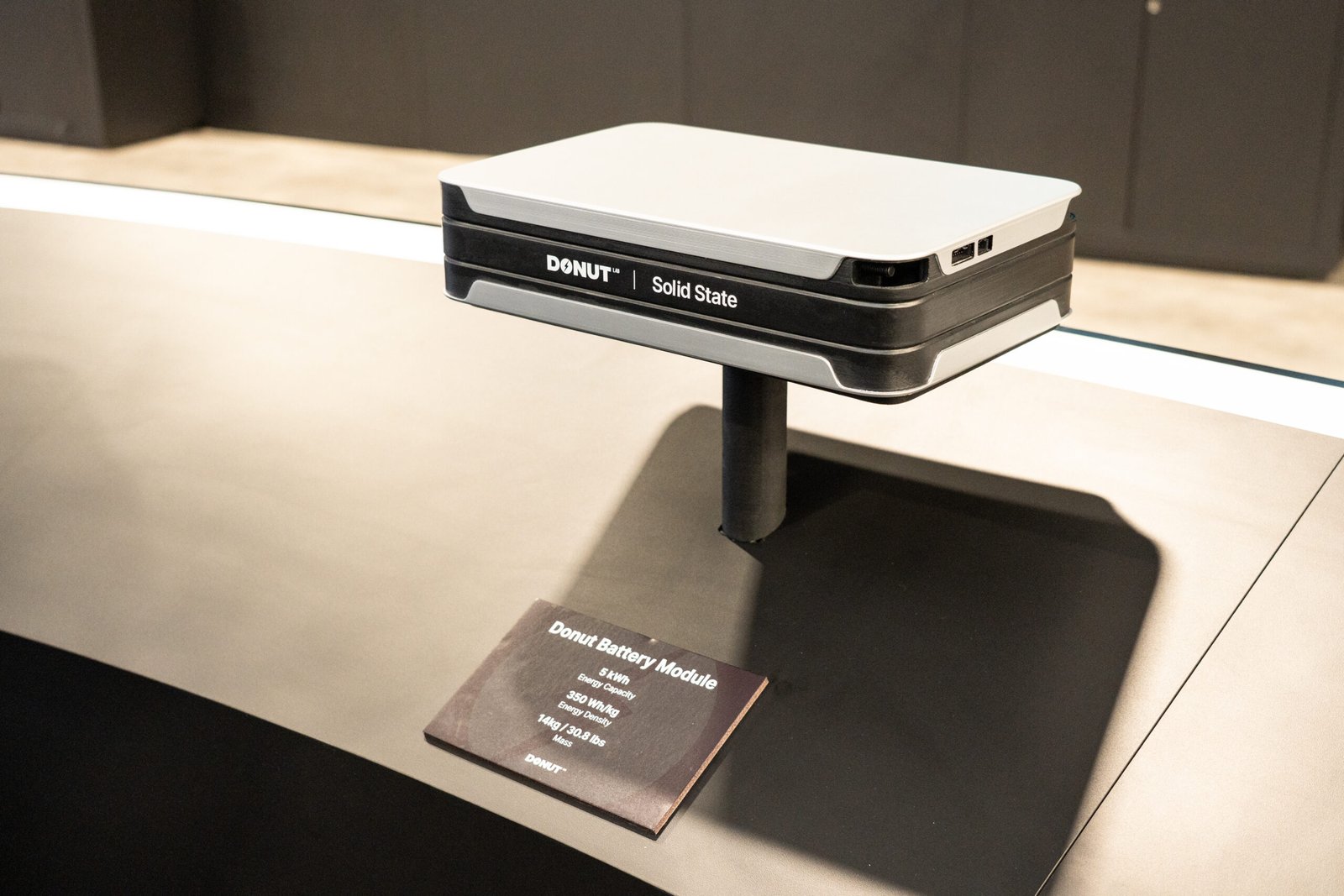
Donut Lab claims its cells offer an energy density of 400 Wh/kg—roughly 30 percent higher than modern lithium-ion packs. This leap in efficiency could translate directly into significantly longer ranges for electric vehicles without adding extra weight. Even more compelling, Lehtimaki claims that manufacturing costs are lower than current standards and are continuing to decrease as production scales.
Performance and Longevity
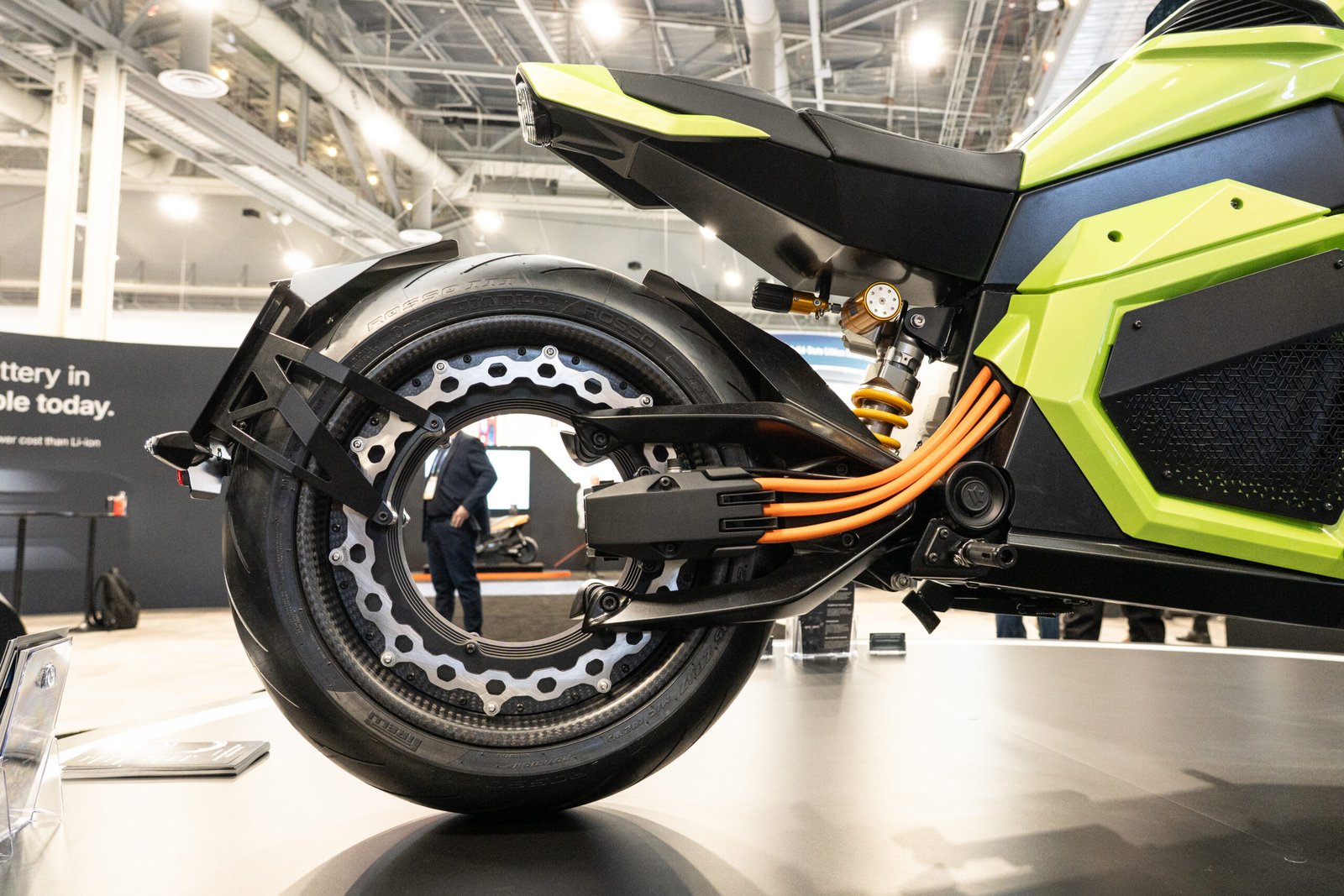
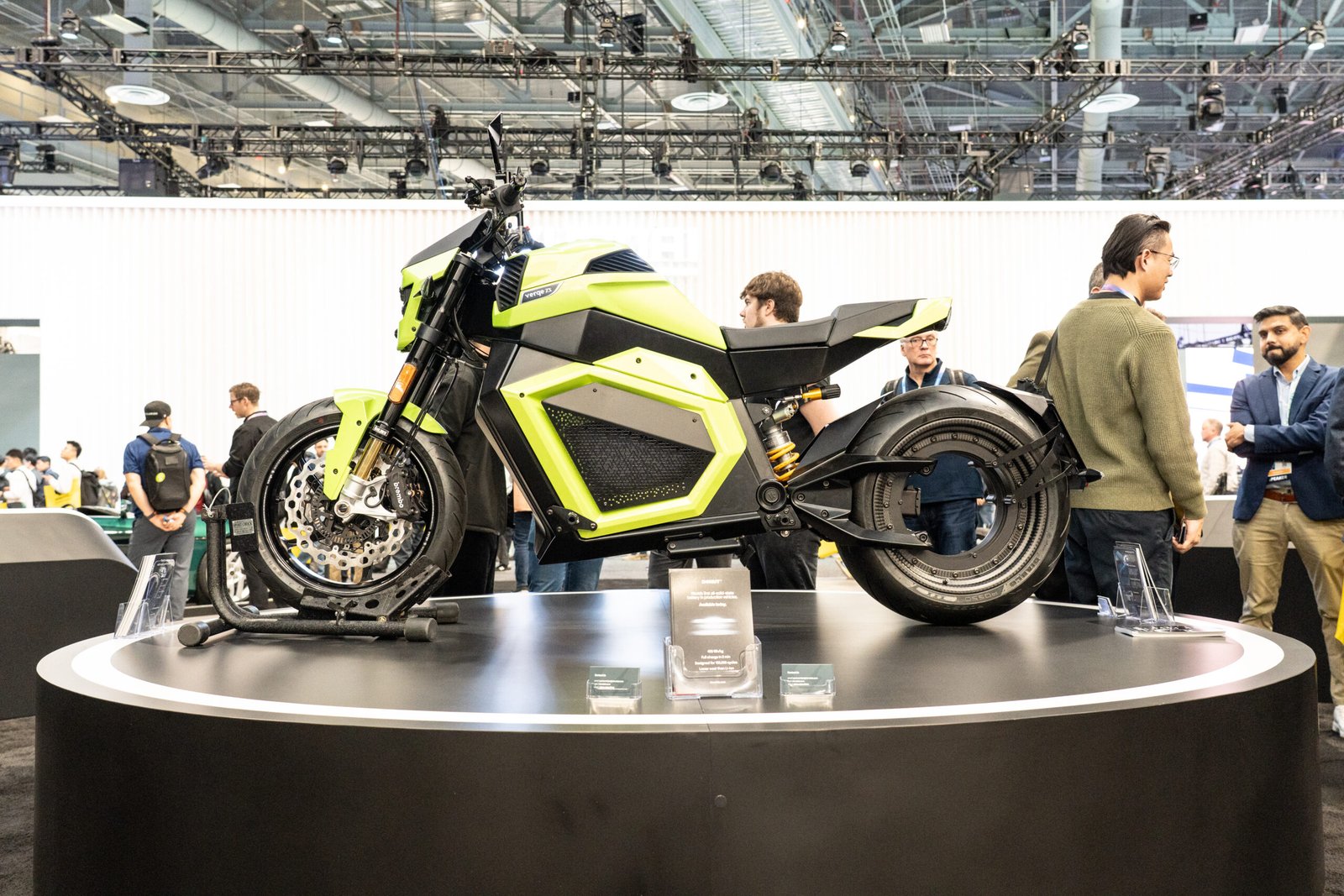
The performance metrics provided by Donut Lab are staggering. While the Verge TS Pro motorcycle—the first vehicle to utilize these cells—currently charges in 10 minutes, the technology is theoretically capable of a full charge in just five minutes. Perhaps most impressively, the company projects a lifespan of up to 100,000 charge cycles.
Even if the more conservative estimate of 10,000 cycles holds true, it remains a massive improvement over the 1,500-cycle lifespan typical of today’s EV batteries. Lehtimaki suggests that this longevity means the battery could easily outlast the vehicle itself, retaining significant residual value for secondary uses like home energy storage.
Thermal Stability and Real-World Application
Another major advantage of the Donut Battery is its thermal stability. The cells maintain nearly full capacity even in extreme cold, reaching down to -22 degrees Fahrenheit. Neil Yates, CEO of Watt Electric Vehicle Company, notes that this resilience eliminates the need for complex, active cooling systems, which further reduces vehicle weight and design complexity.
Currently, these cells are being produced in Finland with a capacity of one gigawatt-hour. However, Lehtimaki indicates that Donut Lab is prepared to establish manufacturing facilities in the United States if domestic demand from automakers grows. Crucially, the chemistry avoids conflict materials, bypassing many of the regulatory and supply chain hurdles that often complicate battery production.
Solving the Dendrite Dilemma
A persistent challenge in solid-state development is the “dendrite” issue—microscopic formations that can bridge the anode and cathode, causing short circuits or fires. While Lehtimaki remains tight-lipped on the specific technical solution, he attributes their progress to an agile, small-team approach, stating that a lean group of 20 engineers can innovate significantly faster than a massive corporate department.
Transparency and Future Outlook
While skeptics may draw parallels to past failed solid-state “revolutions,” the primary difference here is the immediate availability of the product. Lehtimaki clarifies that the technology was developed in-house by Donut Lab and Verge Motorcycles engineers since 2018, independent of other Finnish startups. With patents pending and more detailed data expected to be released in the coming months, the industry won’t have to wait long to see if Donut Lab has finally cracked the code or if this is another high-tech mirage.