
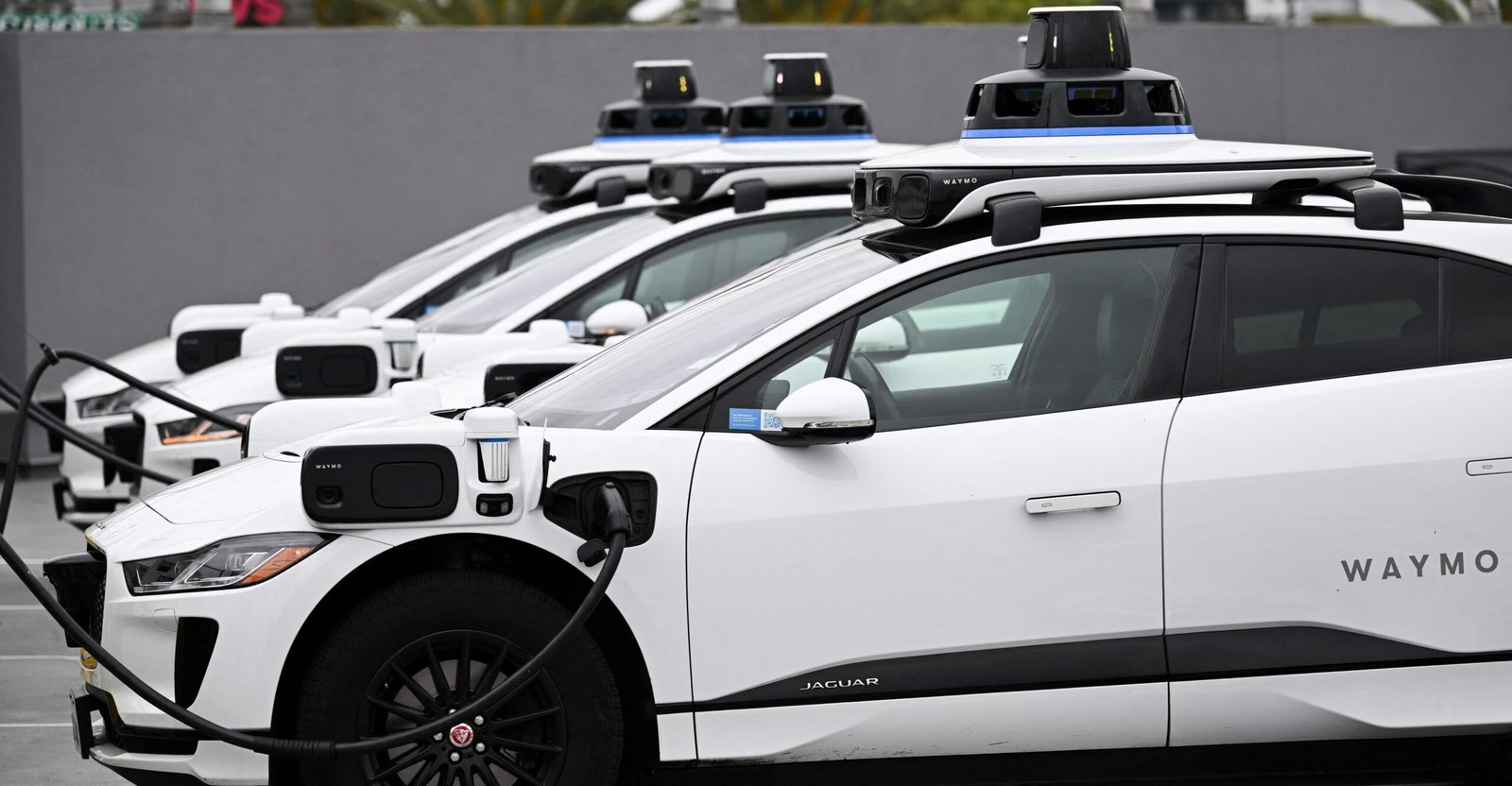
Waymo is launching its first international autonomous vehicle testing program in Tokyo, Japan, next week, marking a major expansion for the Alphabet-owned company. While the firm has not yet committed to a commercial robotaxi launch in the region, it is framing the deployment as a critical milestone for its global data collection efforts.
Data Gathering in Complex Urban Environments
The initiative is being characterized as a “road trip” designed to capture the unique nuances of Japanese driving, specifically focusing on left-hand traffic and dense urban navigation. Approximately 25 vehicles have been deployed, with early sightings already recorded in a Tokyo parking lot. These cars will be manually operated during the initial phase to map local infrastructure and traffic patterns, with the operation supported by local taxi fleet partner, Nihon Kotsu.
Navigating the Challenges of Tokyo Streets
Engineers face a complex environment in the Japanese capital, which is defined by tight, winding roads and high volumes of pedestrians and cyclists who interact fluidly with motorized traffic. Trained drivers from Nihon Kotsu will manually pilot the vehicles across seven central wards, including Minato, Shinjuku, Shibuya, Chiyoda, Chūō, Shinagawa, and Kōtō, to ensure comprehensive data acquisition.
Strategic Groundwork and Local Partnerships
Preparation for this deployment has been extensive. Waymo has been actively training drivers and fleet managers associated with GO, a prominent Japanese taxi application. Furthermore, the company has engaged in ongoing coordination with local government agencies, municipal officials, and first responders to ensure the tests align with local safety protocols.
“In Tokyo, we are abiding by the same steadfast principles that guide us in the U.S. — commitment to safety, dedication to earning trust in communities where we operate, and collaboration with local officials and community groups here in Tokyo,” stated Nicole Gavel, head of business development and strategic partnerships at Waymo.
The Global Robotaxi Landscape
This international move comes as Waymo continues to scale its domestic footprint. The company currently maintains commercial robotaxi services in San Francisco, Los Angeles, Phoenix, and Austin, with upcoming expansion plans for Atlanta, Miami, Washington, DC, and Silicon Valley, alongside ongoing road tests in San Diego and Las Vegas.
The move into Japan also places Waymo in a competitive landscape with regional players. China’s Apollo Go is rapidly increasing its autonomous operations, reporting 1.1 million paid driverless rides in the fourth quarter of 2024 and maintaining a volume of approximately 200,000 paid trips per week as it prepares to enter the Hong Kong market.