
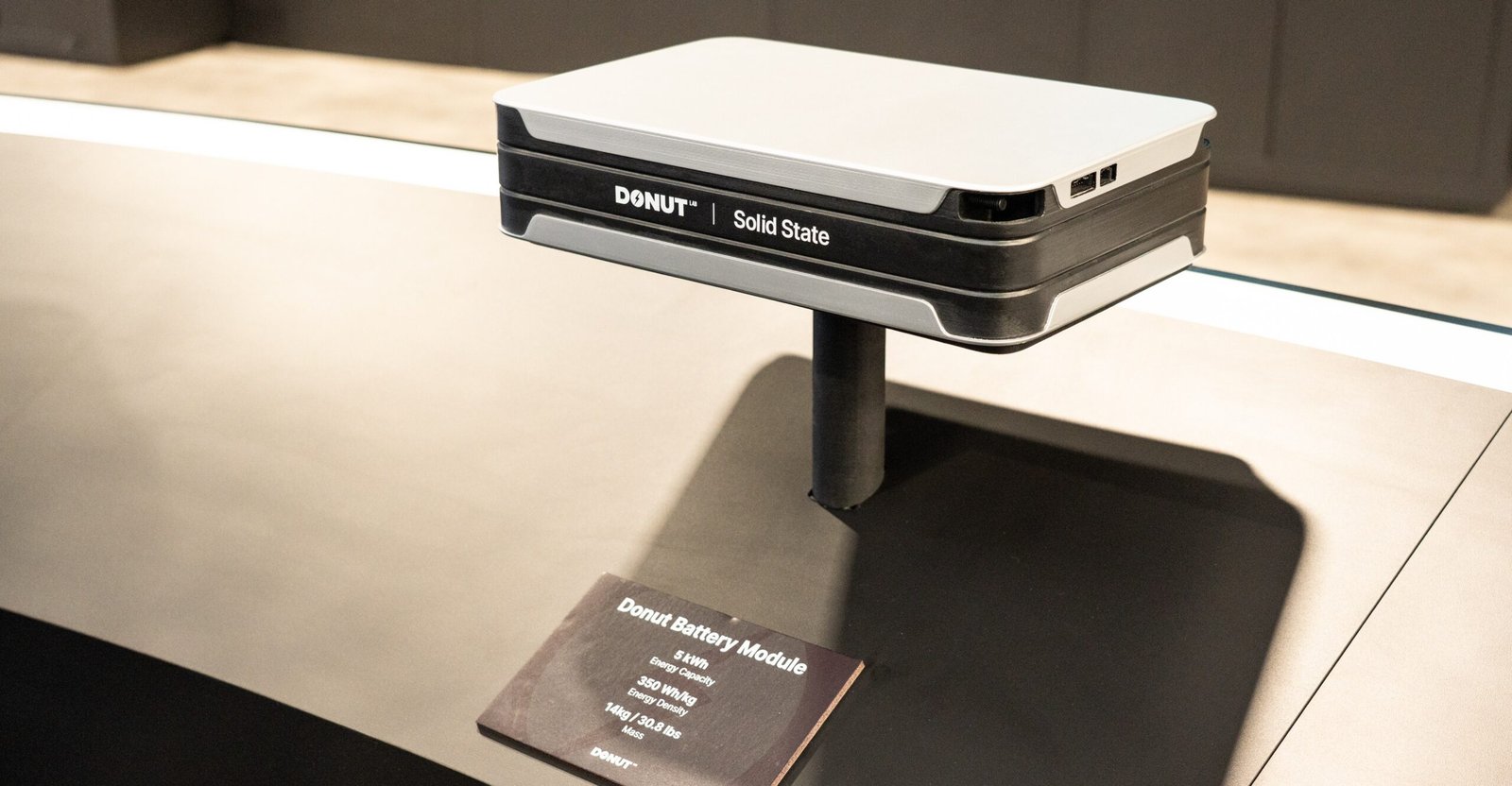
Finnish startup Donut Lab has officially validated its solid-state battery technology, reporting record-breaking charging speeds in an independent evaluation conducted by the VTT Technical Research Centre of Finland. The tests confirmed the battery can reach an 80 percent charge in as little as 4.5 minutes while maintaining 99 percent capacity, directly challenging the limitations of current lithium-ion power cells.
Independent Testing Validates Rapid Charging
The VTT report marks a pivotal moment for the startup, which has faced significant industry skepticism since announcing its breakthrough earlier this year. During the performance trials, the battery demonstrated remarkable resilience: it charged from 0 to 80 percent in approximately 9.5 minutes while retaining full capacity, and achieved the same 80 percent threshold in just 4.5 minutes with 99 percent capacity retention. These results suggest a potential paradigm shift for electric vehicles, where charging times could drop from 40-minute sessions to a five-minute stop, mirroring the experience of refueling a combustion engine.
The “Holy Grail” of Battery Tech
Solid-state batteries have long been considered the “holy grail” of energy storage. Unlike traditional “wet” lithium-ion batteries—which rely on liquid electrolytes that are prone to freezing, slow to charge, and flammable in crash scenarios—Donut Lab’s design utilizes a “dry” conductive material. This composition aims to eliminate the thermal runaway risks inherent in current EV battery packs while offering higher energy density.
Passive Cooling and Performance Metrics
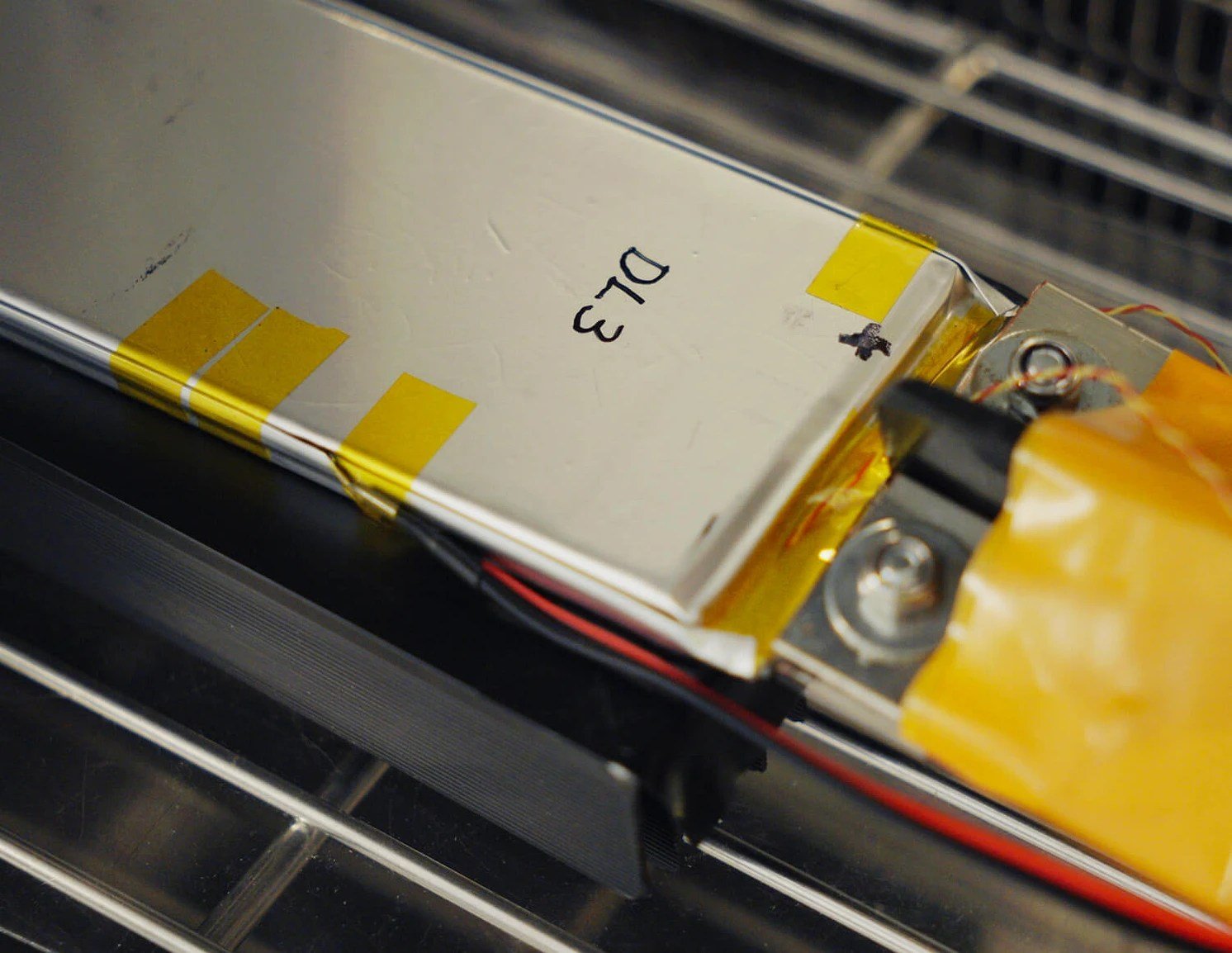
In a move to prove the battery’s safety and efficiency, VTT researchers stripped away the active liquid cooling systems typically found in vehicles from manufacturers like Tesla or Hyundai. Instead, they utilized passive aluminum cooling plates to monitor thermal behavior. Even under these conditions, the battery performed at high “C-rates”—a measure of charge speed relative to capacity. While traditional batteries usually manage 1C to 3C with active cooling, the Donut Lab cell successfully handled 5C and 11C charging rates.
The testing process was not without minor operational challenges. During one trial using a single cooling plate, the cell reached a 90 °C safety limit, triggering an automatic shutdown. Researchers identified that the issue stemmed from insufficient physical contact with the cooling surface; once the battery was properly secured, thermal management significantly improved.
Simplifying Battery Architecture
Ville Piippo, CTO of Donut Lab, emphasized that their technology avoids the high-pressure requirements and significant volume expansion (often 15-20%) seen in other solid-state designs. “This greatly simplifies the structure of battery packs and enables solutions that are cost-efficient, powerful, and better than traditional lithium-ion batteries in terms of energy and power density,” Piippo stated.
The company claims its technology delivers 400 watt-hours per kilogram, significantly outperforming the 200–300 Wh/kg average of current lithium-ion cells. Furthermore, Donut Lab projects a lifespan of 100,000 cycles, dwarfing the 1,500 to 3,000-cycle limit typical of today’s market-standard batteries.
Remaining Hurdles to Overcome
Despite these promising results, the VTT report leaves critical questions unanswered. The evaluation did not independently verify the specific chemical composition of the pack, nor did it address the “dendrite issue”—the growth of microscopic structures that can lead to electrical shorts in solid-state electrolytes. Donut Lab has signaled that it intends to address these concerns in future independent tests as part of its ongoing disclosure initiative.