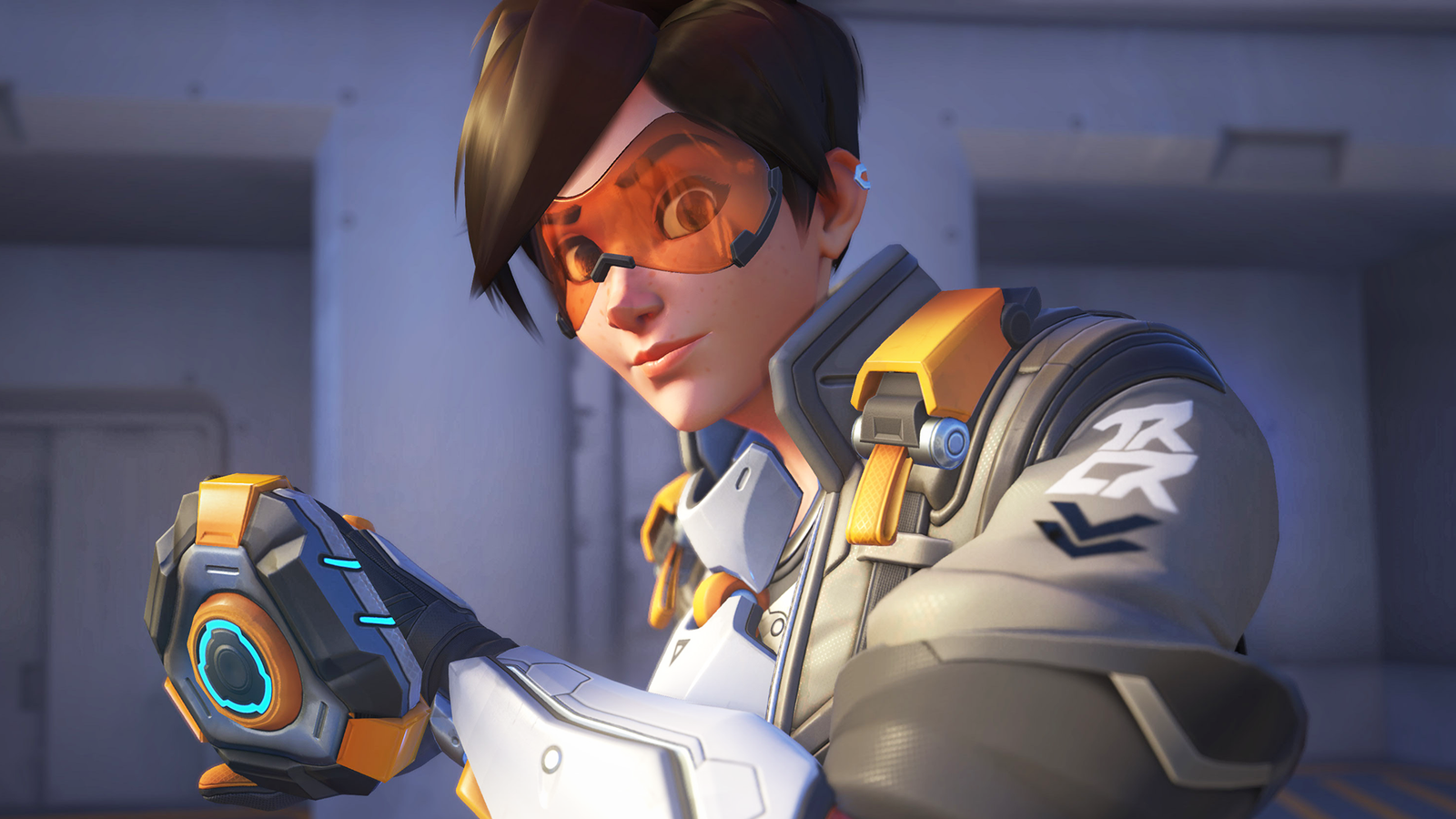
Overwatch game director Aaron Keller admitted at this year’s Game Developers Conference that the team’s decision to ignore the 5v5 versus 6v6 debate for over a year significantly damaged community trust. The shift from the original game’s 6v6 format to a 5v5 structure in Overwatch 2 remains the most contentious change in the franchise’s history.
The Cost of Silence
Following the 2022 launch of Overwatch 2, players fiercely debated the removal of one tank role per team, which forced drastic reworks for heroes like Orisa. Despite continuous community outcry on platforms like Reddit and Twitter, Blizzard did not formally address the feedback until July 2024. Keller acknowledged that the team’s hope that the conversation would simply “settle on its own” was a miscalculation.
“We waited at least a year before we meaningfully addressed the 5v5 versus 6v6 debate,” Keller stated during his GDC presentation. “We should have listened sooner.”
Data vs. Player Sentiment
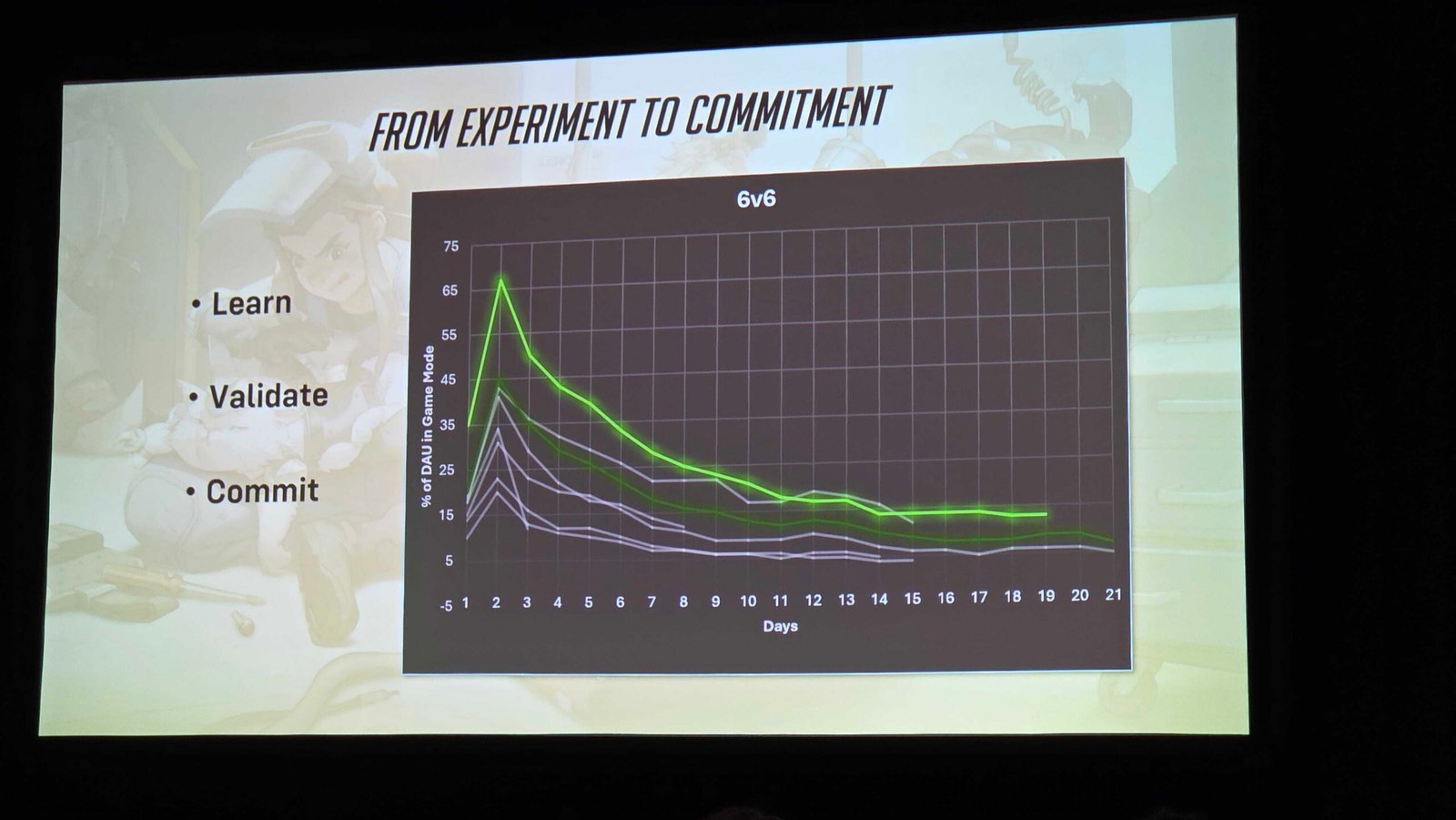
After Blizzard finally introduced limited-time 6v6 modes to gauge interest, the data revealed a complex reality. While 6v6 remains the second most popular mode in the game, Keller noted that player engagement still sees a sharp drop-off shortly after launch, similar to other modes. This has left the development team in a difficult position regarding the long-term health of the game.
“We’re still not really sure what to do with this data right now, and we’re not really sure having multiple main identities for our game is the healthiest thing for the long-term game,” he added.
A New Era of Communication
Reflecting on the evolution of the title, Keller explained that the team realized Overwatch required more “intentional novelty” and rapid, consistent communication to satisfy its player base. Moving forward, the studio plans to prioritize experimental modes and faster feedback loops, a strategy already reflected in the recent launch of five heroes simultaneously.
Concluding his talk, Keller emphasized that the team is now better equipped to address the persistent demand for 6v6. He reflected on the lesson learned, stating, “Overwatch didn’t need to be reinvented. The core game needed to be understood, protected, and allowed to evolve. What ultimately changed things for us wasn’t a single feature or a system, it was a shift in how we listened, how we acted, and how we consistently showed up.”