

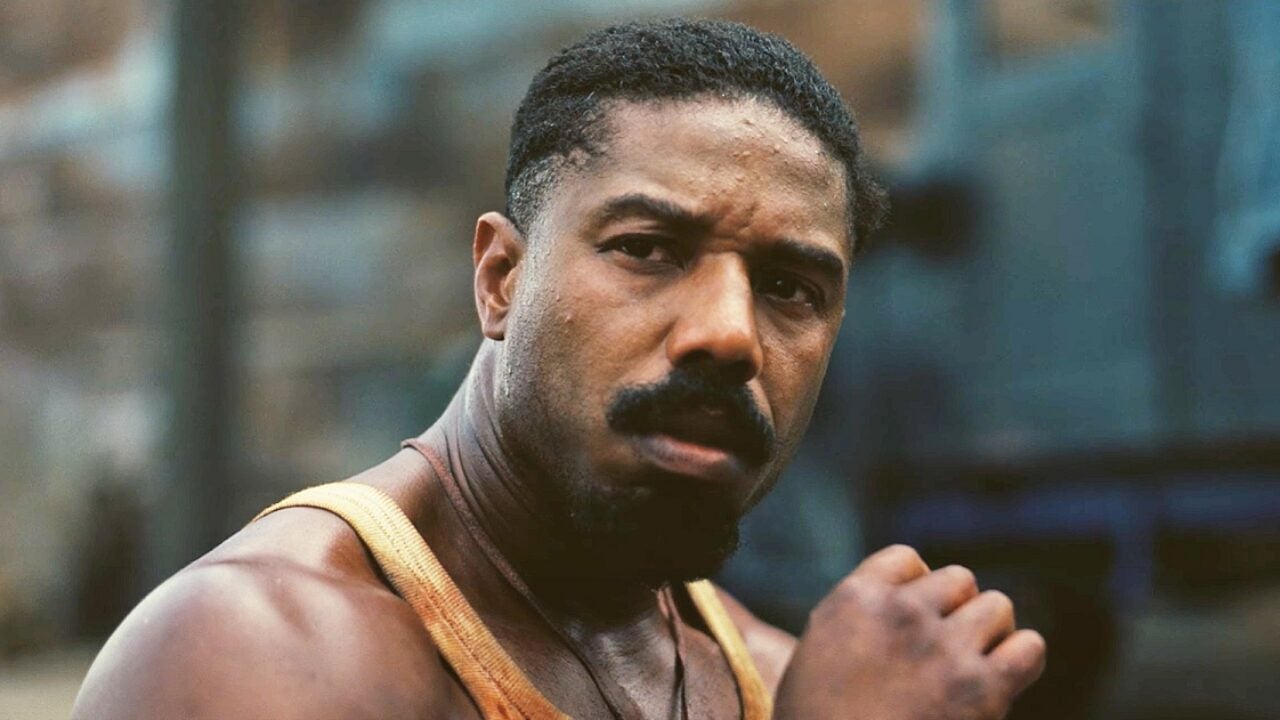
Ryan Coogler’s Sinners is far more than a standard creature feature; it is a profound cinematic masterpiece that transcends the horror genre. Starring Michael B. Jordan as twin brothers Elijah “Smoke” and Elias “Stack,” the film follows their journey from the trenches of World War I and the streets of Al Capone’s Chicago back to rural Mississippi. When they attempt to open a juke joint, their homecoming is violently interrupted by an otherworldly vampire threat.
If you haven’t experienced this film on the largest screen possible, do so immediately—and prepare for a standout, Oscar-worthy performance by Delroy Lindo. For those who have watched, there are layers of symbolism beneath the surface that demand a second look. Warning: Major spoilers follow.
The Resonance of Black Music
The character Sammie, played by Miles Canton, carries a guitar once owned by Delta blues pioneer Charley Patton. Coogler uses this instrument to bridge generations of Black expression. In a pivotal mid-film sequence, the narrative visually weaves together 1930s dance halls, African traditional dress, modern DJ culture, and the psychedelic funk of George Clinton. This sequence asserts that Black music is both a source of communal healing and a beacon that draws in predatory forces.
Whiteness as the Ultimate Predator
The vampires in Sinners are not mere monsters; they are allegories for colonialist exploitation. Their obsession with Sammie—the keeper of the music—mirrors a historical pattern of cultural appropriation. Remmick, the vampire leader, demands Sammie as a condition for sparing the club, exposing the film’s core thesis: the true horror is the insatiable hunger of whiteness to possess and control Black culture.
The Echoes of Historical Trauma
The location of the brothers’ juke joint is far from neutral ground. It is revealed that the building was once a killing floor where white supremacists murdered countless Black individuals. The bloodstains discovered by the brothers early in the film serve as a grim prologue to the violence the vampires eventually bring. The site is doubly cursed, stained by both human hatred and supernatural carnage.
The Weight of Physical Scars
Sammie’s character arc is defined by the scars he carries from the film’s opening. These marks are more than just physical injuries; they are visceral manifestations of the trauma he has witnessed. They link his personal history to the blood-soaked floor of the sawmill, serving as a permanent reminder of the violence that lurks in the shadows of the American South.
Faith, Music, and Redemption
Framed by the opening and closing scenes at the local church, Sinners explores the tension between religious dogma and artistic freedom. Sammie’s father labels him a “sinner” for playing the blues, positioning the church as both a sanctuary and a cage. Through this conflict, Coogler suggests a deep respect for the institution of the church while simultaneously arguing that Black music should never be constrained by its walls.
Ultimately, Sinners stands as Ryan Coogler’s most ambitious work to date. By stripping away the genre tropes, it becomes clear that the vampires are merely a catalyst—the real evil haunting the narrative is the persistent, predatory nature of whiteness.