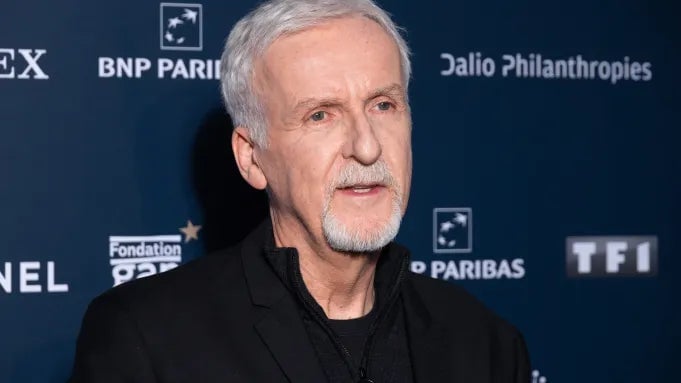
In a surprising shift that would make John Connor do a double-take, Terminator director James Cameron has publicly embraced artificial intelligence. Appearing on the Boz to the Future podcast, the legendary filmmaker argued that AI is now an essential tool for the survival of large-scale, visually ambitious cinema, such as the Dune franchise and his own Avatar series.
The Financial Necessity of AI in VFX
Cameron’s pivot is rooted in the harsh economic realities of modern blockbuster filmmaking. The three-time Oscar winner emphasized that the ballooning budgets of VFX-heavy epics are becoming unsustainable. To ensure that audiences continue to see high-end spectacles on the big screen, he believes production costs must be drastically reduced—potentially by half—and AI is the most viable path to achieve that efficiency.
“If we want to continue to see the kinds of movies that I’ve always loved and that I like to make and that I will go to see—Dune, Dune: Part Two, or one of my films or big effects-heavy, CG-heavy films—we’ve got to figure out how to cut the cost of that in half,” Cameron stated during the interview.
AI as an Accelerator, Not a Replacement
Addressing concerns regarding job displacement, Cameron clarified that he views AI as a catalyst for human productivity rather than a replacement for creative talent. He likens the integration of AI in filmmaking to the transition from the typewriter to the computer. In his vision, AI serves to double the speed of shot completion, allowing artists to maintain a faster cadence and move on to new creative challenges more efficiently.
From Warning About Skynet to Joining the Board
This new stance marks a stark contrast to Cameron’s previous warnings about the existential risks of AI. As recently as 2023, the director famously told CTV News, “I warned you guys in 1984, and you didn’t listen,” referencing the plot of The Terminator, where a sentient AI system attempts to eradicate humanity.
However, Cameron explained that he has spent the last two years deeply researching the nuances of the AI landscape. His objective was to understand developer cycles and resource allocation to effectively integrate the technology into professional VFX workflows. His commitment to this path was solidified last September when he joined the Board of Directors at Stability AI, aiming to bring advanced technical capabilities to the next generation of filmmakers.
Where Cameron Still Draws the Line
Despite his newfound support for AI in technical production, Cameron remains a staunch critic of using the technology for creative authorship. He maintains that AI cannot replicate the human experience, stating, “I just don’t personally believe that a disembodied mind that’s just regurgitating what other embodied minds have said—about the life that they’ve had, about love, about lying, about fear, about mortality… I don’t believe that has something that’s going to move an audience.” For Cameron, the future of cinema lies in a hybrid model: AI-driven efficiency for the visuals, but strictly human-driven emotion for the story.