
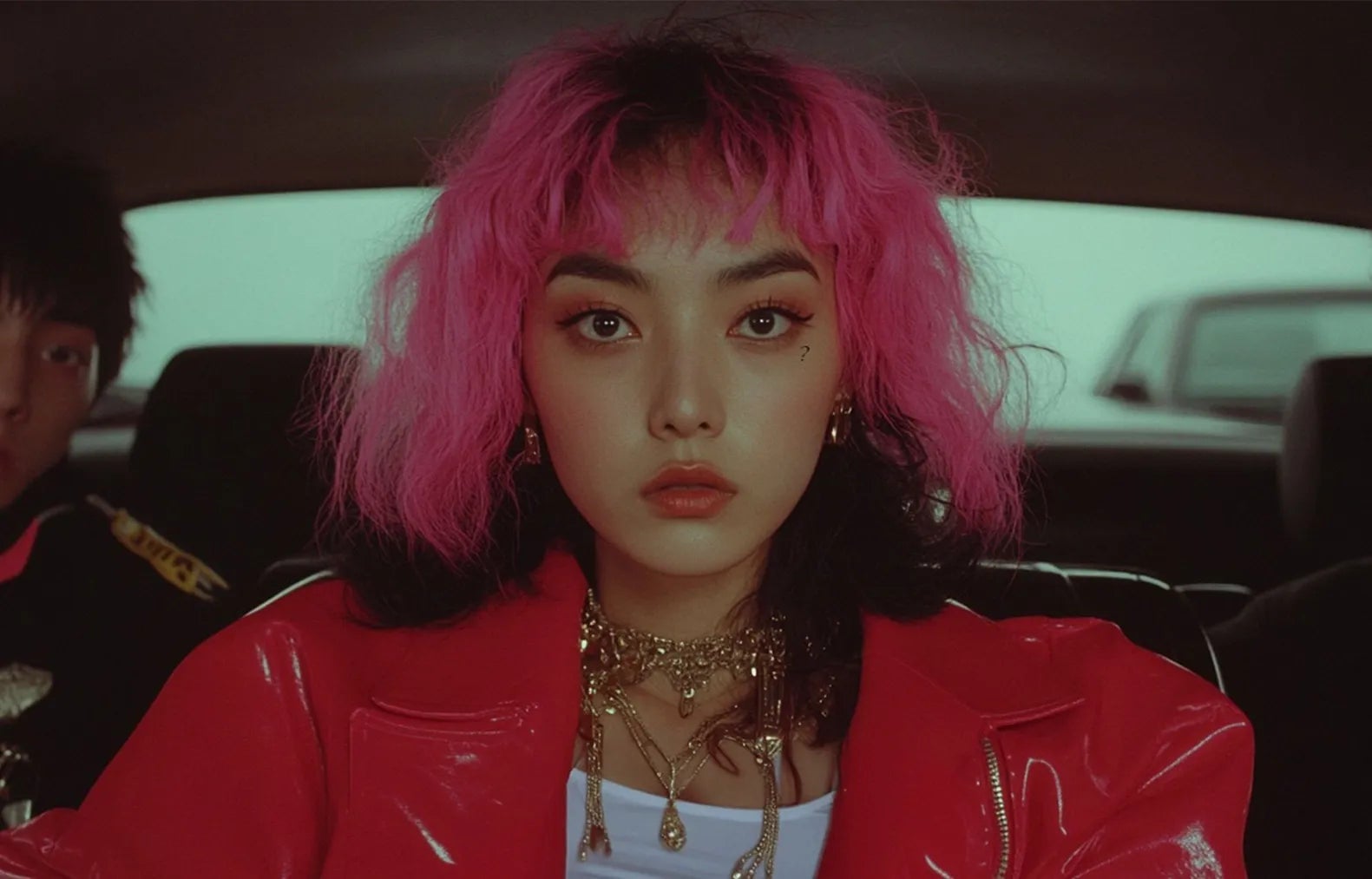
Grammy-winning producer Timbaland is officially entering the virtual arena by launching Stage Zero, an AI entertainment company that will debut “TaTa,” a fully AI-generated pop artist. The move marks a significant pivot for the legendary hitmaker as he seeks to pioneer a new musical category he calls “A-pop,” or artificial pop.
From Suno to Stage Zero: The Birth of A-Pop
Timbaland’s journey into algorithmic sound began in earnest last year when he started experimenting with Suno, a generative AI music platform where he now serves as creative director. The producer revealed that he became captivated by the vocal textures the software produced after uploading his own unfinished demos. “It came to a point where I’m like, ‘Yo, this voice, it’s amazing,’” Timbaland noted regarding the technology’s output.
Meet TaTa: The Future of Virtual Stardom
While an official release date for TaTa’s debut single remains under wraps, the Stage Zero team is focused on creating a hyper-realistic persona for the digital artist. The company has already unveiled a promotional image of the character—a young woman with distinctive pink hair—and plans to cultivate a robust social media presence to make her feel like a tangible member of the modern music landscape.
Addressing the AI Backlash
Rocky Mudaliar, film producer and co-founder of Stage Zero, acknowledges the current public skepticism surrounding artificial intelligence in the creative arts. However, he remains undeterred, arguing that AI is an inevitable evolution of the industry. Mudaliar compares the current resistance to the initial skepticism influencers faced before becoming a standard part of celebrity culture, asserting that the technology “is not going anywhere.”
Despite the company’s insistence that human creators will remain involved in the songwriting and production process for TaTa, the project raises ongoing questions about the role of human labor in the music industry. Timbaland has long been a trendsetter in music production, but his latest venture represents a provocative and controversial shift toward minimizing human presence in the spotlight.