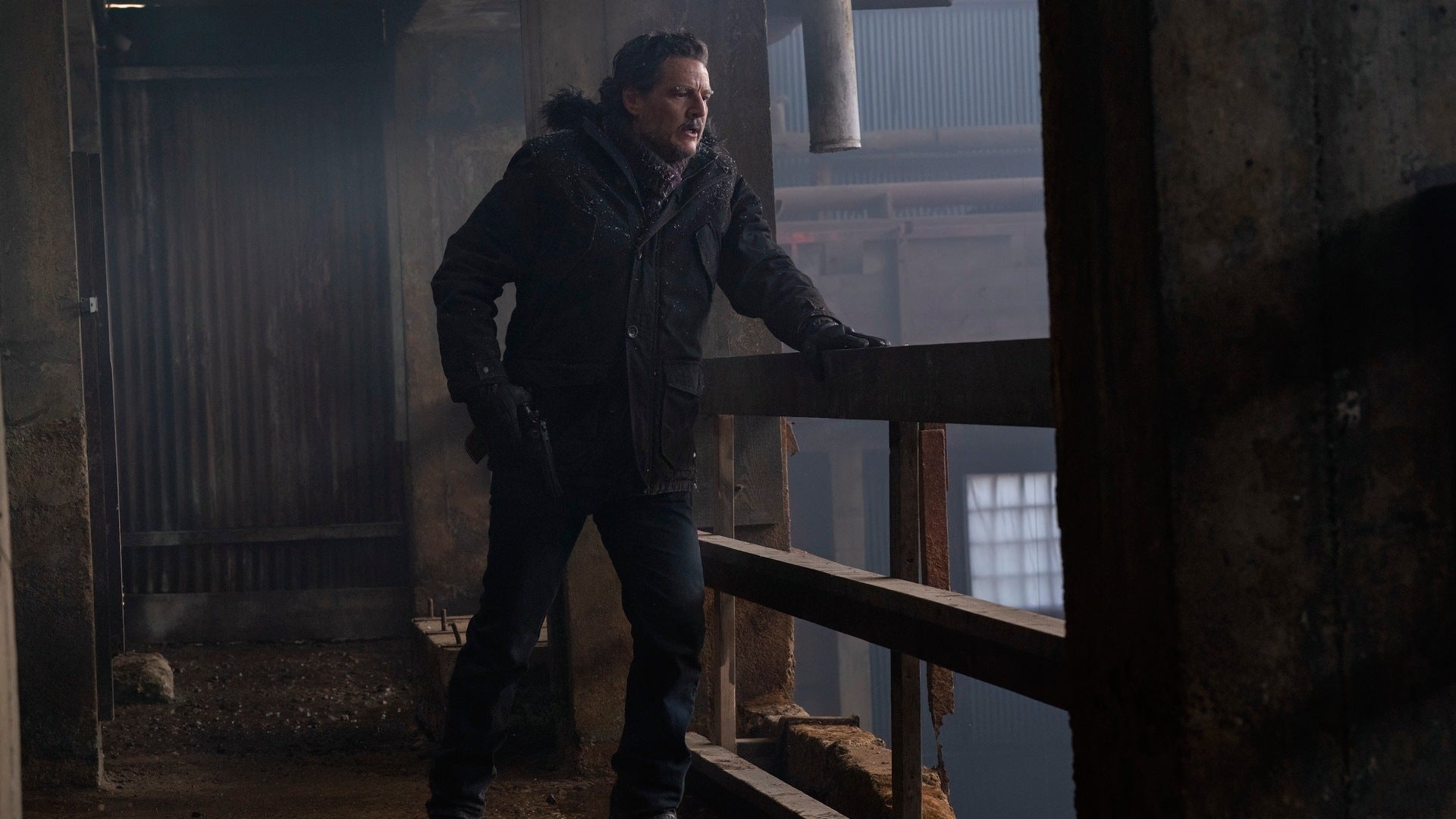
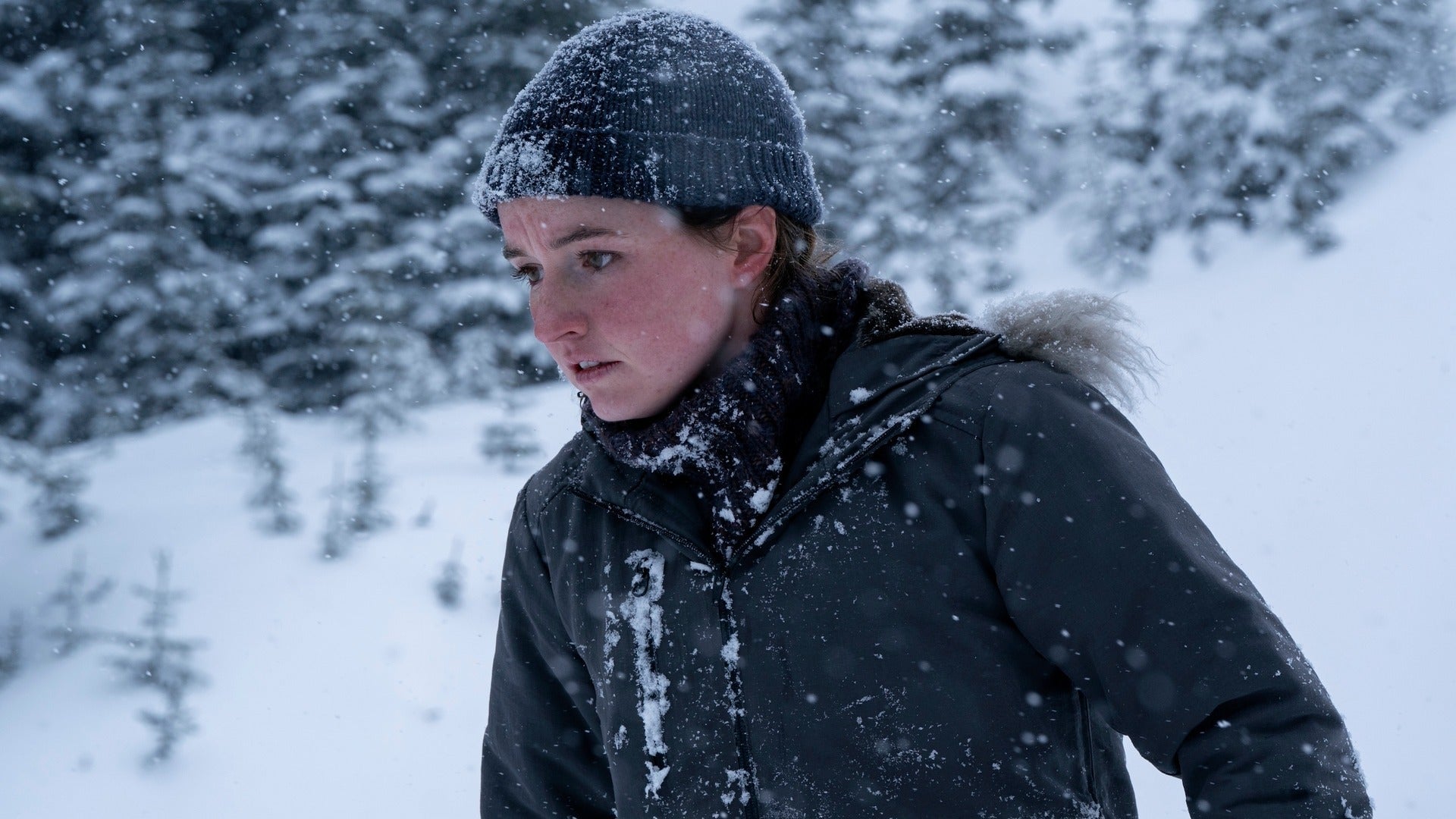
The second episode of The Last of Us season two delivers the moment fans have been dreading—and debating—since the game’s release. In a harrowing sequence that reshapes the series’ trajectory, Abby (Kaitlyn Dever) finally confronts Joel (Pedro Pascal) outside of Jackson, leading to an inevitable and violent conclusion that leaves the audience questioning the show’s narrative choices.
The Weight of Abby’s Nightmares
The episode opens with a recurring nightmare: Abby walking down the same hallway Joel once traversed to save Ellie in season one. However, the show introduces a twist—a second version of Abby appears, urging her to turn back and warning her of the carnage awaiting her. This internal conflict is made explicit early on. While the game kept Abby’s motivations shrouded in mystery to build tension, the HBO adaptation chooses to lay her cards on the table immediately, framing her as an ex-Firefly with a deeply personal vendetta.
This decision to strip away the mystery is a recurring theme this season. By establishing Abby’s sympathetic backstory so early, the show undermines the narrative dissonance that made the source material so provocative. Instead of forcing viewers to experience the story through the eyes of a character they might initially despise, the show opts for a more traditional, spoon-fed approach to character development.
Jackson’s Fragile Peace
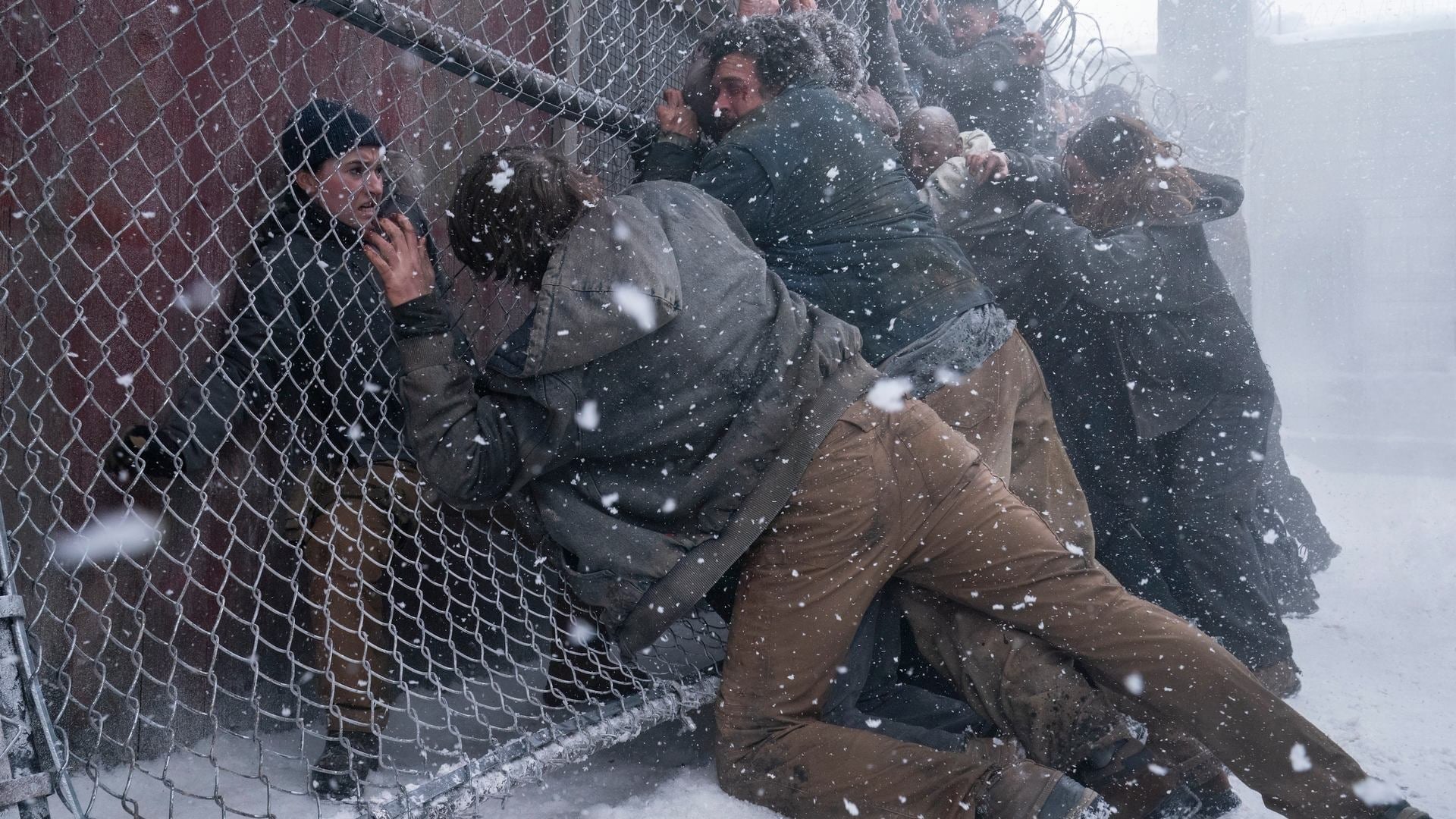
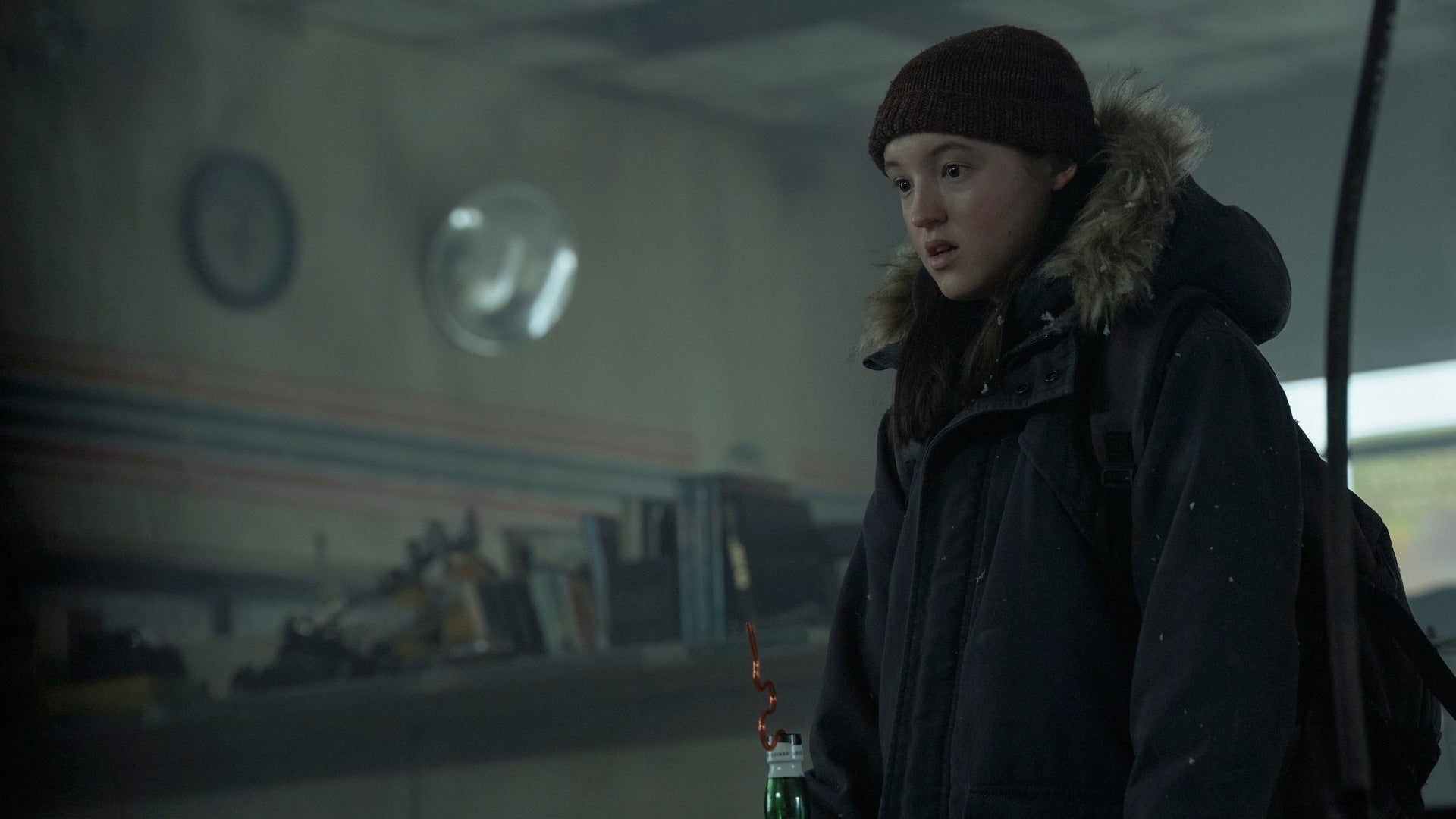
While Abby and her crew—including the hesitant Owen (Spencer Lord) and Mel (Ariela Barer)—scout Jackson, the town itself is dealing with its own existential threat. Infected are displaying newfound intelligence, using corpses as decoys and insulation. Ellie (Bella Ramsey), meanwhile, is navigating her own complicated dynamics. Despite a tense relationship with Joel, there are signs of reconciliation, signaled by the return of his acoustic guitar to her room and her attempts to join him on patrol.
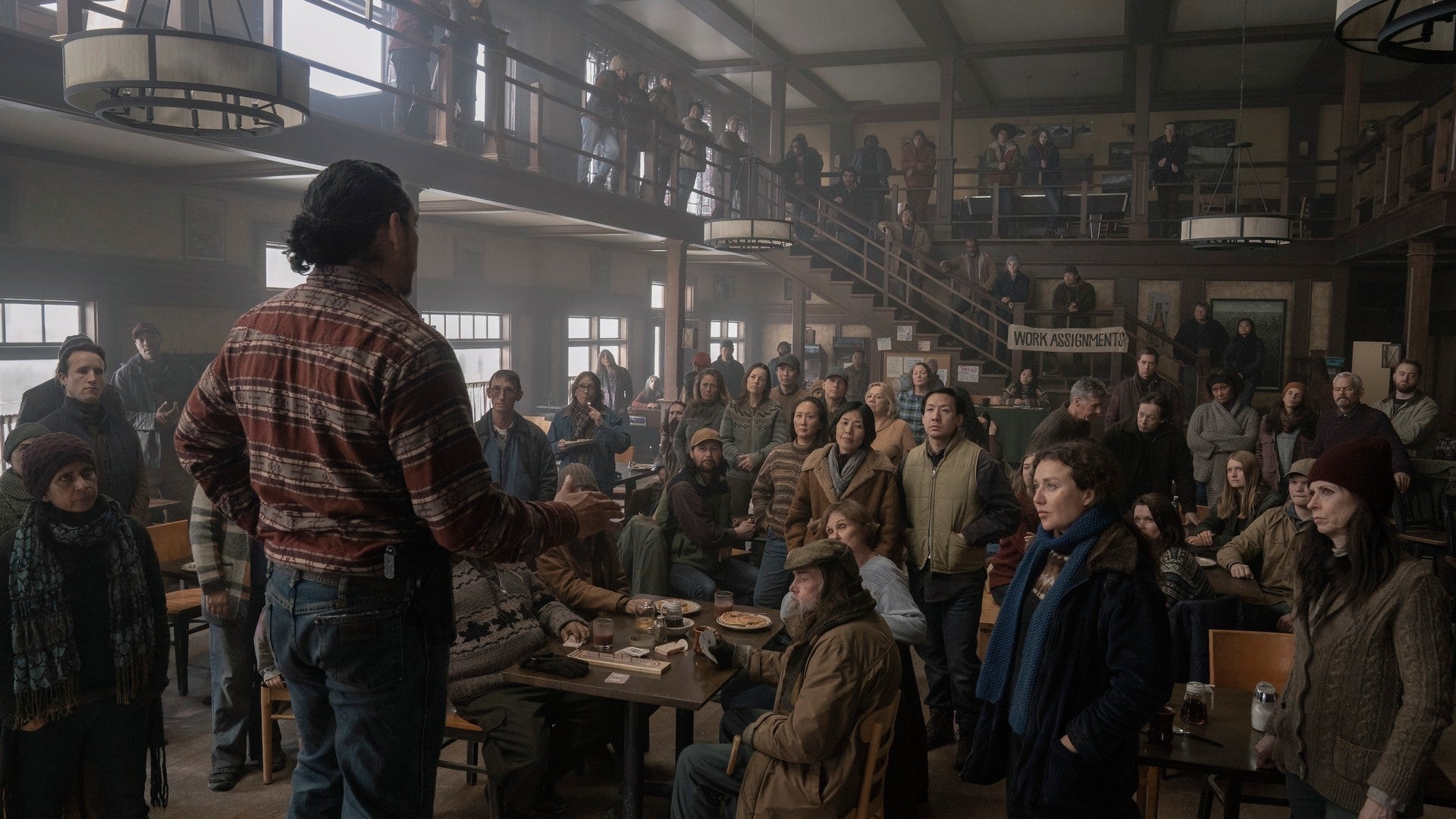
A standout moment occurs when Maria (Rutina Wesley) forces Ellie to interact with Seth, a resident who previously directed homophobic slurs at her. The scene mirrors real-life frustrations of forced civility, highlighting the jaded view Ellie holds toward Jackson’s “community.” It’s a grounded, painful moment, though it contrasts sharply with the show’s broader tendency to telegraph its emotional beats.
The Collision Course
Fate intervenes when Abby, tracking the Jackson patrol, narrowly survives an encounter with a horde of infected, only to be saved by Joel himself. The irony is suffocating: Joel saves the very woman destined to end his life. Abby, showing surprising restraint, lures Joel and Dina to a remote lodge where her heavily armed crew is waiting.
The subsequent confrontation is a masterclass in tension, though perhaps for the wrong reasons. As Abby monologues about her father—the surgeon Joel killed in Salt Lake City—the scene feels like a villainous reveal rather than the raw, wordless trauma depicted in the game. When Joel finally tells her to “just shut the fuck up and do it,” he echoes the sentiment of many viewers who are frustrated by the show’s need to explain every motivation through heavy-handed dialogue.
A Final, Polarizing Act
The climax is brutal. Ellie arrives at the lodge, witnessing the final moments of Joel’s life. In a deviation from the game, Abby uses a broken golf club to stab Joel in the neck rather than the more visceral skull-crushing imagery. As Ellie screams her vows of vengeance, the scene feels performative, lacking the quiet, devastating impact of the original source material. The episode concludes with a haunting cover of “Through the Valley” by Ashley Johnson, as the weight of the loss settles over Jackson.
Ultimately, this episode highlights a fundamental disconnect. By prioritizing plot points over the “lived-in” experience of the game, the show risks losing the very thing that made The Last of Us a masterpiece: the feeling of complicity. While the production values and performances remain high, the shift in storytelling focus suggests a show that is more interested in recounting events than capturing the soul of its characters.