Valve’s latest hit, Deadlock, has captivated players with its 1950s occult-fantasy world, yet its rigid MOBA structure leaves fans craving a deeper, narrative-driven experience beyond the three-lane grind.
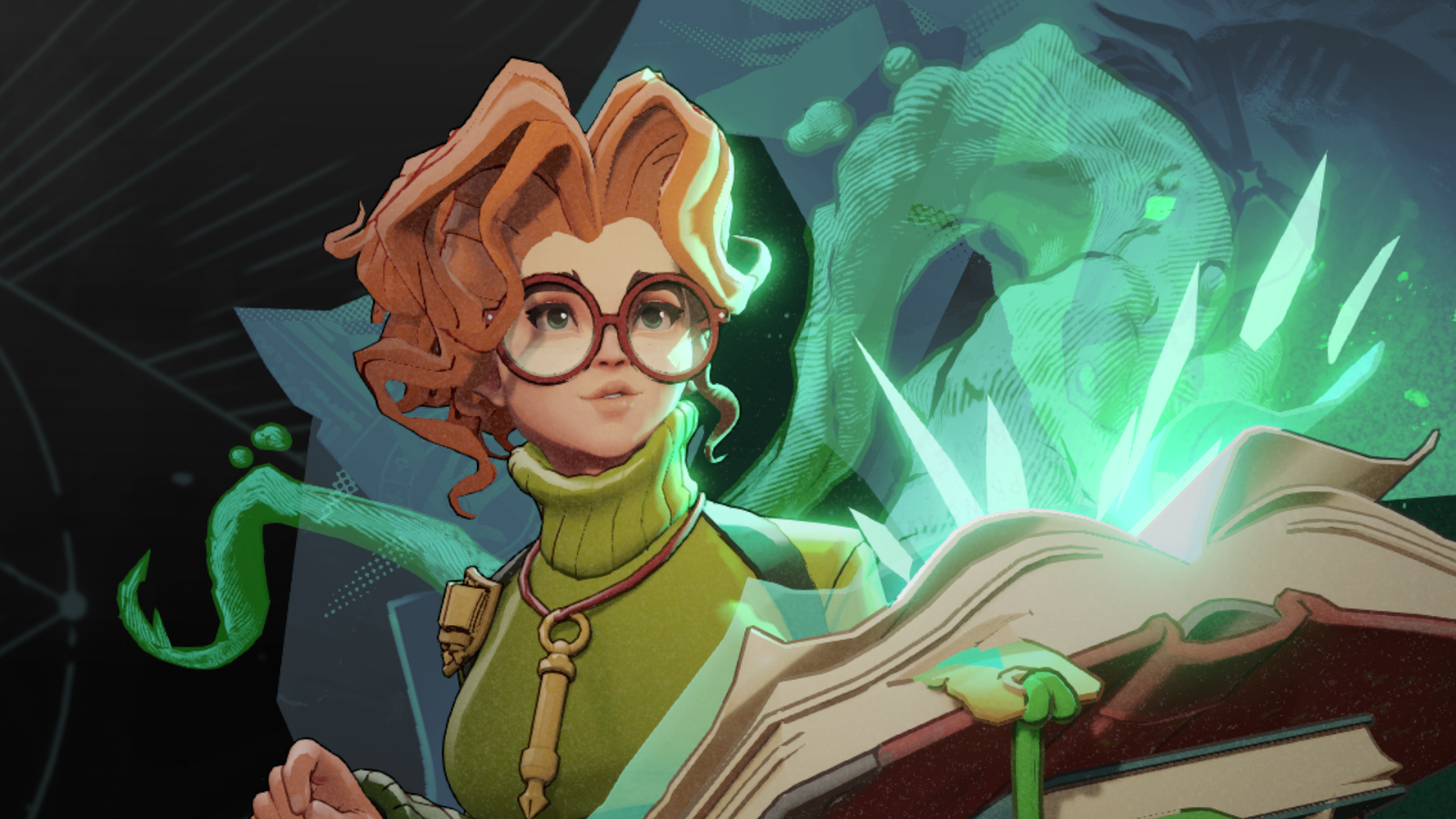
I have a love-hate relationship with MOBAs, but Deadlock—following the recent “Old Gods, New Blood” update—has pulled me back into the genre with undeniable force. Having logged over 2,400 hours in Dota 2 during my university years, I am already 183 hours deep into Valve’s newest dopamine machine. It is addictive, complex, and occasionally frustrating, but it is the lore and worldbuilding that truly keep me hooked.
A World Worthy of More Than Just Lanes
Deadlock’s setting is arguably one of the most compelling in recent memory. It envisions a fantastical 1950s America where magic is not only real but has surged in influence following the “Maelstrom”—an event that tore open Astral Gates across the globe. The central conflict involves two patrons vying for control of a magic-flooded planet, providing the backdrop for the game’s competitive matches.
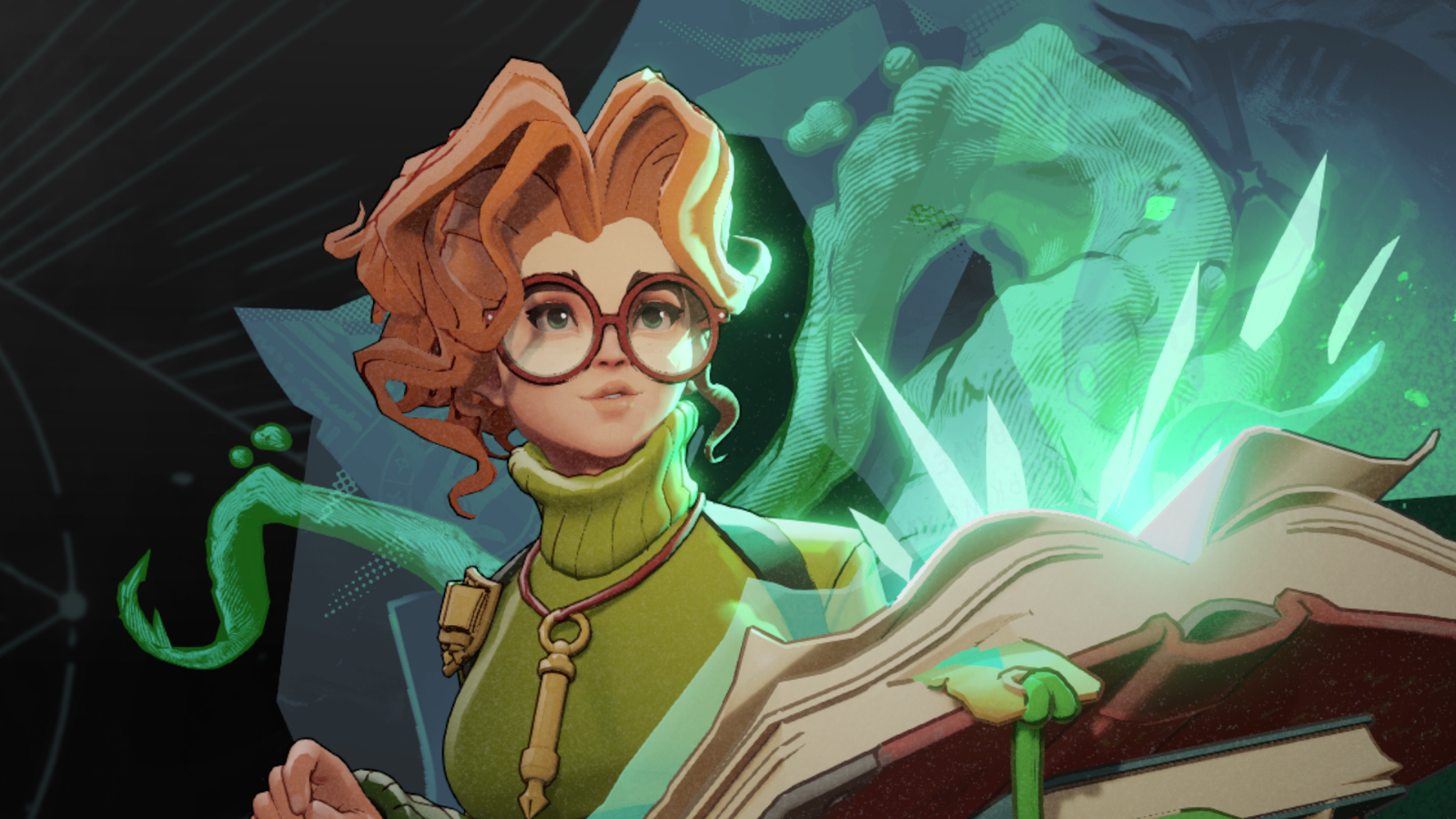
Valve’s art and narrative teams have crafted an aesthetic that is as polished as it is imaginative. Whether I’m traversing The Hidden King’s subwoofer-drenched base or admiring the character designs, the attention to detail is staggering. Yet, this excellence creates a persistent sense of malaise: the feeling that this world is too vast and interesting to be contained within a standard MOBA format.

The “What If” of Deadlock’s Lore
While we may eventually see animated shorts or comics—and there is even a visual novel in development—the constraints of a three-lane map remain. The setting feels ripe for an expansive RPG or a first-person shooter that allows players to fully inhabit this reality.
I find myself wanting to run errands for the Municipal Coven, chase time thieves through a Paradox exhibit, or navigate the political tension between vampire baronies. I want to see the world beyond the hero roster and the objective-based combat. It is the same frustration felt by fans who spent years waiting for a dedicated MMO based on League of Legends.
Ultimately, this is a testament to Valve’s success. They have built a universe so compelling that the actual game—as deep and mechanically satisfying as it is—feels like a mere window into a much larger, unexplored ocean. The developers have cooked something truly special; now, I’m just hungry for the rest of the meal.