

Ellie and Dina’s journey through a decaying Seattle takes center stage in the latest episode of The Last of Us, balancing tender queer romance with the harsh, blood-soaked reality of the W.L.F. and Seraphite war. While Ellie’s revenge mission remains the driving force, this installment offers a more nuanced look at the characters’ internal struggles and the brutal cost of survival in the Emerald City.
Isaac’s Dark Introduction
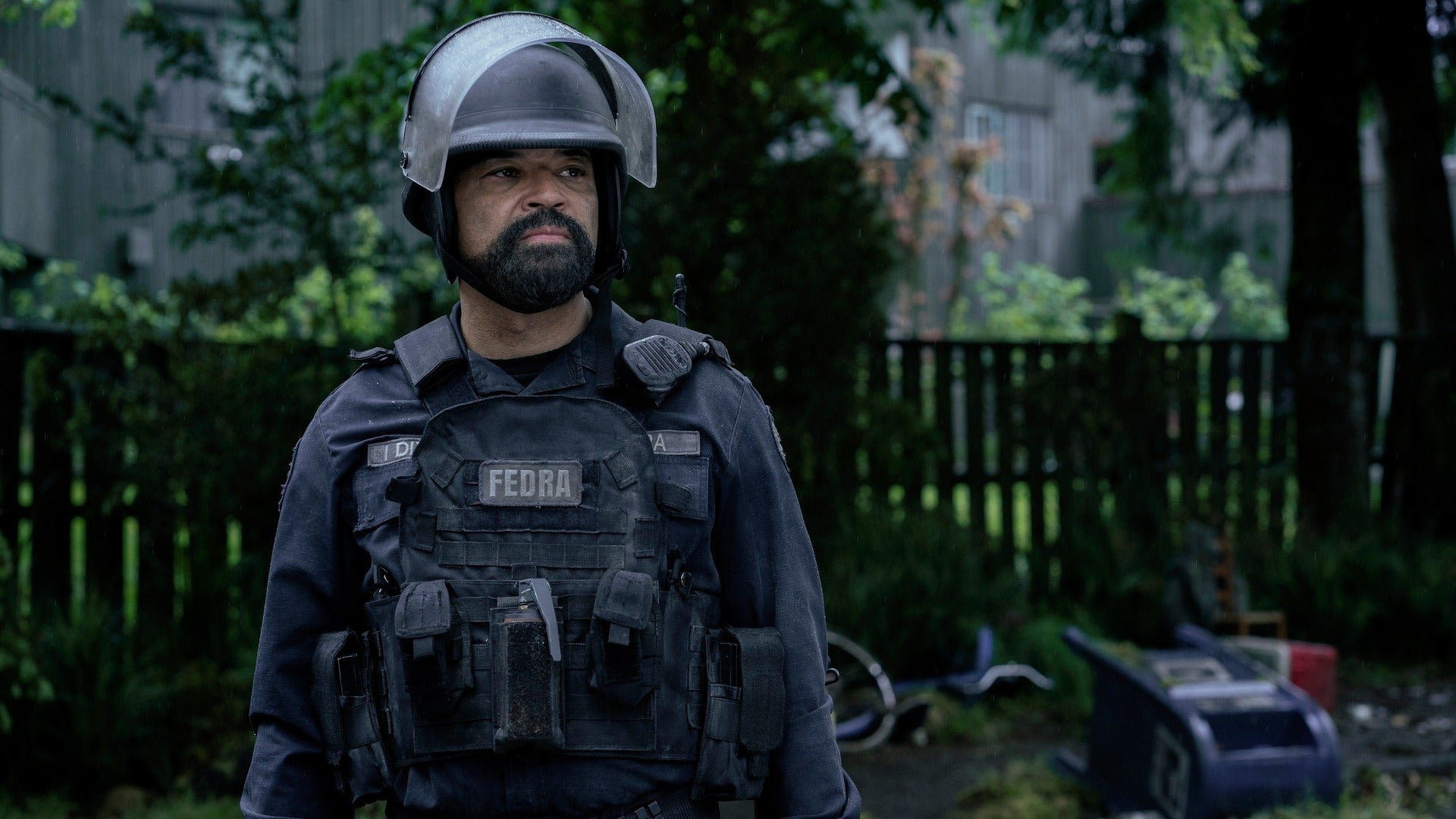
The episode opens with a chilling flashback to 2018, introducing us to the ruthless Isaac (Jeffrey Wright). Through his interaction with a group of FEDRA soldiers, we learn the grim origins of the term “voters”—a cruel jab at the citizens stripped of their rights by the fascist regime. Isaac’s cold-blooded execution of his own men and his alliance with a civilian leader solidify his role as a formidable, unpredictable force in the conflict. Jeffrey Wright’s performance is nothing short of magnetic, adding a layer of sophisticated menace that surpasses previous antagonist portrayals in the series.
The Weight of Lost Culture
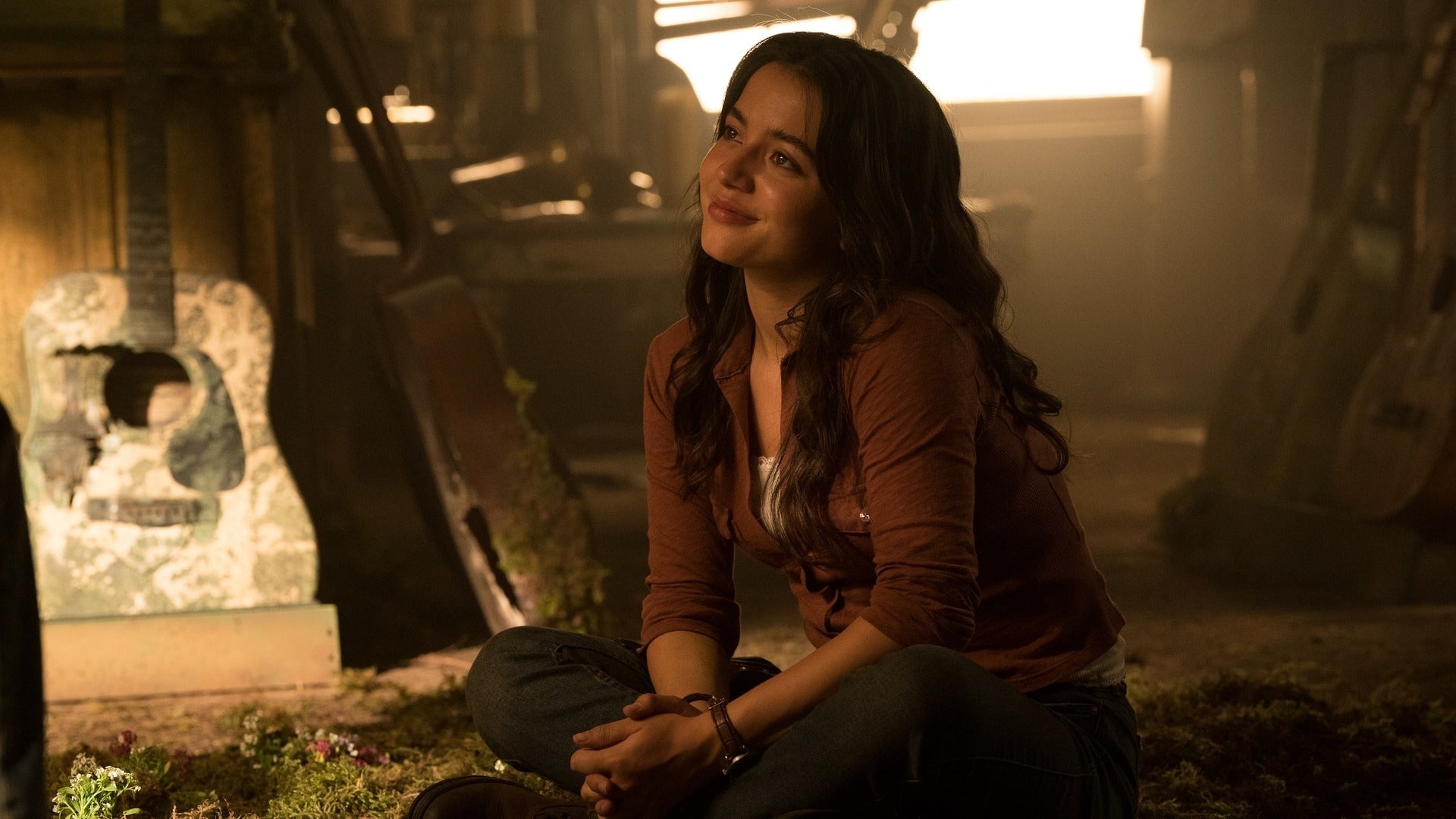
In the present, Ellie and Dina scavenge the ruins of Seattle, stumbling upon remnants of a world they never truly knew. Their fascination with Pride flags—symbols of an optimistic past they cannot contextualize—is a poignant reminder that in the apocalypse, culture is just as fragile as human life. The scene is echoed by a quiet, intimate moment in an abandoned record store, where Ellie plays an acoustic version of A-ha’s “Take On Me.” It is a rare, earnest beat of connection that highlights the blossoming bond between the two leads before the inevitable return to violence.
Violence and Ideology
The show doesn’t shy away from the brutality of the W.L.F.-Seraphite war. Isaac’s interrogation of a captured “Scar” using heated cookware is a visceral display of his depravity. However, the narrative’s attempt to frame the conflict as a “both sides” moral dilemma feels increasingly strained. While the show draws parallels to real-world geopolitical strife, the simplification of these factions into groups of people who have forgotten why they are fighting risks undermining the gravity of the inspiration it attempts to mirror.

A High-Stakes Revelation
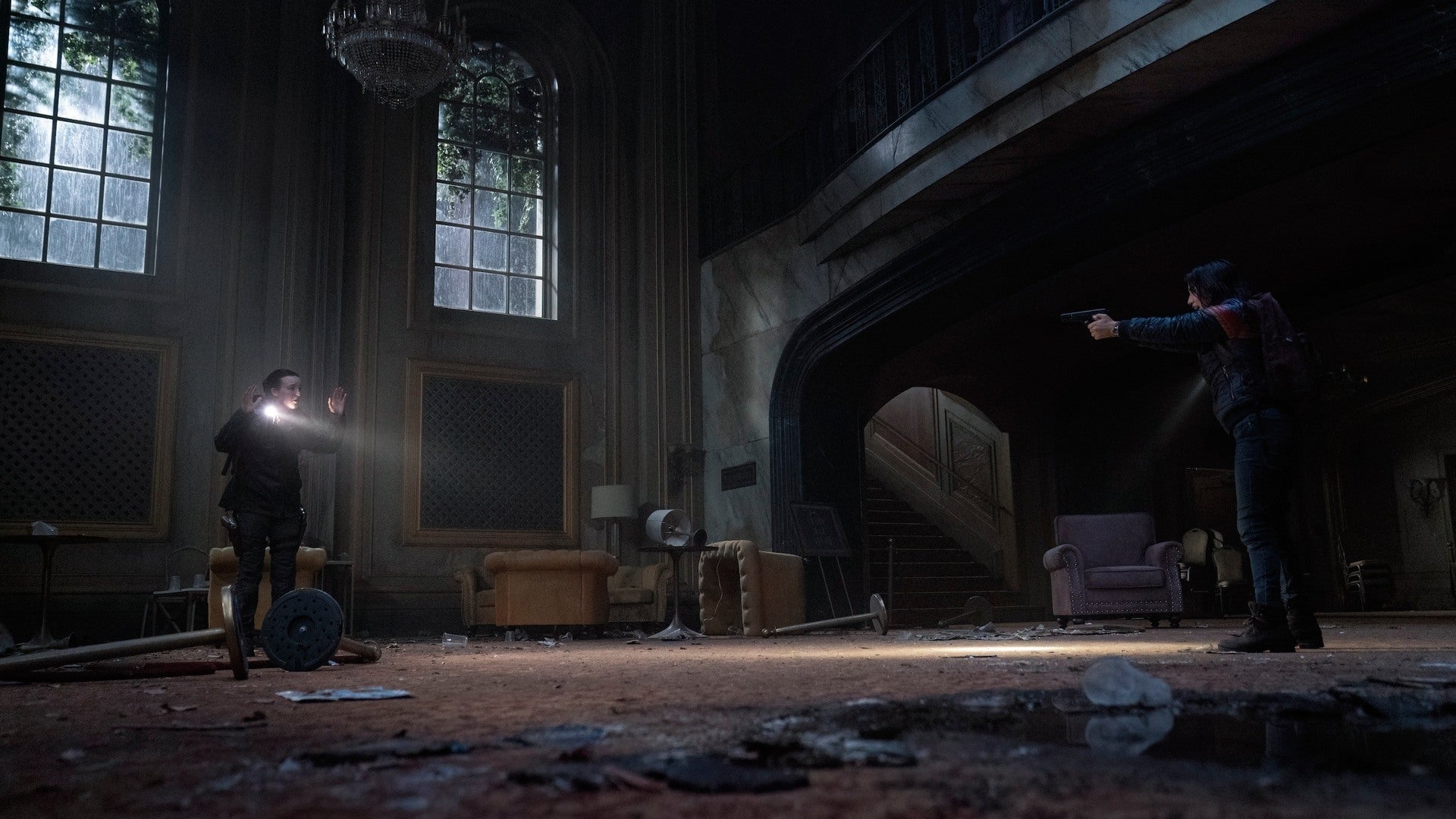
As Ellie and Dina infiltrate a TV station, the tension shifts from political to personal. After a harrowing escape from a horde of infected in the subway—where Ellie is forced to reveal her immunity to save Dina—the pair seeks refuge in an old theater. The subsequent conversation reveals that Dina is pregnant, a discovery that fundamentally alters their partnership.
The show takes a bold approach to the characters’ backstories, specifically regarding Dina’s struggle with her mother’s past homophobia. By weaving these prejudices into the post-apocalyptic world, the series creates a different anthropological landscape than the games, suggesting that the loss of queer culture was not just a side effect of the collapse, but a targeted erasure that persists even in the face of extinction.
The Road Ahead
The episode concludes with the discovery that Nora is at Lakehill Hospital, providing a clear path for Ellie’s revenge. Despite the dangers and the complication of Dina’s pregnancy, the two remain committed to their goal. Whether this “U-Haul Lesbian Road Trip” will culminate in justice or tragedy remains the central question as the season moves toward its inevitable, violent conclusion.