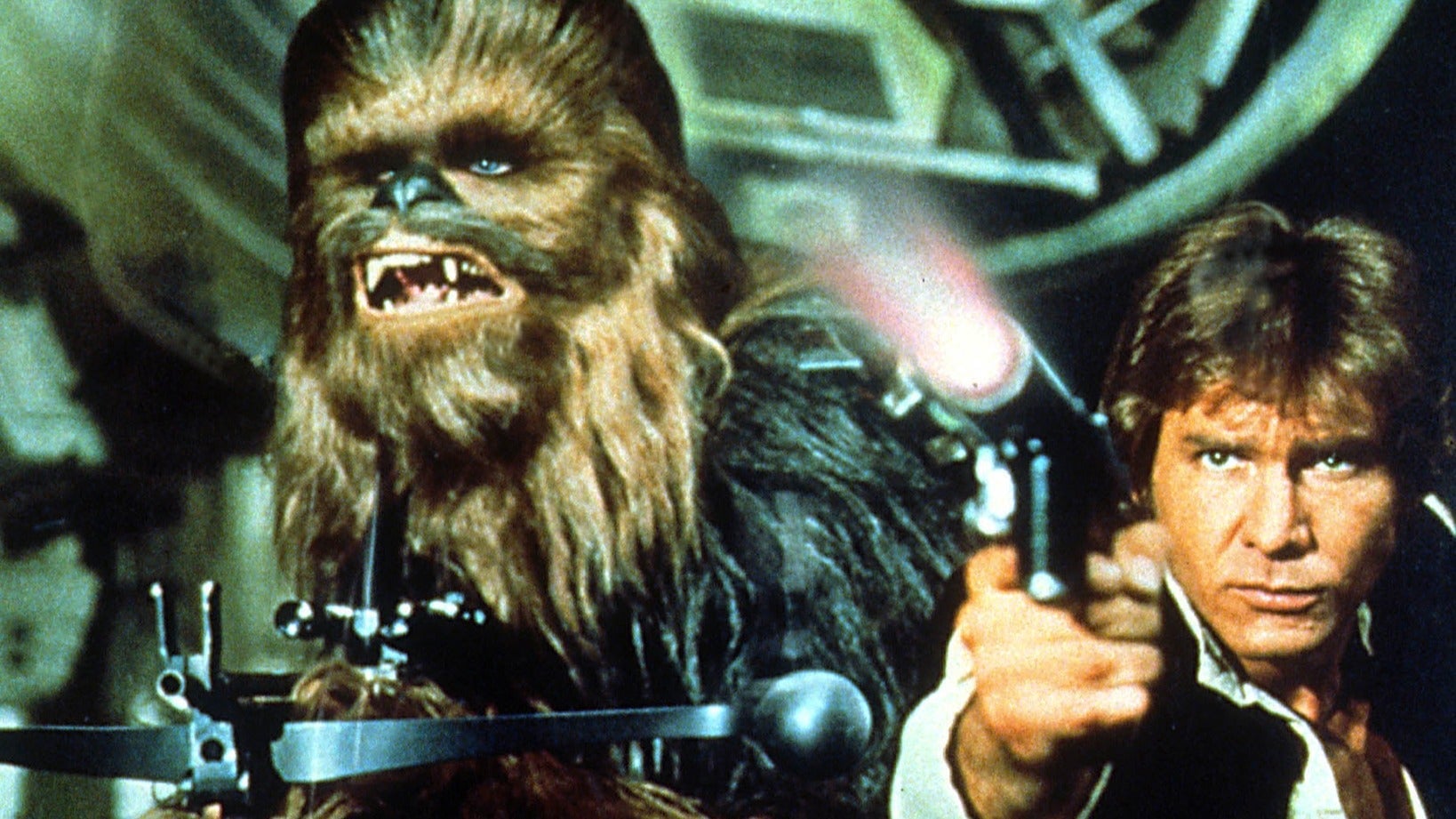
For the first time since 1978, the original 1977 theatrical cut of Star Wars: Episode IV – A New Hope will be screened for the public at the British Film Institute’s (BFI) Film on Film Festival this June. This rare “dye-transfer imbibition” Technicolor print, which has been preserved in a climate-controlled vault in England for over four decades, offers a glimpse into the film exactly as it appeared to audiences during its initial British release.
A Rare Blast From the Past
The upcoming BFI festival, launching on June 12 in London, marks a historic moment for cinema history. While the film has been available on home media formats in the past, this screening represents the first time the public can experience this specific print in a theater environment in more than 46 years. This version differs significantly from the iterations that have dominated screens since George Lucas began his relentless campaign of revisions.
The Battle Over the “Definitive” Cut
George Lucas has notoriously spent decades distancing himself from his original 1977 masterpiece. Starting in 1981, he began replacing the original theatrical prints with updated versions, adding new sequences and digital effects. By 1997, Lucas had effectively barred theaters from showing anything other than his “Special Edition” re-cuts. To Lucas, the original film is an unfinished relic; he famously told the Associated Press in 2004 that he viewed the original as a “half-completed film” and refused to spend the millions of dollars required to restore it, claiming it “doesn’t really exist anymore.”
Who Really Owns the Force?
Despite Lucas’s long-standing desire to bury the original cut, the BFI secured permission from Lucasfilm and Disney to host these screenings. While Lucas has frequently argued that “a film belongs to its creator”—a sentiment he echoed at last year’s Cannes Film Festival—the reality of corporate ownership is different. Following the $4 billion sale of his company to Disney, Lucas no longer maintains creative veto power over how the films are exhibited.
According to James Bell, the BFI National Archive’s Senior Curator of Fiction and Programme Director, this will be a fleeting opportunity for fans. Following the two scheduled screenings at the festival, the print will be returned to the Master Film Store, where it will be placed back into the sub-zero conditions that have kept it in such pristine, colorful condition for nearly half a century.