The Last of Us concluded its second season on Sunday with a massive cliffhanger, setting the stage for HBO to stretch the narrative of The Last of Us Part II across a third season. While the show remains a high-profile adaptation, the finale has ignited a firestorm of debate across the internet, pitting die-hard fans of the original PlayStation title against those defending the show’s creative liberties.
Divided Opinions on Bella Ramsey’s Performance
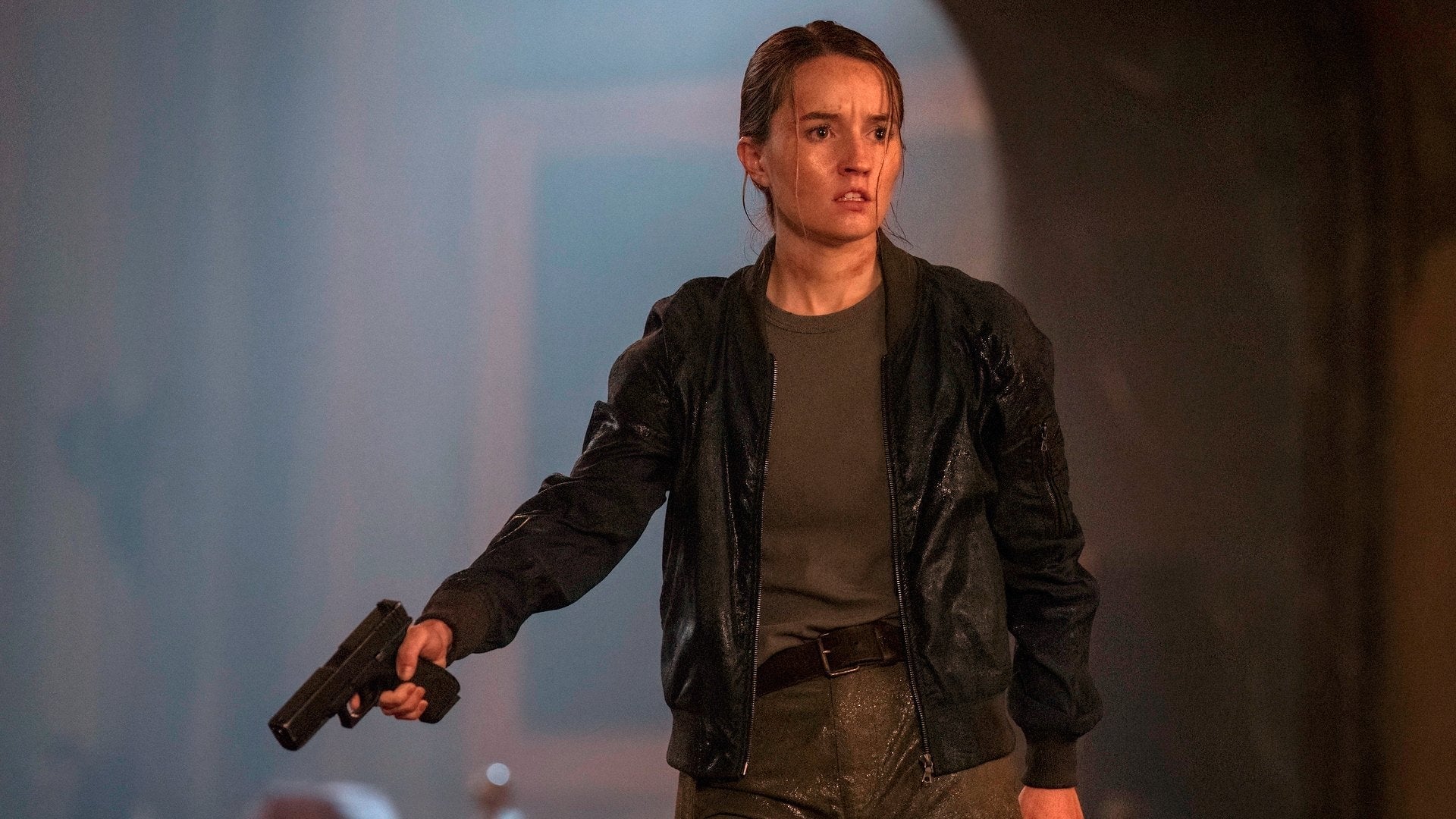
One of the most debated aspects of the season has been Bella Ramsey’s portrayal of Ellie. While some viewers criticize the performance for feeling more immature compared to Ashley Johnson’s iconic gaming iteration, the finale offered a turning point. Many fans praised Ramsey for effectively capturing Ellie’s disillusionment with the residents of Jackson. Despite wider criticisms regarding the show’s writing, the tension Ramsey delivered during the finale’s climactic moments managed to win over a significant portion of the audience.
The Controversy Over Character Alterations
Beyond performances, the frustration among longtime gamers stems from how HBO has reimagined key characters. Critics argue that the series has fundamentally altered personalities—transforming Jesse from a beloved, reliable ally into a far less likable figure, and stripping Abby of the physical intimidation that defined her obsession with vengeance in the game. Furthermore, many fans feel the show has “infantilized” Ellie, making her appear less confident and more sadistic, while shifting the narrative focus of her vengeful journey onto her girlfriend, Dina.
The “Accidental” Death of Mel: A Narrative Shift?
Perhaps the most polarizing change in the finale involves the death of Mel. In the original game, Ellie’s decision to kill Mel—knowing she is pregnant—serves as a pivotal moment that forces the player to confront the horrific, intentional collateral damage of Ellie’s quest for revenge. In the HBO adaptation, this moment is reduced to an accident: a bullet meant for Owen strikes Mel instead. Critics argue this change strips the scene of its moral weight, effectively “letting Ellie off the hook” and undermining the deliberate, dark descent into violence that made the source material so impactful.
Is the Show Suffering from Inconsistent Writing?
The discourse has split into two camps: those who believe the show should be evaluated independently, and those who see the deviations as evidence of poor storytelling. Detractors argue that the show suffers from tonal contradictions and erratic character motivations that make the narrative difficult to follow, regardless of one’s familiarity with the source material. Some suggest that the series attempts to “sanitize” the original story, resulting in a disjointed experience where character motivations shift abruptly to avoid controversy.
Looking Toward Season Three
While the gap between the game’s intentionality and the show’s “change for change’s sake” approach remains a point of contention, the conversation is far from over. As the series moves toward a third season—with Kaitlyn Dever set to take on a larger role as Abby—the question remains whether the creative team can reconcile these narrative choices. For many, the show has lost its narrative cohesion, but the upcoming season will serve as the final test for whether this adaptation can find its footing or continue to alienate its core audience.