
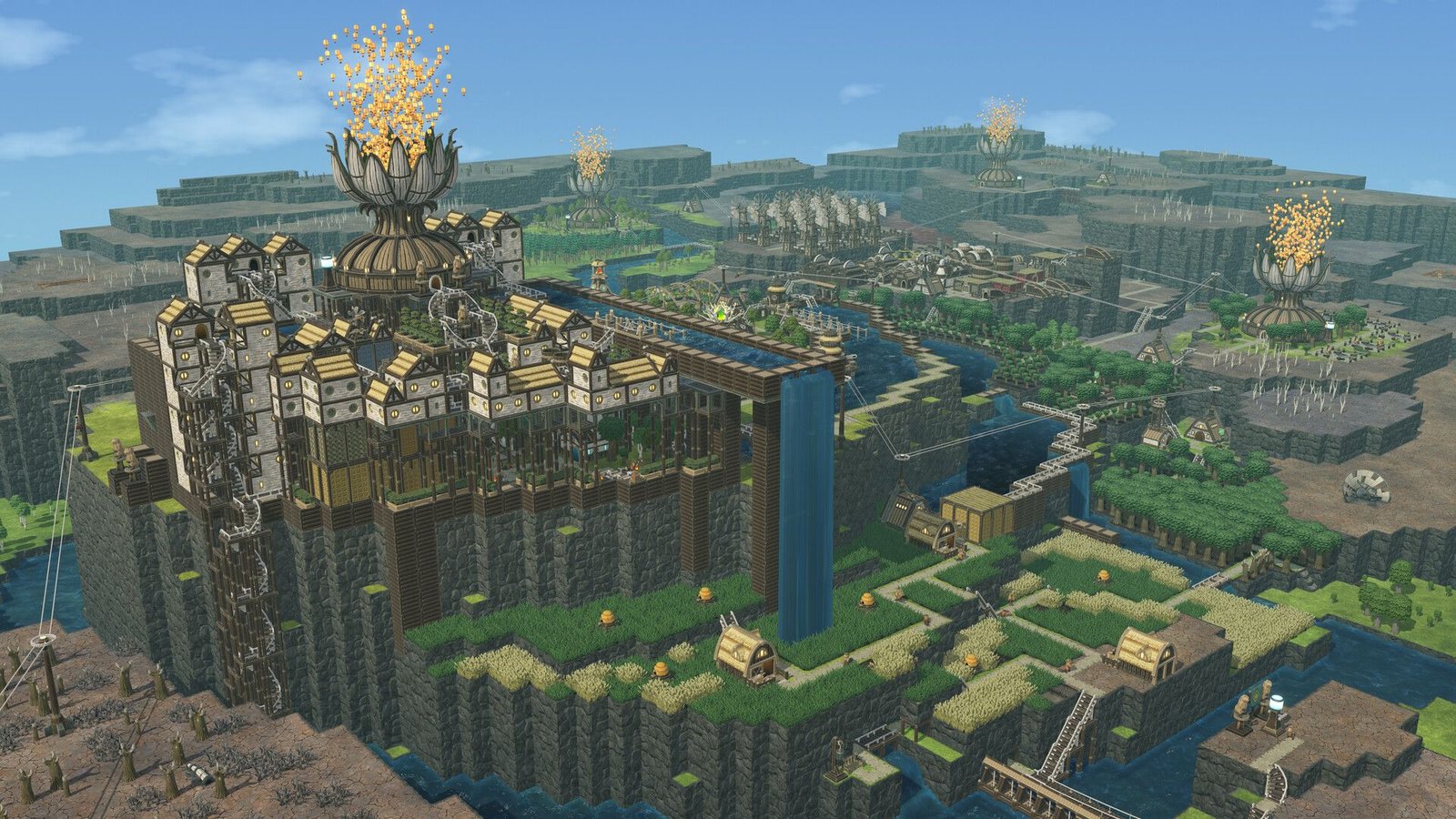
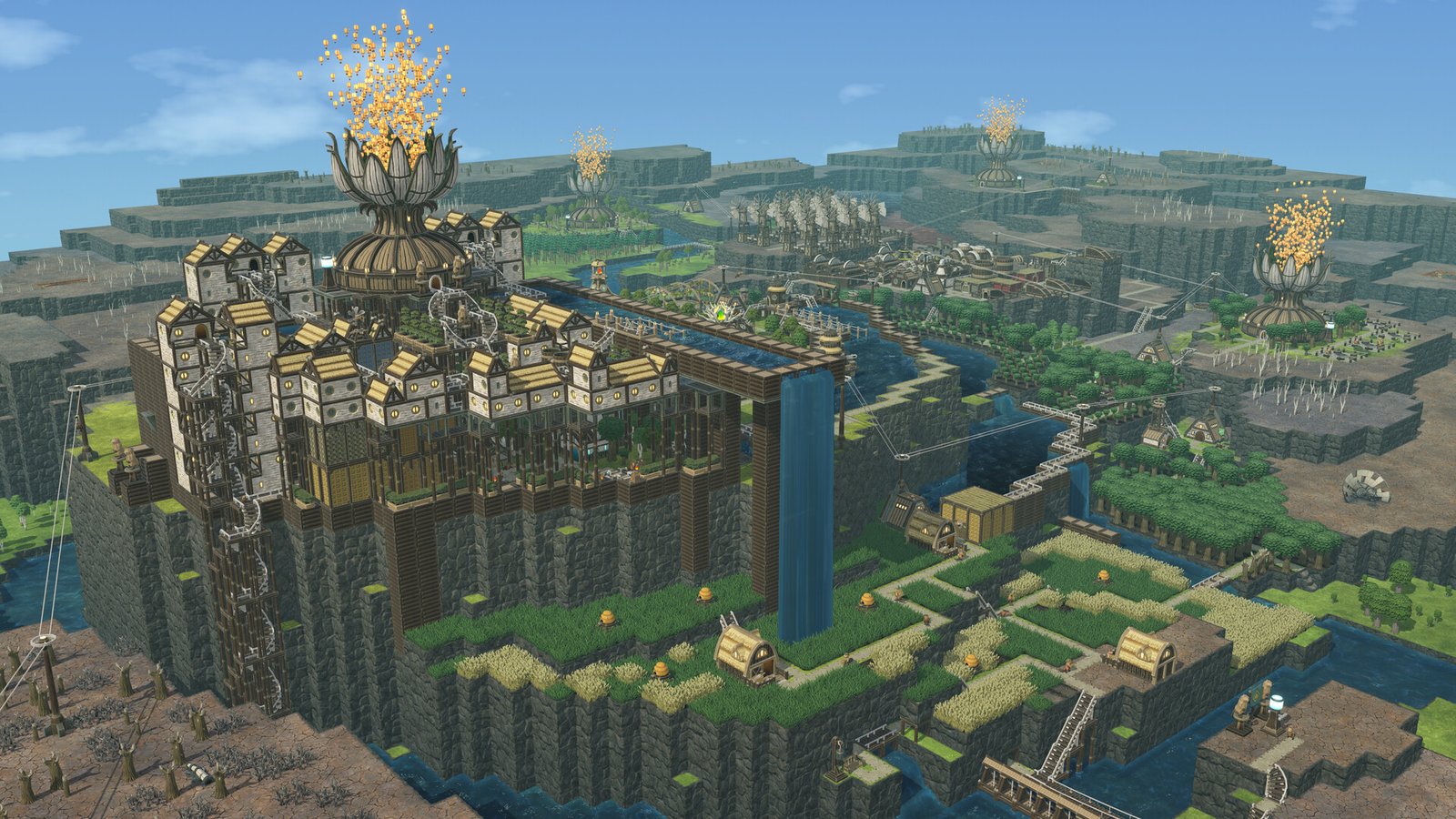
The beaver-themed city-builder Timberborn has officially exited early access, launching its 1.0 version with a massive surprise: sophisticated automation mechanics inspired by Factorio. Developer Mechanistry released the update this March, introducing a suite of logic-based tools that fundamentally change how players manage their industrious rodent colonies.
Engineering the Perfect Beaver Colony
While the transition out of early access was expected, the scale of the 1.0 update surpasses previous projections. The patch introduces twenty new buildings designed to act as logic nodes. These components allow players to program structures and environmental objects to operate independently based on specific triggers. The toolkit includes flow sensors, power meters, weather stations, logic relays, and manual levers, offering players unprecedented control over their infrastructure.

From Floodgates to Fireworks: The Power of Automation
The new automation system transforms the game’s management layer. Mechanistry has detailed several practical applications for these tools, such as configuring floodgates to close automatically when toxic “badwater” approaches, ensuring the colony’s water supply remains pristine. Players can also optimize production cycles by pausing buildings when resources run low or by rerouting beaver traffic based on time-of-day constraints, effectively turning the city into a complex, self-regulating machine.
A Titan of the City-Builder Genre
This addition arrives at the culmination of a highly successful development cycle. Since its alpha release, Timberborn has consistently evolved, adding features like ziplines, robotic beavers, and advanced water physics. This steady stream of content has solidified the game’s reputation, currently maintaining a 95% “Overwhelmingly Positive” rating on Steam from nearly 39,000 user reviews.
For those looking to dive into the game, Mechanistry is offering a 20% launch discount through March 26, bringing the price to $28 (£24). The 1.0 release marks a significant milestone for the title, proving that even a game about building dams can scale into a complex exercise in industrial engineering.