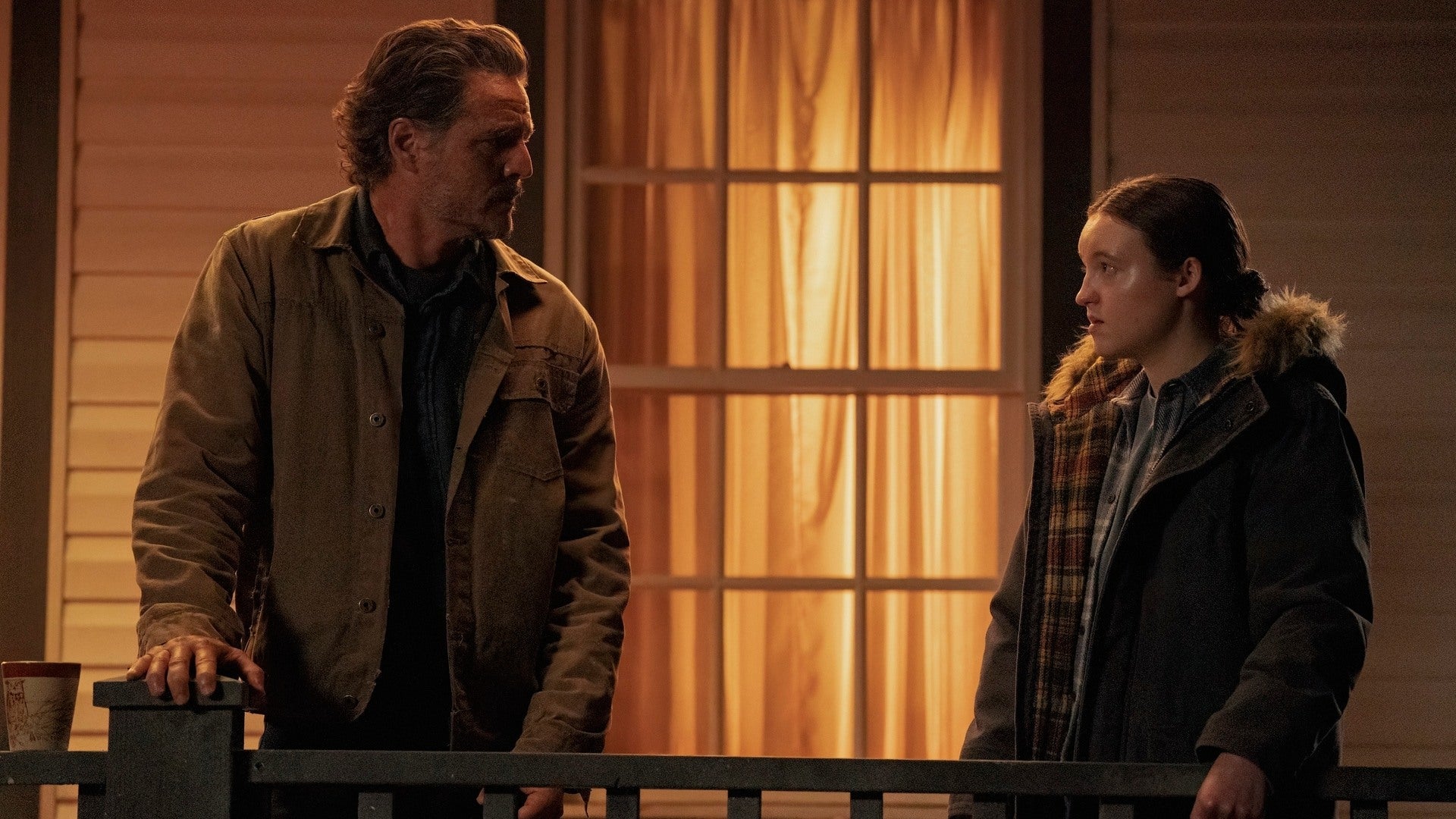
In a major deviation from the source material, the penultimate episode of The Last of Us season two revealed the pivotal back porch conversation between Joel and Ellie—a scene that remained hidden until the final moments of The Last of Us Part II video game. While the series is currently adapting the second game across three seasons, this narrative shift brings one of the most significant emotional payoffs to the screen years earlier than fans of the game expected.
A Creative Gamble or a Narrative Misstep?
Series director Neil Druckmann, showrunner Craig Mazin, and narrative lead Halley Gross discussed the decision on the official The Last of Us podcast. Druckmann admitted to feeling significant pressure while recreating the scene, labeling it the “Rosetta Stone” of the entire sequel’s story. Because the scene serves as the foundation for interpreting Ellie’s motivations, the production team felt it was essential to get it right. However, critics argue that by having characters explicitly explain their feelings—rather than letting the subtext breathe as it did in the game—the show risks diluting the emotional impact of the journey.
The Logic Behind the Timeline Shift
In the game, the porch scene is withheld to maintain a sense of mystery regarding Ellie’s transformation. Players are forced to piece together her deteriorating relationship with Joel through fragmented flashbacks, only realizing the true weight of her grief at the very end. By moving this reveal to the middle of the adaptation, the showrunners have opted for a different pacing strategy.
“That porch scene, I was so nervous about that because again, that scene is to me the most important scene in the entire story,” Druckmann explained. “Which is why, in the game, it’s at the very end. One of the choices that we made to bring it up, and the reason we brought it up, is because we were worried it wouldn’t work if you had to wait years to get this pay-off. And it felt here, as we’re on this journey with Ellie, it felt appropriate to do it in this moment in time.”
Adapting for a Different Medium
The core tension lies in the transition from an interactive 20-hour experience to a multi-season television event. The show’s creative team seemingly fears that the “dissonance” and ambiguity that fueled the game’s narrative structure might frustrate viewers forced to wait years between seasons. By removing these “divisive thorns,” the series aims for a more accessible narrative flow, though some argue this approach strips away the bold, unflinching nature that made the original game so provocative.
As the season approaches its finale, the show continues to prioritize clarity over the slow-burn mystery that defined the source material. Whether this decision ultimately pays off remains to be seen, but with only one episode left this season, fans are already preparing for the fallout of the upcoming finale.