Netflix is set to overhaul its ad-supported tier in 2026 by introducing AI-generated advertisements and mid-stream pause ads, forcing subscribers to endure more intrusive interruptions during their viewing sessions. Despite paying $8 per month for the privilege, users will soon face a platform shift designed to aggressively monetize engagement as the streaming giant doubles down on its advertising business.
The Push for AI-Driven Advertising
Amy Reinhard, Netflix’s president of advertising, touted the company’s dual focus on technology and entertainment during a recent event for ad agencies. While the specific technical implementation of these AI-generated ads—and whether they will adapt to individual viewers in real-time—remains vague, leadership is clearly banking on the financial upside of this automated approach.
Monetizing Viewer Attention
Reinhard defended the strategy by highlighting the company’s high viewer attention metrics compared to competitors. According to the executive, subscribers on the ad-supported tier currently watch approximately 41 hours of content per month, which includes roughly three hours of advertisements. Netflix views this captive audience as a key asset, noting that users pay as much attention to mid-roll ads as they do to the actual programming.
Disrupting the Binge-Watching Experience
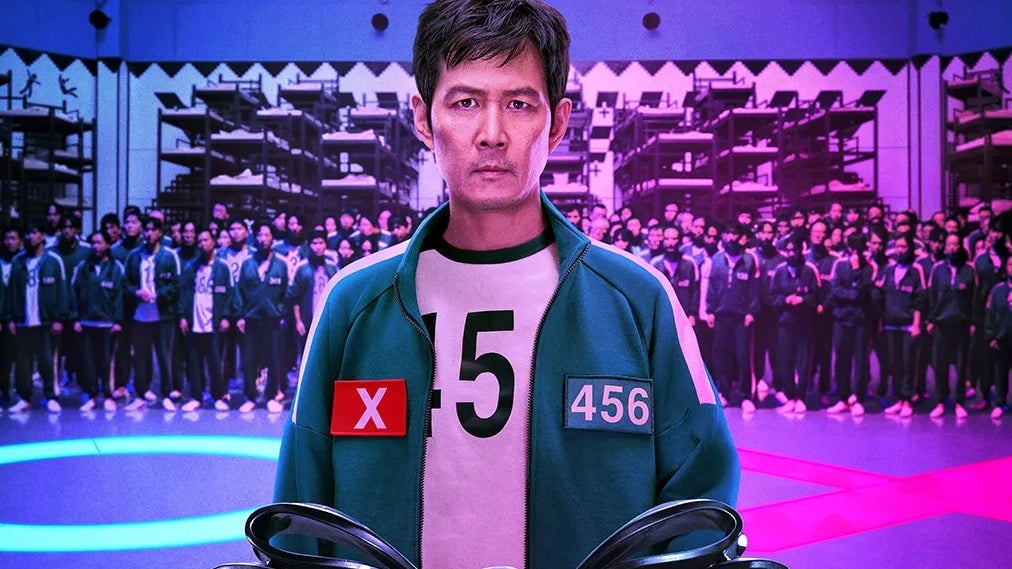
Starting in 2026, the current ad experience—often limited to pre-roll—will evolve to include AI-generated content that interrupts the flow of shows like Squid Game or Stranger Things. This shift comes as Netflix continues to navigate a landscape of rising subscription prices and strict limitations on password sharing, further altering the value proposition for its user base.
The Future of Platform Features
While the company prioritizes AI-driven ad insertion, other platform developments remain in flux. Features such as TikTok-style feeds of curated clips are only in the early stages of implementation. Simultaneously, the status of Netflix Gaming remains ambiguous, even as the company hints at future titles, leaving the door open for speculation regarding how AI might eventually be used to create rapid, interactive adaptations of popular platform hits.