Following years of speculation, intense trailer analysis, and preemptive fan backlash, James Gunn’s Superman is finally making its debut. While the general public will experience the latest iteration of Clark Kent’s journey on July 11, early reviews from critics and content creators are already painting a complex picture: a bold, visually striking re-imagining that succeeds in its tone but falters in its execution.
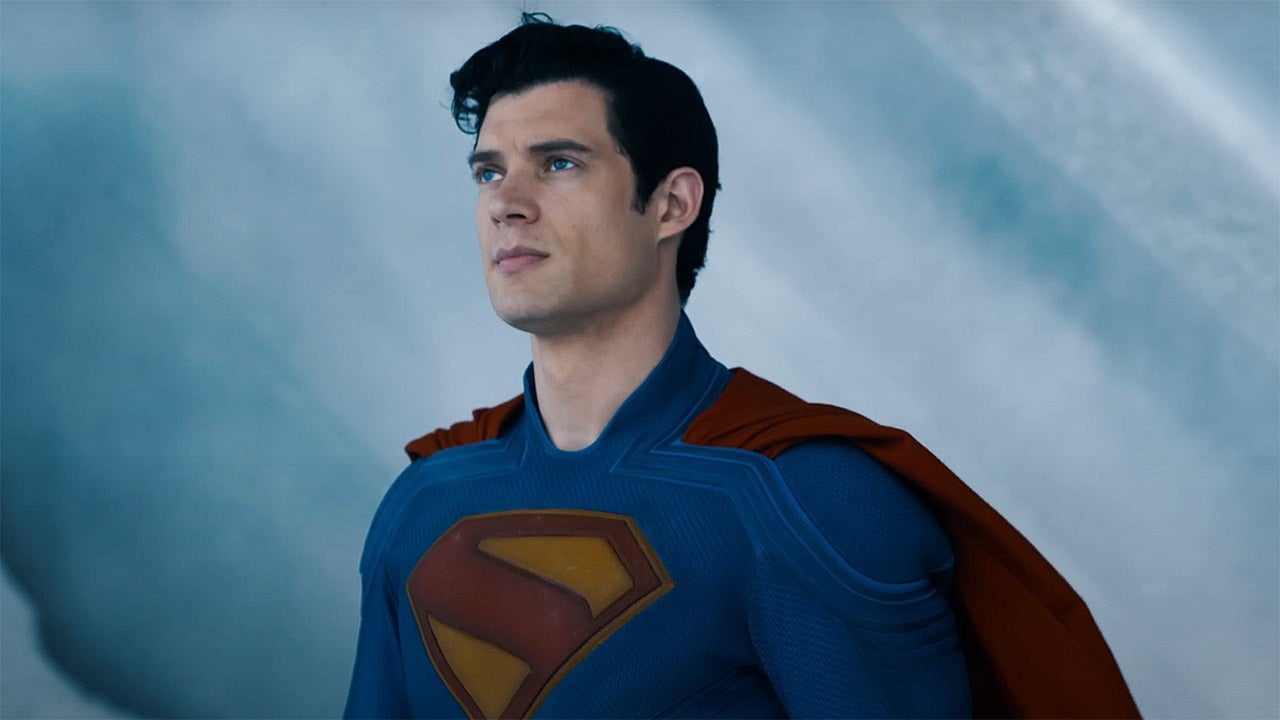
A Fresh Vision for the Man of Steel
GQ Senior Editor Frazier Tharpe, writing in a cover story featuring lead actor David Corenswet, praised the film for being “one of the most distinct superhero movies in a long time.” Tharpe noted that the film manages to carve out its own identity by embracing the genuine, earnest spirit of the Superman ethos.
“Gunn’s approach is colorful, in both its palette and the costumes; proudly fantastical, with flying orbs, robots, portals, and giant monsters; and at times endearingly, intentionally corny (see: Krypto the super dog). But late in the third act, Superman delivers an impassioned monologue about himself that essentially states Gunn’s thesis about the character and his core values. You won’t find any controversial neck-snapping here,” Tharpe wrote.
Political Undertones and Human Connection
A significant portion of the critical response focuses on Gunn’s decision to root the story in real-world political tension, specifically the conflict between the fictional nations of Boravia and Jarhanpur. New York Times critic Alissa Wilkinson observed that the film’s sincere, occasionally goofy approach was enough to overcome her own superhero movie fatigue.
Vulture’s Alison Willmore highlighted the thematic depth of the film, pointing out that Superman—the creation of two Jewish American men—is explicitly framed as a refugee. For Willmore, this politicized lens serves as a poignant reflection of modern global struggles and current “real-life supervillains.”
Currently, the film boasts an 86 percent approval rating on Rotten Tomatoes. Associated Press critic Jake Coyle lauded the movie for feeling “human,” a rare feat in the current landscape of assembly-line superhero blockbusters. For many, the film serves as a nostalgic reminder of why comic books captured their imaginations in the first place.
The Cracks in the Cape
Despite the praise, Metropolis isn’t without its problems. Several critics pointed to an uninspired plot, inconsistent performances, and a narrative structure that occasionally allows Krypto the super dog to steal the spotlight from the human cast. The Guardian’s Peter Bradshaw was particularly scathing, labeling Corenswet’s performance as “square-faced soullessness” and criticizing the film for its “pointless and cluttered new backstory.”
Even those who leaned toward a positive review found room for improvement. Variety’s Owen Gleiberman ranked the film among the “next-level good” tier, comparing it to Batman Begins and Iron Man. However, he noted that the film’s frantic pacing often prevented the characters from having necessary moments of growth and reflection, ultimately keeping it from reaching the heights of The Dark Knight or Superman II.
Gunn’s Long-Term Strategy
Regardless of the mixed reception, James Gunn remains unfazed. He has publicly dismissed the idea that the film would be considered a failure if it falls short of the $700 million mark achieved by Zack Snyder’s Man of Steel. Gunn is focused on the broader trajectory of his vision, with Superman serving as the foundational entry in “Chapter One: Gods and Monsters.” For the DC Universe, this is merely the opening act.