
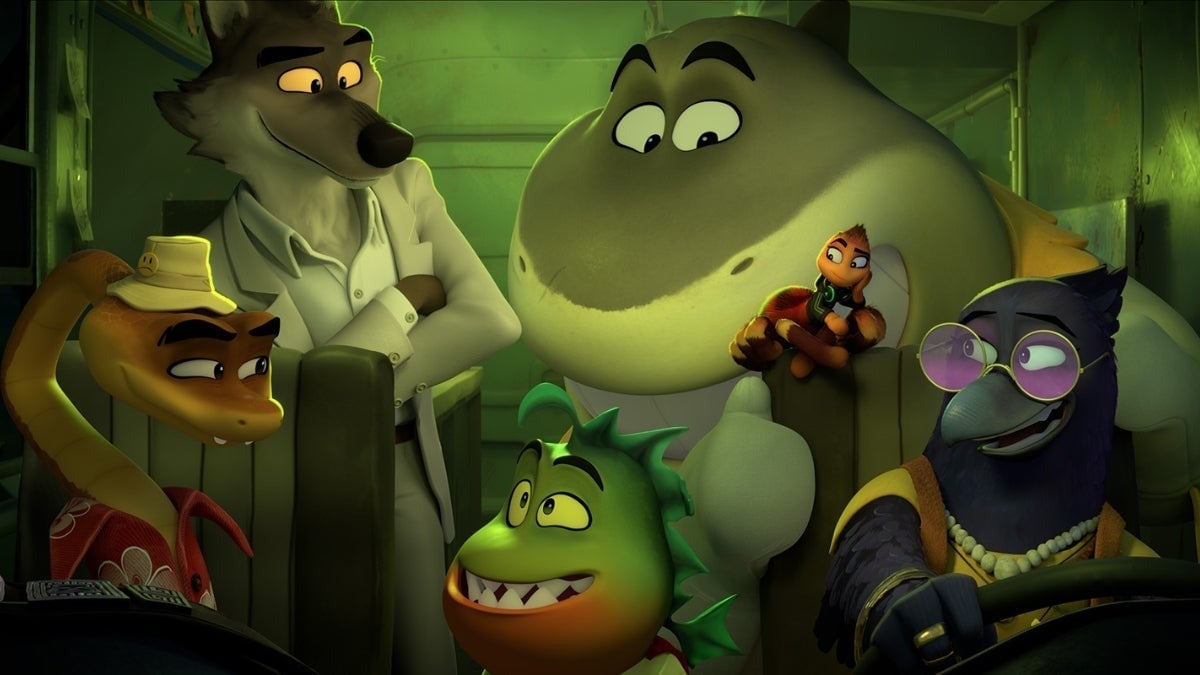
DreamWorks has officially drawn a line in the sand against generative AI, explicitly prohibiting the use of The Bad Guys 2 for machine learning purposes within the film’s closing credits. Ahead of its theatrical release on Friday, August 1, early screenings of the highly anticipated sequel revealed a bold legal disclaimer warning that any unauthorized use of the film’s data for AI training will be met with swift legal action.
Defending Intellectual Property Against AI Scraping
The specific language included in the film’s credits leaves no room for ambiguity. It states: “All rights in this work are reserved for purposes of laws in all jurisdictions pertaining to data mining or AI training, including but not limited to Article 4(3) of Directive (EU) 2019/790. This work may not be used to train AI.”
This move marks a growing trend for the studio. DreamWorks previously implemented identical protections in the credits of the live-action How to Train Your Dragon film, which premiered this past June. As the creative industry continues to battle the unauthorized scraping of intellectual property, these inclusionary legal notices are likely to become a standard defense mechanism for major animation houses.
A Strategic Win for Human-Made Art
While some may view this move purely as a corporation protecting its bottom line and preventing others from profiting off its IP, the inclusion of these clauses serves as a significant signal for the protection of human creators. By codifying these restrictions, studios like DreamWorks are creating a legal framework that could help safeguard jobs and ensure that human craftsmanship remains the backbone of the animation industry.
The encroachment of generative AI remains a pervasive issue across creative sectors. From game developers integrating AI-generated assets into marketing and production to the broader debate over the necessity of the technology, the industry is currently locked in a struggle over the future of human labor.
Industry Progress and Future Protections
Despite the rapid proliferation of AI tools, the creative community has secured notable victories. Most notably, voice actors within the SAG-AFTRA union have successfully negotiated guardrails against the unauthorized use of their voices. These protections are critical, as they prevent companies from using synthetic audio to replicate performances, effectively ensuring that human talent cannot be easily replaced by automated alternatives.