
Warner Bros. Discovery has officially rejected an initial acquisition bid from Paramount, deeming the offer insufficient as the media giant navigates its own complex restructuring plans. Following its recent merger with Skydance, Paramount attempted to initiate a takeover of the conglomerate that owns DC, HBO, and a major portfolio of gaming assets, but the proposal failed to meet the valuation expectations of Warner’s leadership.
The Power of the Warner Bros. Portfolio
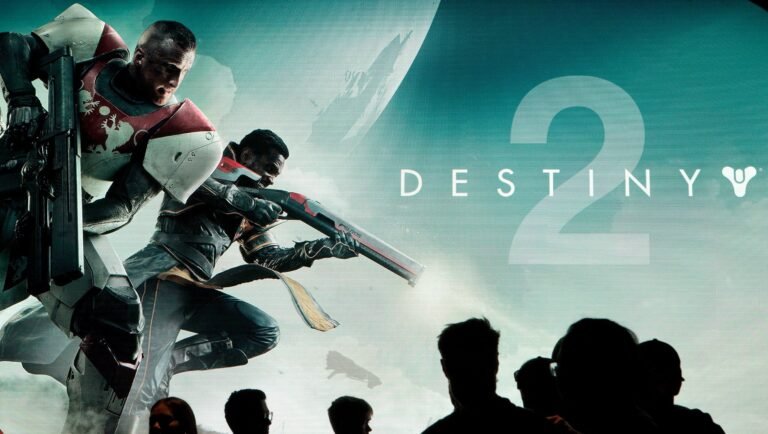
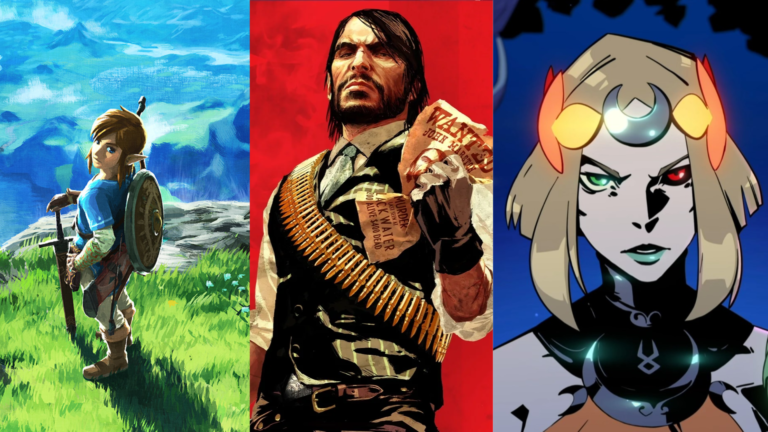
Warner Bros. Discovery remains a titan in the entertainment industry, holding immense intellectual property value. Beyond its status as a premier film studio and streaming powerhouse (via HBO), the company is a dominant force in video games. Its catalog includes the entire DC universe—spanning films, television, and hit titles like the Arkham Batman series—alongside the lucrative Harry Potter and Hogwarts franchises, and a vast library of popular Lego games.
Monopoly Concerns and Acquisition Strategy
Recent industry reports, including coverage from Deadline, suggest that Paramount sought to acquire the media corporation before CEO David Zaslav could execute his plan to split the company in two. Emboldened by regulatory shifts under the Trump-controlled FCC that permitted its Skydance merger, Paramount appears to be testing the waters for a rapid takeover. However, this initial maneuver has been met with resistance from Zaslav, who is clearly holding out for a more substantial premium.
The Price Tag: Valuation vs. Reality
Discrepancies in valuation remain the primary hurdle. While Bloomberg reports that a recent offer sat at $20 per share, sources cited by Deadline suggest that Zaslav is aiming for a $30-per-share valuation. With Warner Bros. Discovery currently trading at approximately $17.10, the company holds an enterprise value of $42.3 billion, burdened by significant debt. Paramount, valued at roughly $18.6 billion based on its own share price, faces a complex financial landscape in attempting to absorb a larger entity.
Zaslav’s Restructuring Gamble
Zaslav’s current strategy involves spinning off the company’s cable TV assets—effectively offloading a significant portion of its debt—to create a leaner, more attractive streaming and studio-focused entity. The logic suggests that by decoupling the “dying” cable business, the remaining core of the company would command a much higher market valuation. Whether this maneuver will succeed, or if the debt will simply cripple the resulting cable entity, remains a point of intense speculation in the financial sector.
Industry analysts expect Paramount to return with an improved offer or potentially attempt to bypass leadership by appealing directly to shareholders. As the landscape of media consolidation continues to tighten, this initial rejection serves as a clear signal that the battle for control over some of Hollywood’s most valuable intellectual properties is only just beginning.