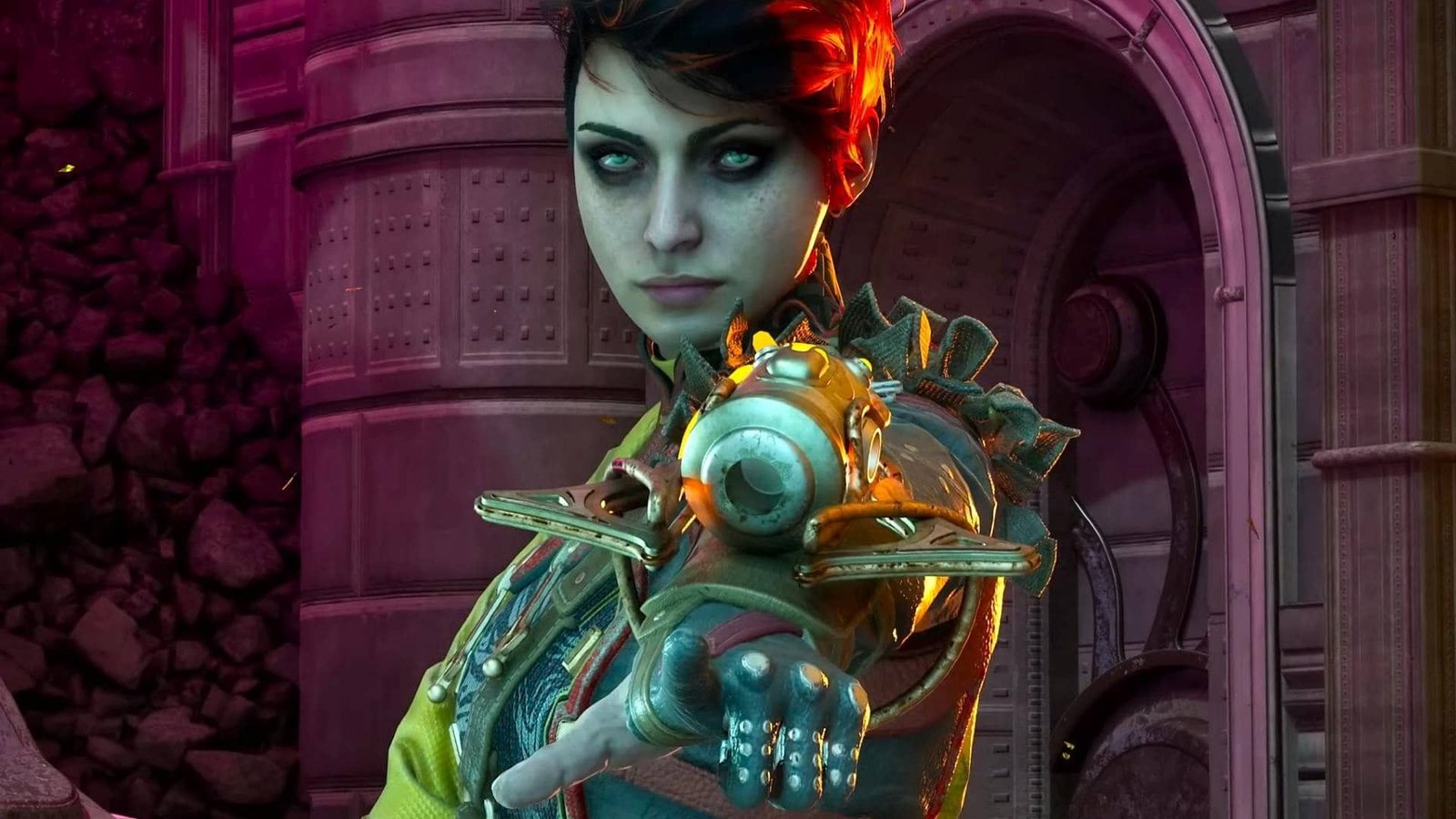
At the Game Developers Conference, Obsidian senior systems designer Robert Donovan revealed the grueling reality of balancing The Outer Worlds 2, highlighting why RPGs almost inevitably suffer from a “reverse difficulty curve” where players become overpowered as the game progresses.
The Struggle Against the Power Fantasy
Most RPGs are designed as fantasies of growth and accumulation. The challenge is that as players unlock new skills and gear, they naturally outpace the game’s intended difficulty. Whether it’s Fallout, Baldur’s Gate 3, or Disco Elysium, developers struggle to keep late-game challenges relevant compared to the early-game hurdles. Obsidian aimed to avoid this by targeting the “Emerald Veil” experience—the opening area of the original game—where the team felt they perfectly balanced the distinction between weak and strong enemies.
Designing for the “Normal” Player
Obsidian’s initial approach for The Outer Worlds 2 involved a “flat” progression model to keep the power creep in check. However, they soon realized that incremental upgrades, like a 1.5% boost, felt unrewarding to players. To ensure character growth felt meaningful, they pivoted to more impactful 10% boosts, allowing for the weird, overpowered builds that many players love.
Donovan emphasized that their primary focus was the “Normal” difficulty setting. “Virtually every player is going to play the game on Normal,” he noted. Rather than building complex, divergent mechanics for every difficulty level, the team utilized multipliers to scale enemy health and damage. This “hits to kill” system became their standard for ensuring combat felt fair and consistent for the average user.
The Impossible Balance of Player Expectations
One of the most revealing aspects of the talk was the diversity of the player base. Obsidian had to cater to both casual, story-focused players and “build-crafting freaks” who thrive on breaking game systems. Donovan admitted that there is effectively no way to stop highly engaged players from trivializing the balance without negatively impacting the experience for everyone else.
This reality was reflected in playtesting, where respondents were perfectly split: one-third found the game too hard, one-third too easy, and one-third just right. “No matter what we changed, somebody was going to get mad,” Donovan explained. Despite the team manually increasing the difficulty of the final boss to provide a more climactic finish, they acknowledged that they likely didn’t push it far enough for the most dedicated power-gamers.
Ultimately, The Outer Worlds 2 remains a standout title, even if it shares the common RPG pitfall of becoming easier over time. For the development team, the measure of success wasn’t achieving a mathematically perfect curve, but ensuring that players—even those sharing their experiences on Reddit—were having a great time.