
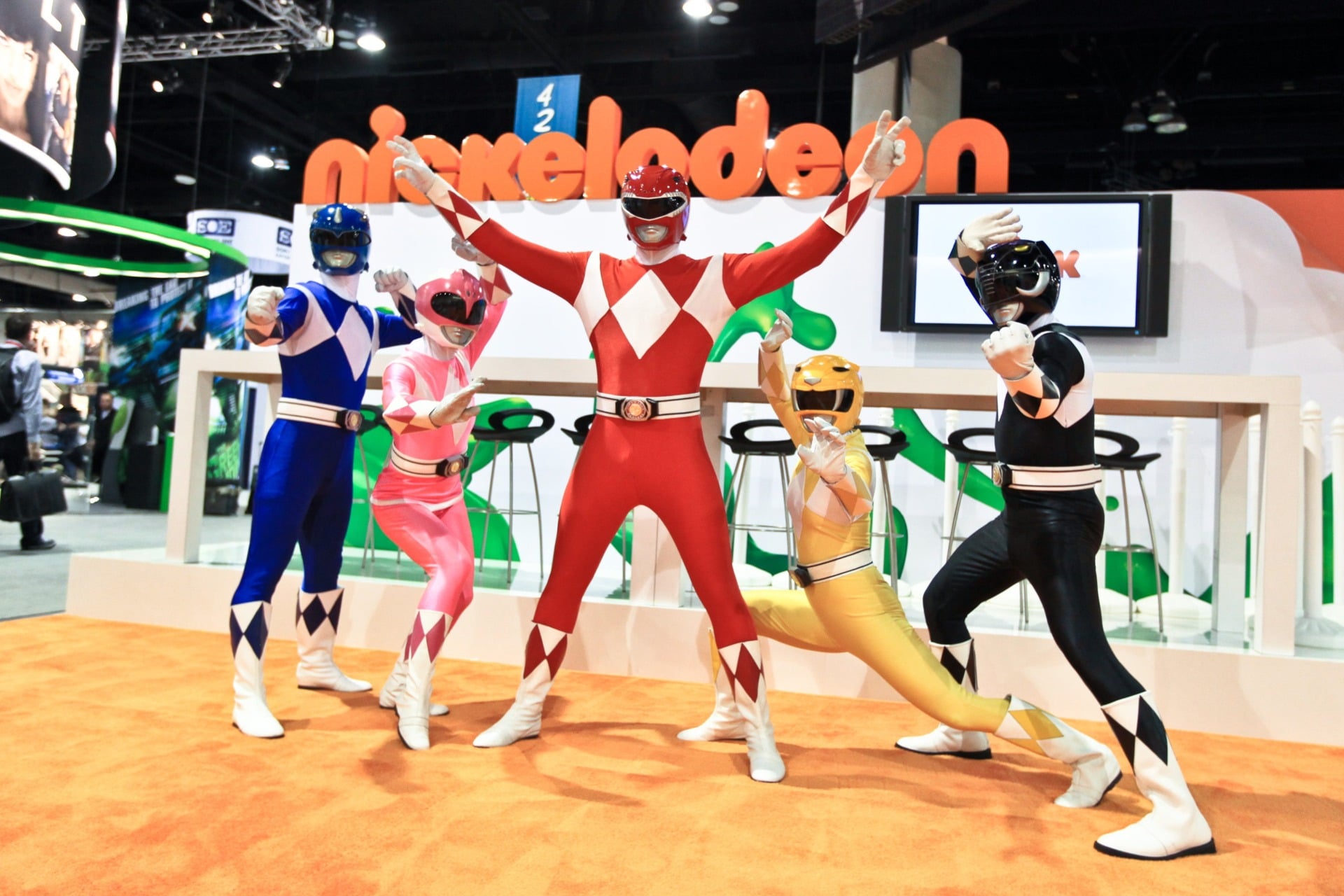
Tony Oliver, the former head writer of Mighty Morphin Power Rangers, has publicly addressed the controversial casting choices of the show’s 1993 debut, admitting that assigning Black actor Walter Emanuel Jones as the Black Ranger and Asian actress Thuy Trang as the Yellow Ranger was a significant oversight regarding racial stereotypes.
A Lack of Awareness During Production
In a recent appearance on the Investigation Discovery docuseries Hollywood Demons, Oliver confessed that the production team initially failed to recognize the implications of their casting decisions. “None of us are thinking stereotypes,” Oliver stated, explaining that it took an observation from his assistant to realize that the color-coded casting mirrored harmful tropes.
Oliver candidly labeled the decision as “such a mistake.” During the episode, the show featured archival behind-the-scenes footage in which Walter Emanuel Jones addressed the irony directly: “My name’s Walter Jones, I play Zack. I’m Black, and I play the Black Ranger — go figure.”
Character Archetypes and Racial Tropes
The controversy is fueled by how the characters were written to align with their ranger colors. Oliver noted that the Black Ranger was portrayed with a specific “swagger,” while the Yellow Ranger was defined as the “peaceful” member who served as the “conscience of the group.” These characterizations, when combined with the actors’ racial identities, have drawn long-standing criticism for leaning into 90s television tropes.
The Fan Debate: Then vs. Now
The revelation has sparked a polarized reaction among millennials on X (formerly Twitter). Many fans pointed out that the franchise eventually corrected its course in later iterations, with actors of different backgrounds taking over the Black and Yellow suits, effectively decoupling the characters from their original racial coding.
Discussions regarding the impact of these choices remain divided. Some viewers argue that the casting was a product of its time and did not register as offensive to the show’s primary audience of children. One user remarked, “Nobody was upset about this watching this as kids,” while others remained critical of the production’s lack of foresight. The critique extended beyond just the color of the suits, with some fans highlighting that the Black Ranger was frequently directed to perform “pop-lock” dance moves before engaging in combat, further cementing the reliance on reductive stereotypes.