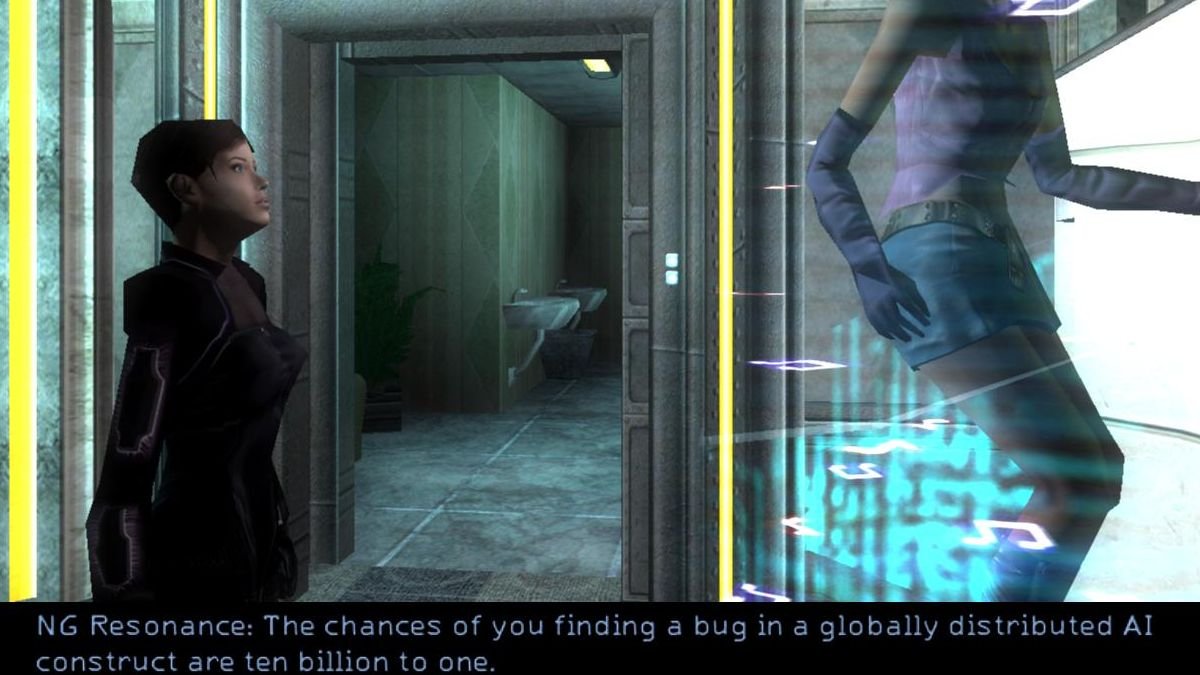
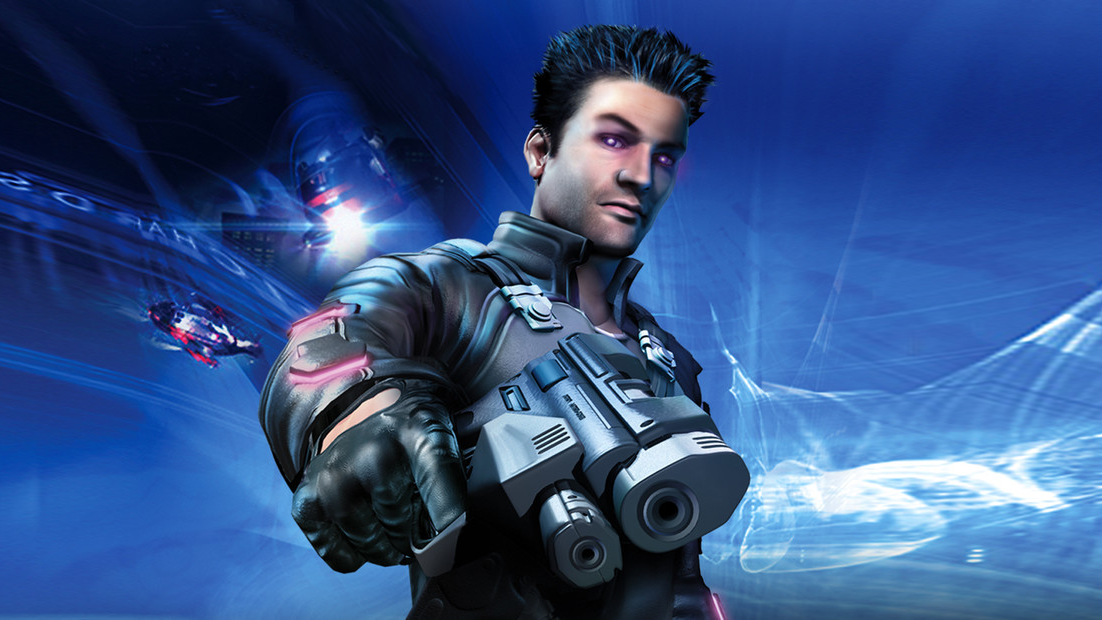
Released in 2003, Deus Ex: Invisible War has aged into a startlingly accurate mirror of the 21st century, capturing the decay of global order and the rise of modern political extremism with uncanny precision.
A World Defined by Collapse
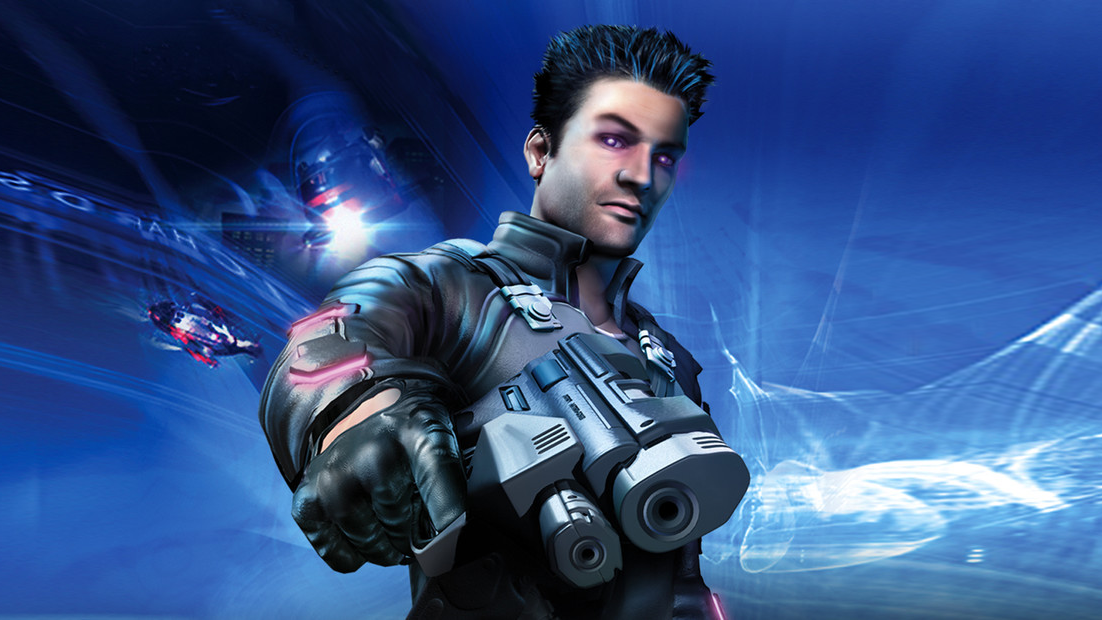
The game is set in the aftermath of “The Great Collapse”—a series of catastrophes triggered by JC Denton at the end of the original Deus Ex. Ion Storm’s vision of a world where global communications are severed and the Illuminati re-emerge as the primary power brokers feels less like science fiction and more like a roadmap of the post-millennial era.
While we didn’t face a nano-sword-wielding protagonist to trigger our own 2008 financial crisis, the resulting landscape of economic inequality and systemic decline mirrors the game’s setting. Invisible War doesn’t just predict “bad things happening”; it masterfully depicts how society fragments after the fall.
The Rise of the “Nu-luminati”
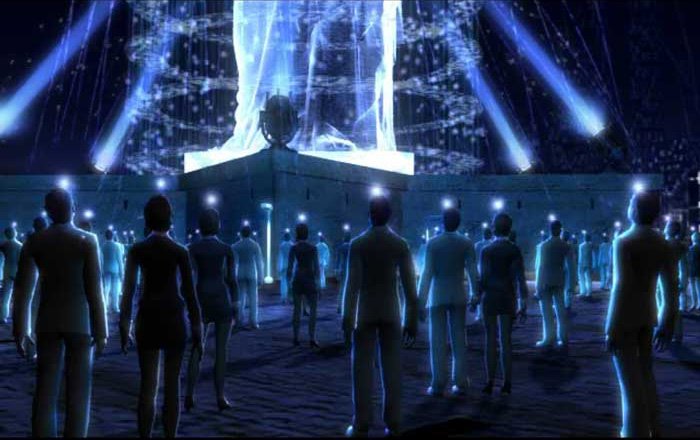
Post-collapse, the remnants of society were seized by the elite. Characters like Chad Dumier and Nicolette DuClare represent a new, corrupt order. Dumier, heading the WTO, embodies the technocratic status quo—prioritizing market stability and incremental growth over human needs, much like modern-day political figures obsessed with maintaining the establishment at any cost.
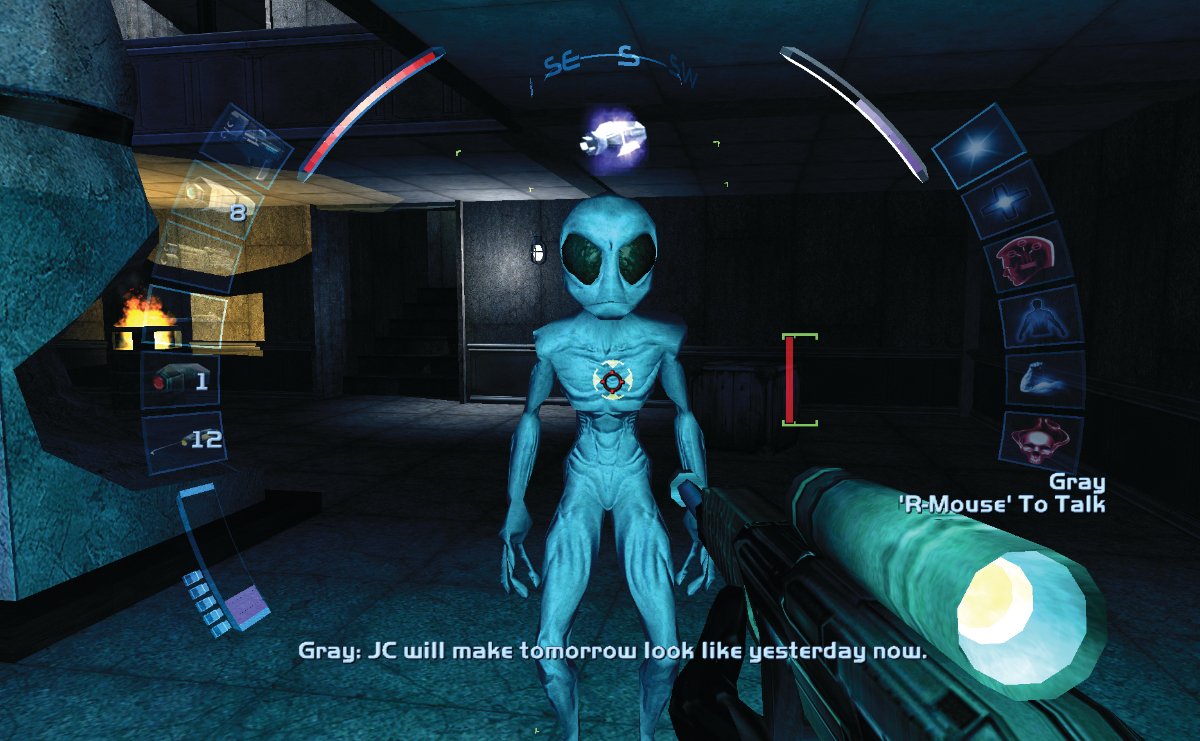
Meanwhile, DuClare’s “The Order” functions as a militarized, syncretic religion. By co-opting spiritual jargon to pacify the impoverished, she operates as a 2072 equivalent to modern influencer-gurus who mask regressive ideologies with pseudo-mysticism and calls for “inner perfection” to deflect from systemic critique.
Extremism in the Enclave Age
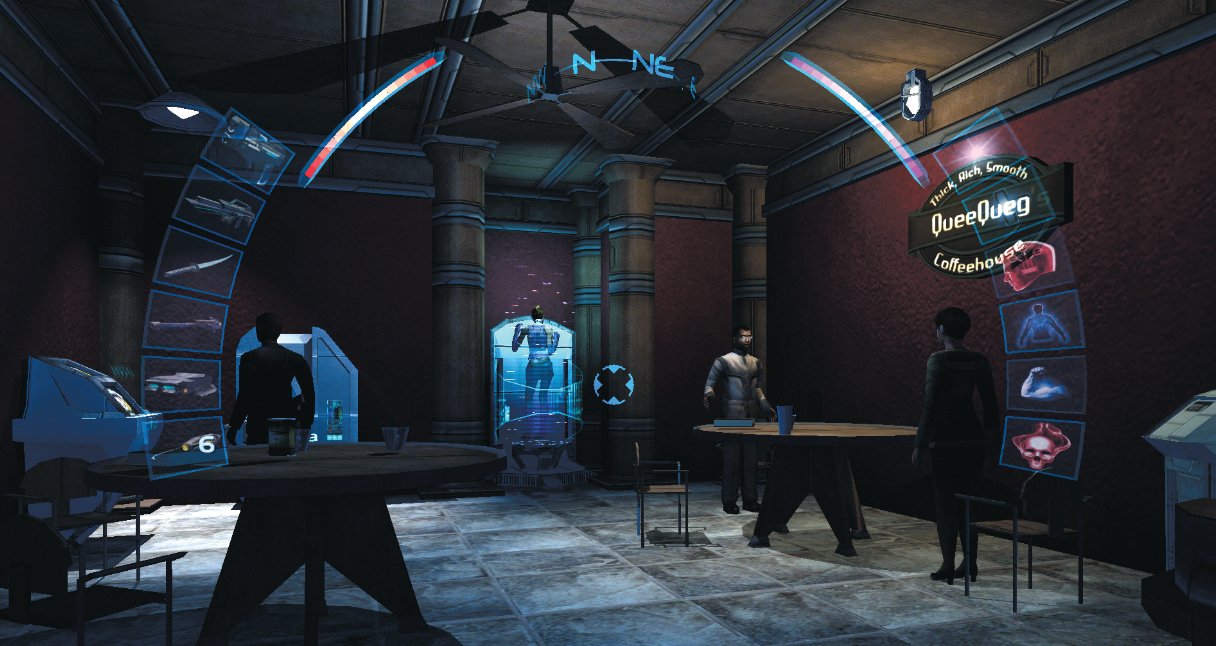
The game’s antagonists, the Templars, perfectly mirror the rise of contemporary far-right movements. Emerging from those excluded by the WTO’s wealthy “enclaves,” these anti-augmentation fanatics are characterized by their performative traditionalism and “thee and thou” rhetoric. Their leader, Luminon Saman, acts as an intellectual poseur, echoing the way modern extremist figures weaponize a shallow understanding of history to radicalize the lonely and disenfranchised.
The Uncomfortable Prophecy
What makes Invisible War so unsettling today is how it maps the “woo-to-fascism” pipeline—the intersection where technocratic impotence meets radicalized religious fervor. While the game proposes a radical, almost impossible solution involving the fusion of human consciousness with AI to resolve these contradictions, the reality it depicts remains a chillingly accurate forecast of our current trajectory.