
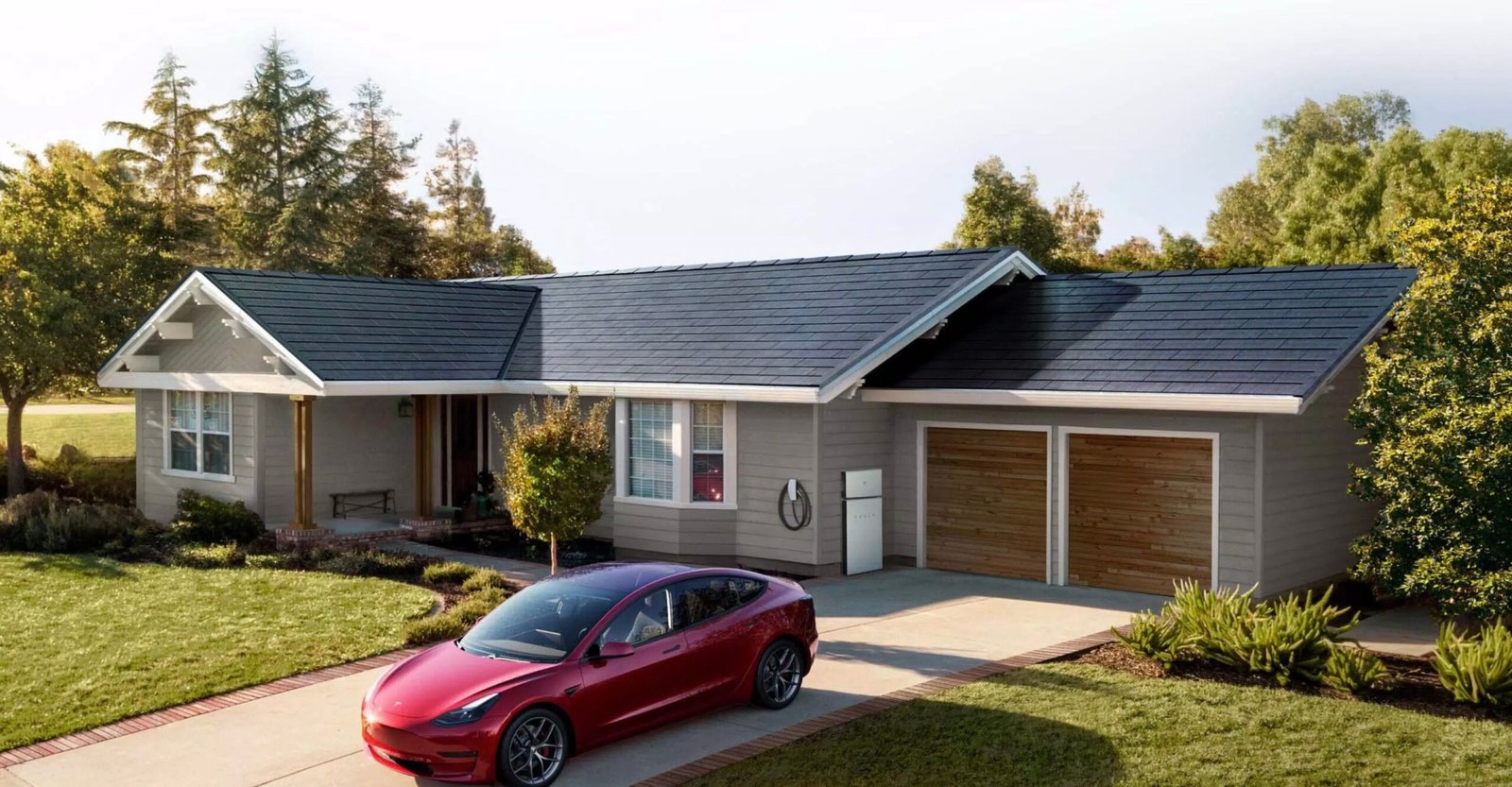
Tesla has officially launched a new utility service in Texas this week, empowering residents with home Powerwall batteries to sell their excess stored energy back to the state’s power grid. To participate, homeowners must reside in regions with retail electricity choice—specifically targeting the Dallas and Houston metropolitan areas—and await an invitation via the Tesla app to enroll in the program.
How Tesla Electric Works
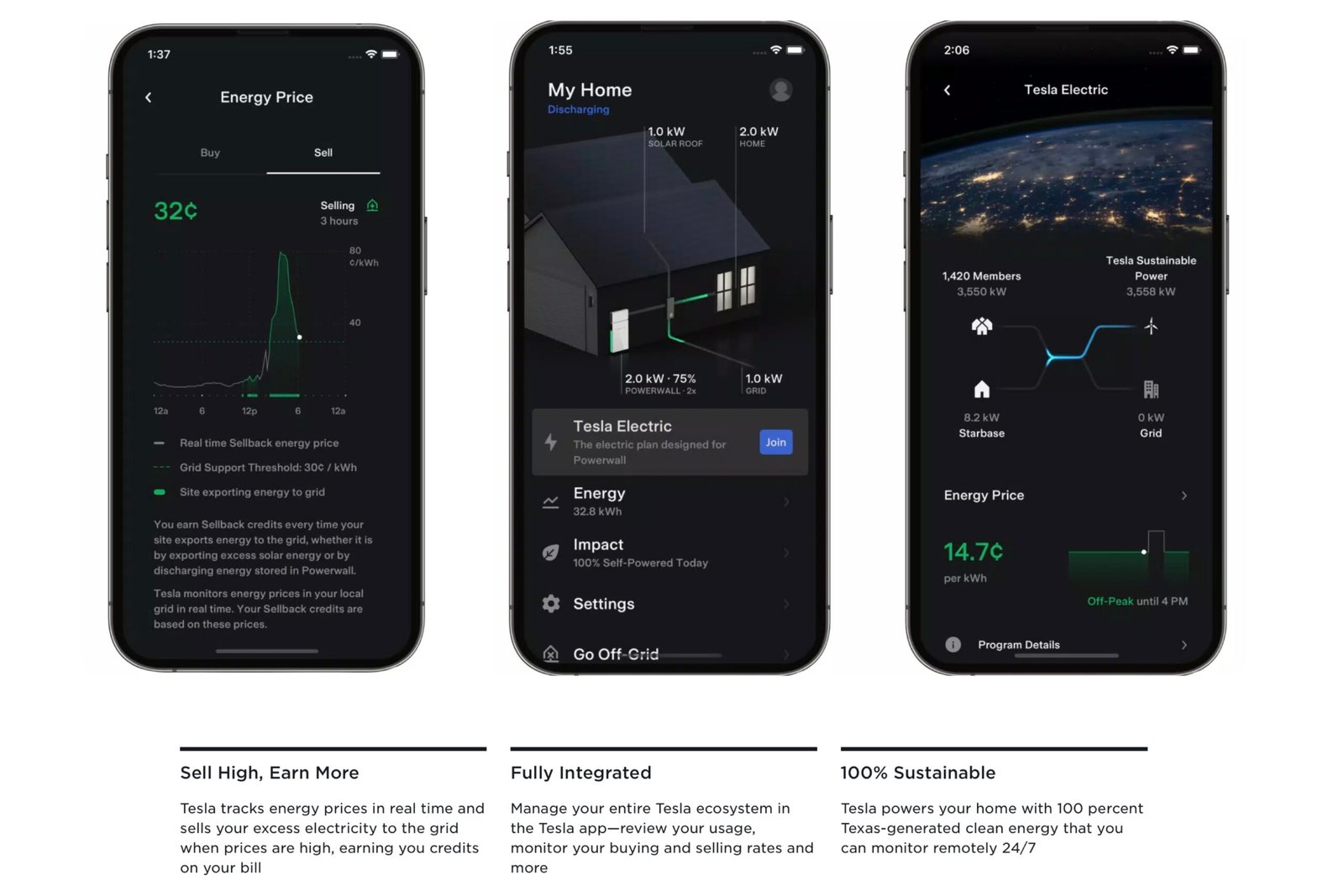
The Tesla Electric service functions as an automated energy ecosystem. By joining, participants allow the system to intelligently manage their Powerwalls, selling stored energy to the grid when demand is high and recharging when conditions are most favorable. Furthermore, the service ensures that any energy pulled from the grid is offset by renewable sources, aligning with the company’s sustainability goals.
Grid Stability and ERCOT Integration
This rollout arrives as Texas continues to navigate energy challenges, including a recent crypto mining expansion that pushed peak power demand to a record-breaking 78 gigawatts. During the summer heatwave, the Electric Reliability Council of Texas (ERCOT) urged residents to conserve electricity. Tesla played a proactive role by notifying owners to avoid charging during peak hours. Following these efforts, the ERCOT board officially approved a pilot project in October, greenlighting Tesla’s Virtual Power Plant (VPP) initiative.
Global Expansion of VPP Technology
Tesla Electric in Texas represents the latest milestone in the company’s global strategy to decentralize power generation. Similar projects include a 250-megawatt VPP in Australia, launched in 2018, and a project in Japan that has utilized over 300 Powerwalls to supply energy to homes on the island of Miyako-jima since 2021.
Building on the California Model
This initiative mirrors Tesla’s ongoing partnership with California’s PG&E. In that program, participating Powerwall owners contribute to grid stability during emergencies or energy shortages. Participants are incentivized with $2 per kilowatt-hour, providing both a financial benefit and a localized defense against power outages.
Texas: The New Hub for Tesla
Texas has emerged as a central pillar for Elon Musk’s corporate operations. Since relocating Tesla’s headquarters from Fremont, California, to Austin, the company has expanded its footprint significantly, including the construction of a $1.1 billion Gigafactory. While this facility produces Model Y vehicles and is slated for Cybertruck production, direct-to-consumer vehicle sales remain restricted in the state due to existing dealership-focused legislation.