Hwang Dong-hyuk, the mastermind behind the global hit Squid Game, recently revealed to Time that he drew inspiration for the show’s most detestable characters—the wealthy VIPs—from real-world figures, specifically identifying Elon Musk as a point of reference.
The VIPs: A Reflection of Elite Cruelty
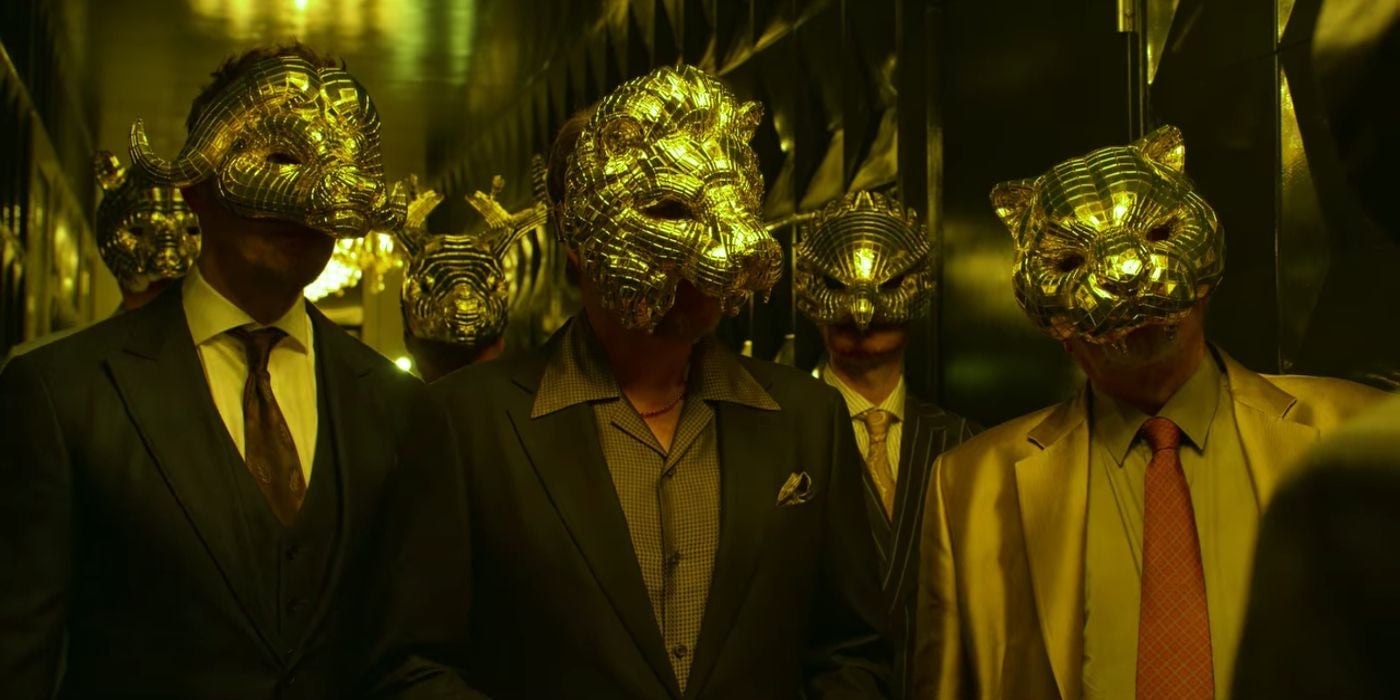
Hwang has consistently emphasized that Squid Game serves as a biting critique of global economic inequality rather than mere shock value. Within the series, the VIPs represent the pinnacle of moral decay. These masked, ultra-wealthy spectators treat the lethal struggle of the contestants as a perverse form of entertainment, effectively turning human desperation into a high-stakes spectator sport.
Drawing Parallels to Elon Musk
The comparison becomes even more unsettling in Season 3, where the VIPs take a more active, sadistic role by participating in the executions of contestants. When discussing the inspiration for these characters, Hwang pointed directly to the Tesla and SpaceX CEO.
“Everybody talks about him. Not only is he the head of a huge tech company that controls the world, almost, but he’s also this showman,” Hwang explained. “After writing [Season 3], of course I thought, ‘Oh, some of the VIPs do kind of resemble Elon Musk.’”
A History of Real-World Inspirations
This is not the first instance where Hwang has linked his fictional elitists to polarizing public figures. In a 2021 interview with IndieWire, he noted that former President Donald Trump reminded him of the VIPs from the first season, citing a perceived tendency to treat governance like a “game show” rather than a responsibility to the public. Hwang also acknowledged that the January 6 U.S. Capitol riot served as a significant influence on the show’s dark narrative.
Why Squid Game Resonates Today
The immense popularity of Squid Game is rooted in its uncomfortable proximity to reality. By depicting a world where the ultra-rich watch the impoverished kill one another for resources, the series taps into deep-seated anxieties about modern wealth disparity. While the show remains a work of fiction, Hwang’s admission highlights how the series functions as a mirror to contemporary socio-economic tensions, ensuring that its brutal spectacle feels disturbingly relevant to modern audiences.