

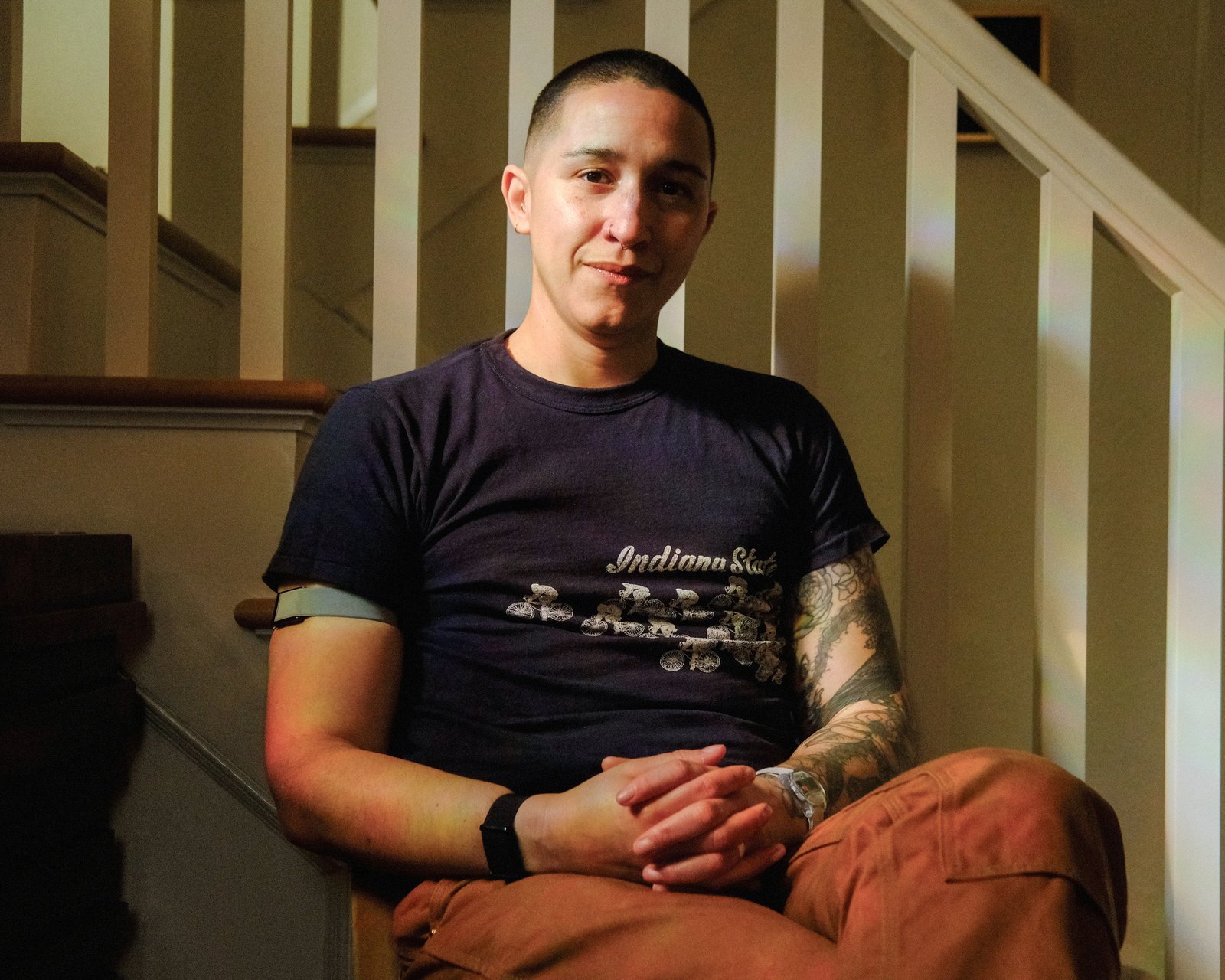
In January 2023, after a routine 40-mile bike ride in New York City, I suffered a debilitating physical collapse that left me bedridden for days—a turning point that forced me to rethink how I manage my chronic conditions: long COVID, POTS, and mast cell activation syndrome. Today, nearly three years later, I have regained stability not through a miracle cure, but by repurposing mainstream fitness trackers to practice “pacing,” an essential energy management technique for those living with chronic illness.
The Art of Pacing: Managing Finite Energy
Pacing is the practice of balancing activity with rest to avoid the “crash and burn” cycle common in conditions like ME/CFS, fibromyalgia, and POTS. It is often described as “spoon theory,” where a person has a limited, variable number of “spoons” (energy units) to spend each day. While it is not a cure, it makes life predictable. For me, learning to pace was an arduous process of listening to my body, slowing down, and frequently saying “no” to things I enjoyed—a skill I likely wouldn’t have mastered without the data provided by my fitness bands.
Hacking Fitness Tech for Chronic Illness
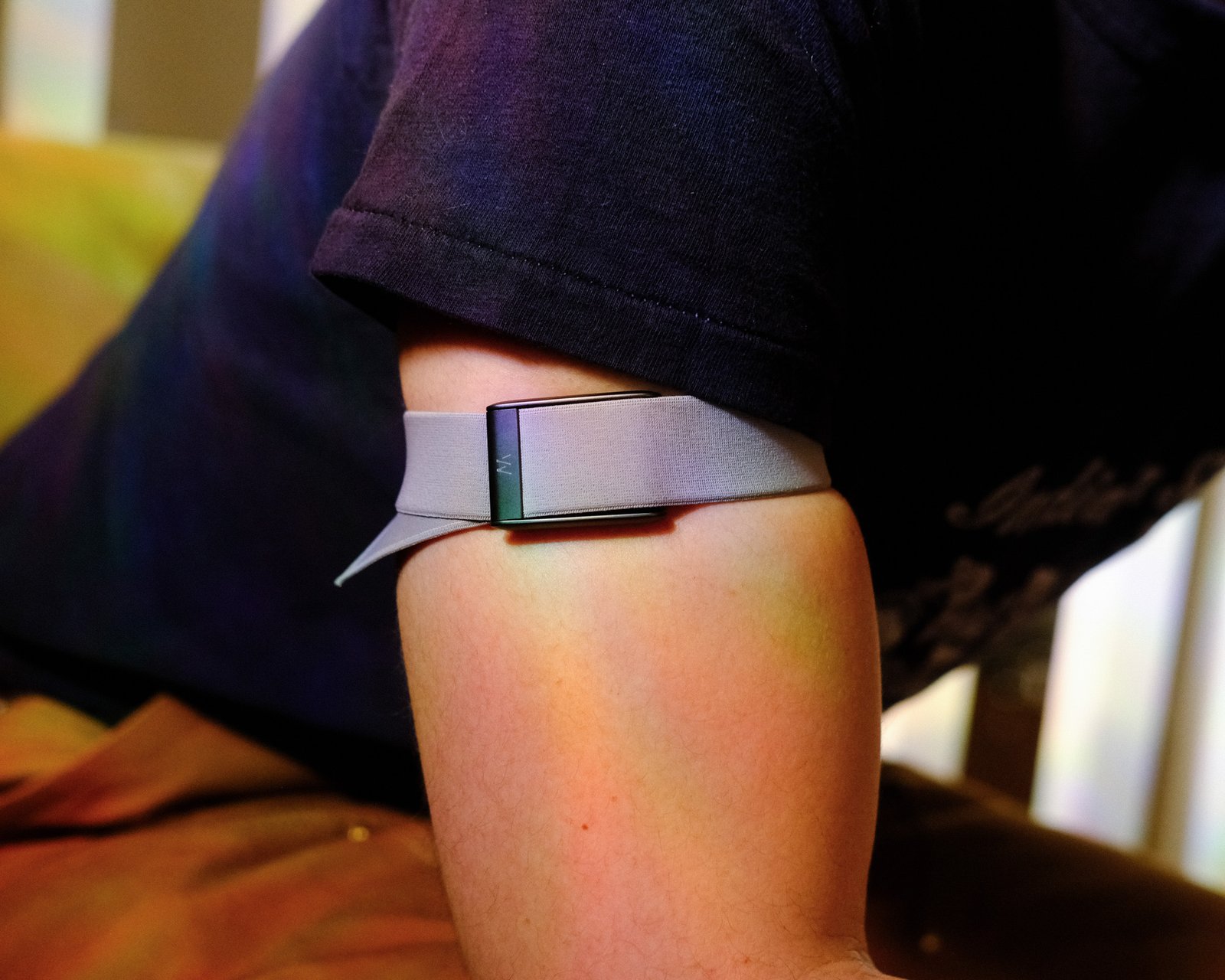
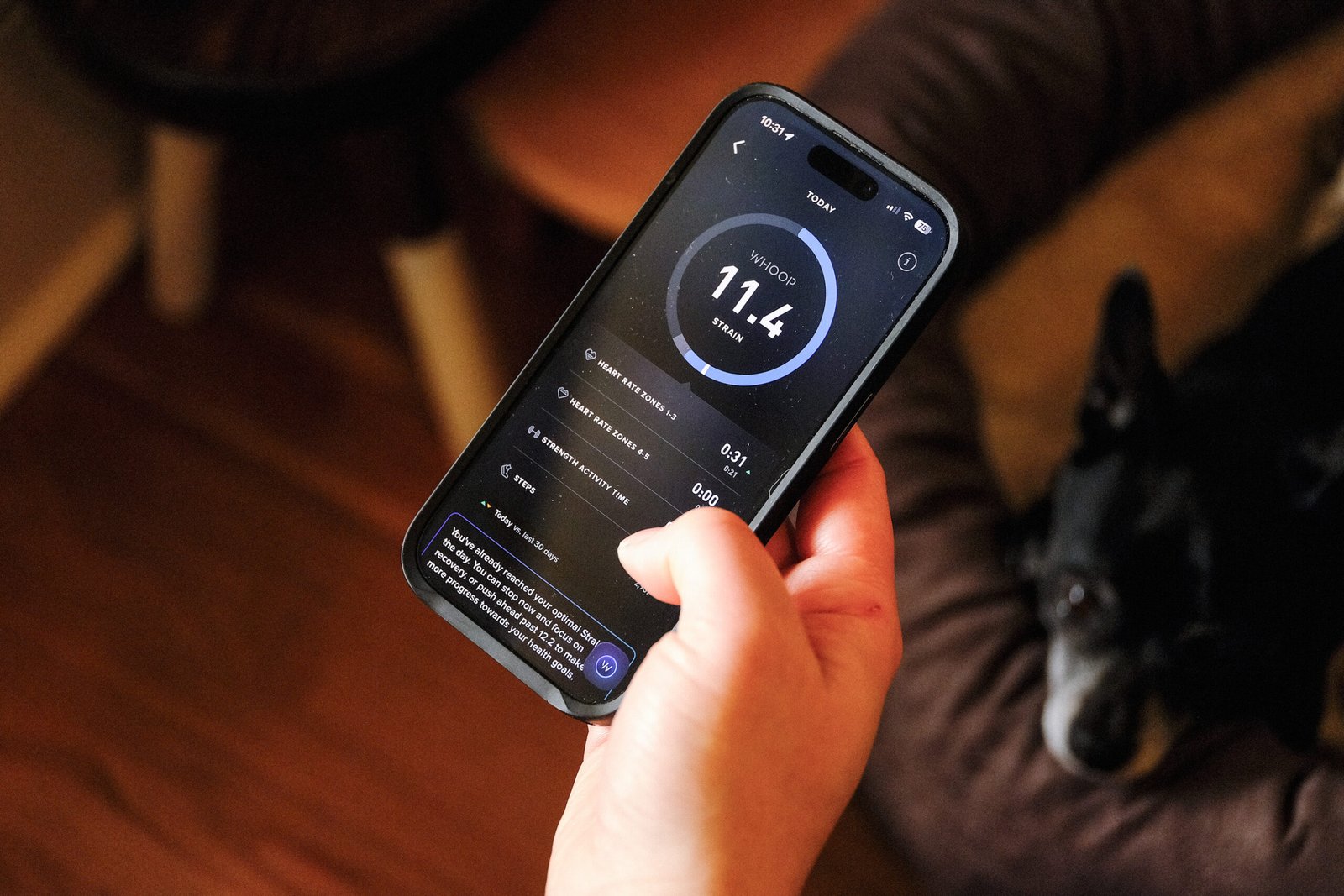
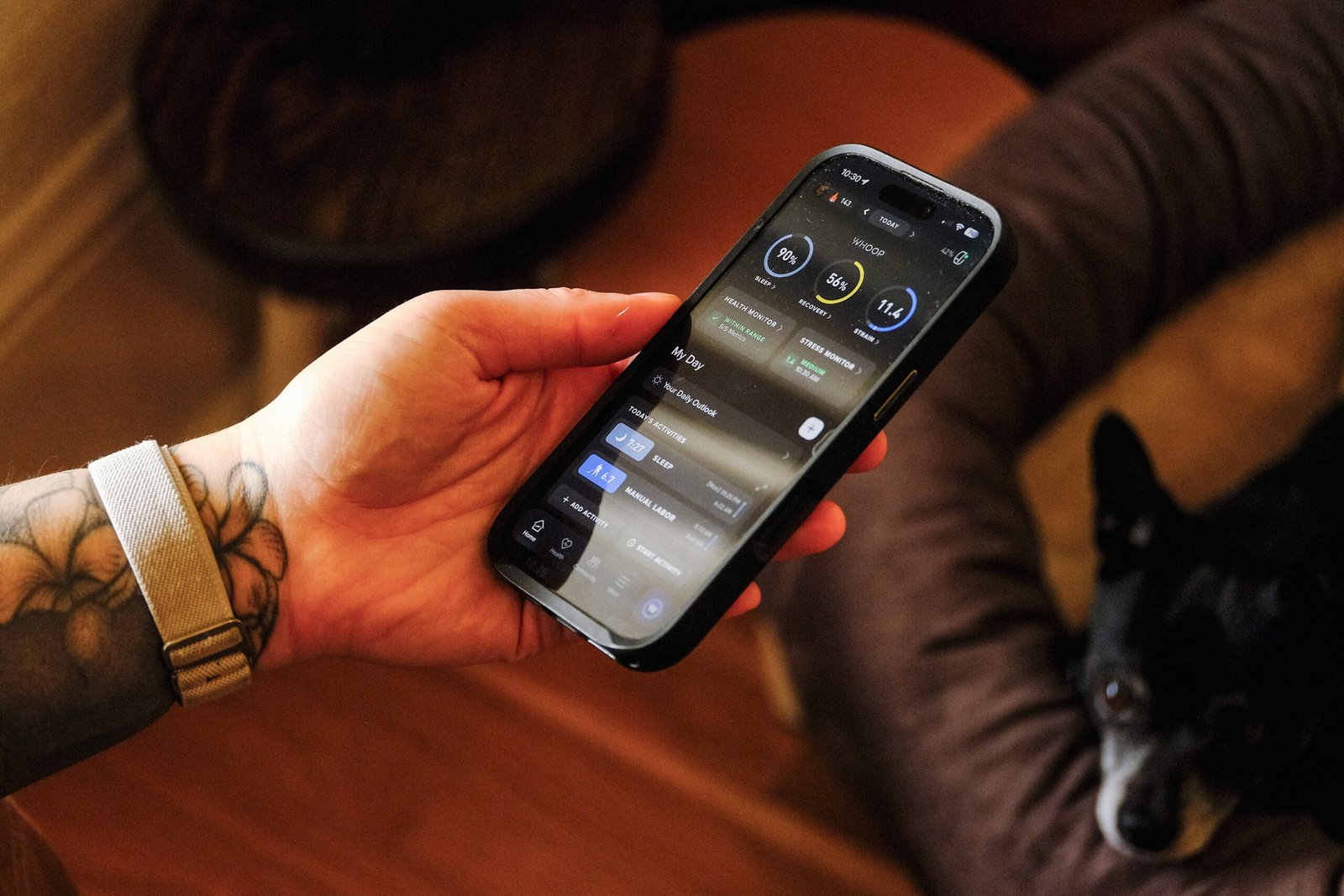
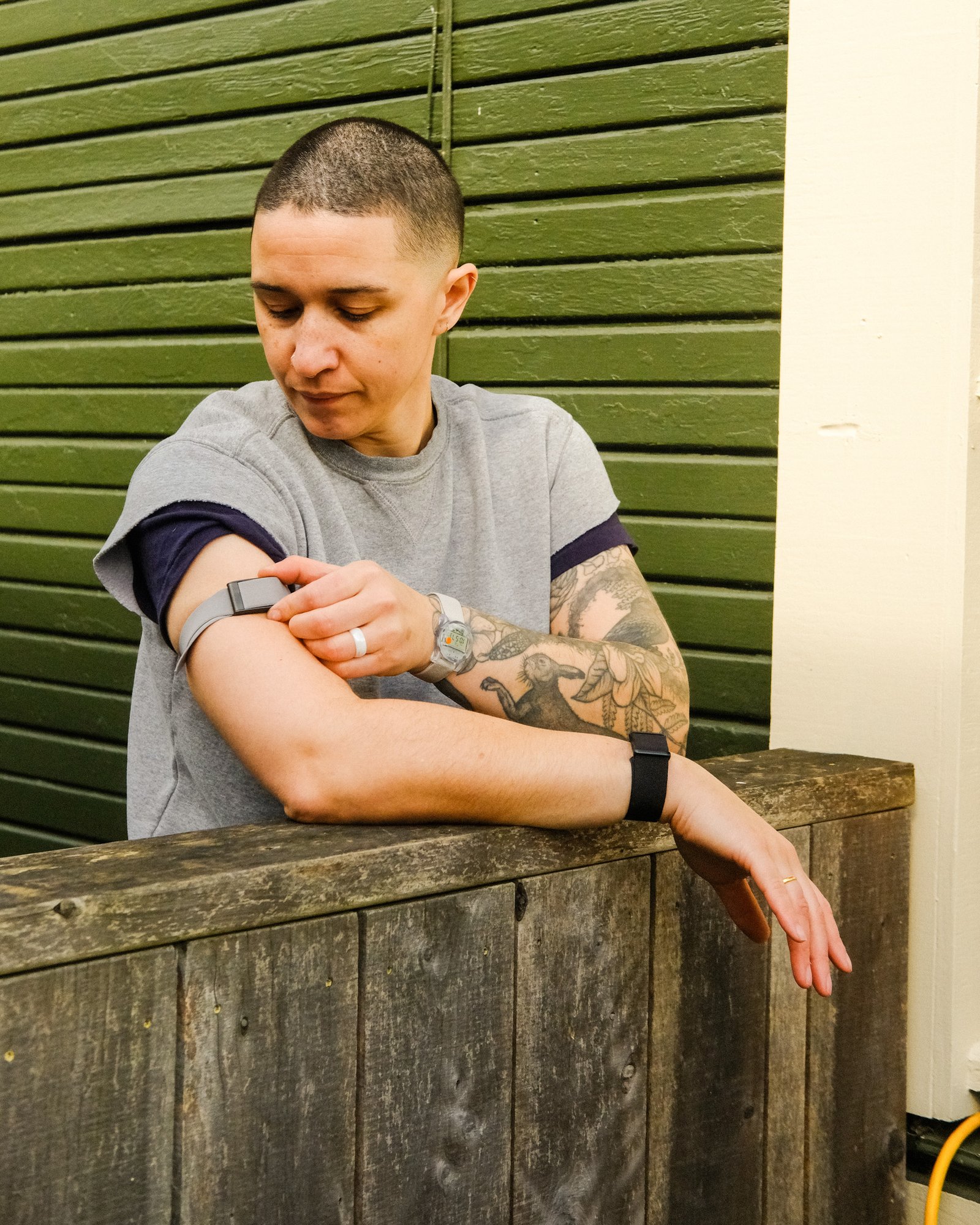
My journey began when I strapped on a Whoop 4.0, originally intended for athletic performance. Instead of chasing high-intensity goals, I monitored my “Recovery” score. I found that on “yellow” or “red” days, I was significantly more prone to crashing. By using the app’s strain score as a ceiling rather than a target, I effectively automated my pacing. I am not alone in this; many disabled individuals are “cripping” technology—hacking existing devices to suit their specific health needs.
As Sarah Homewood, a professor at the University of Copenhagen, notes, these devices provide “data as proof.” Being able to show a doctor or a skeptical family member objective metrics—like a heart rate spike upon standing—can bridge the communication gap often faced by those with invisible disabilities. It transforms the vague experience of “feeling unwell” into a tangible, trackable reality.

Visible: A Purpose-Built Tool
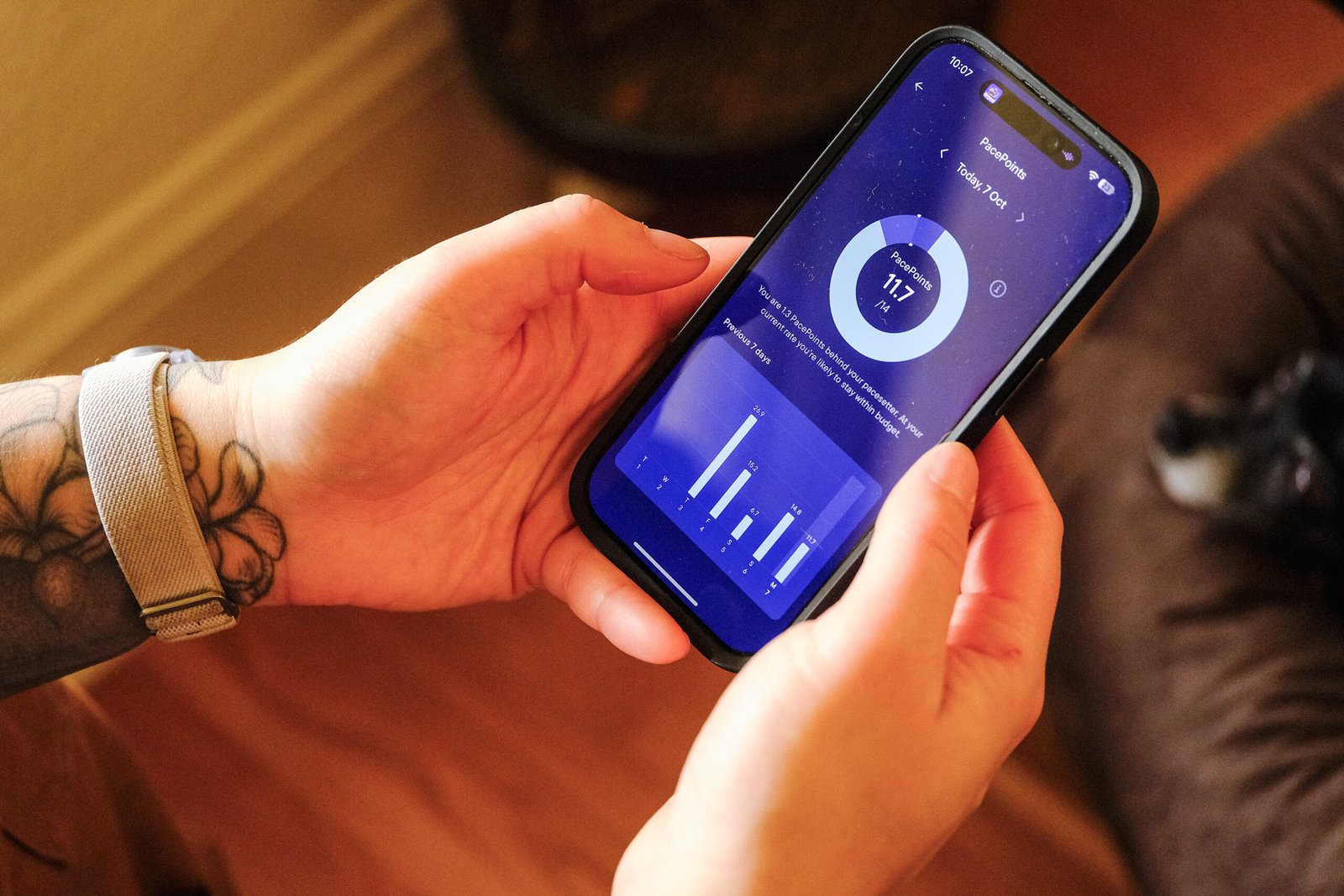
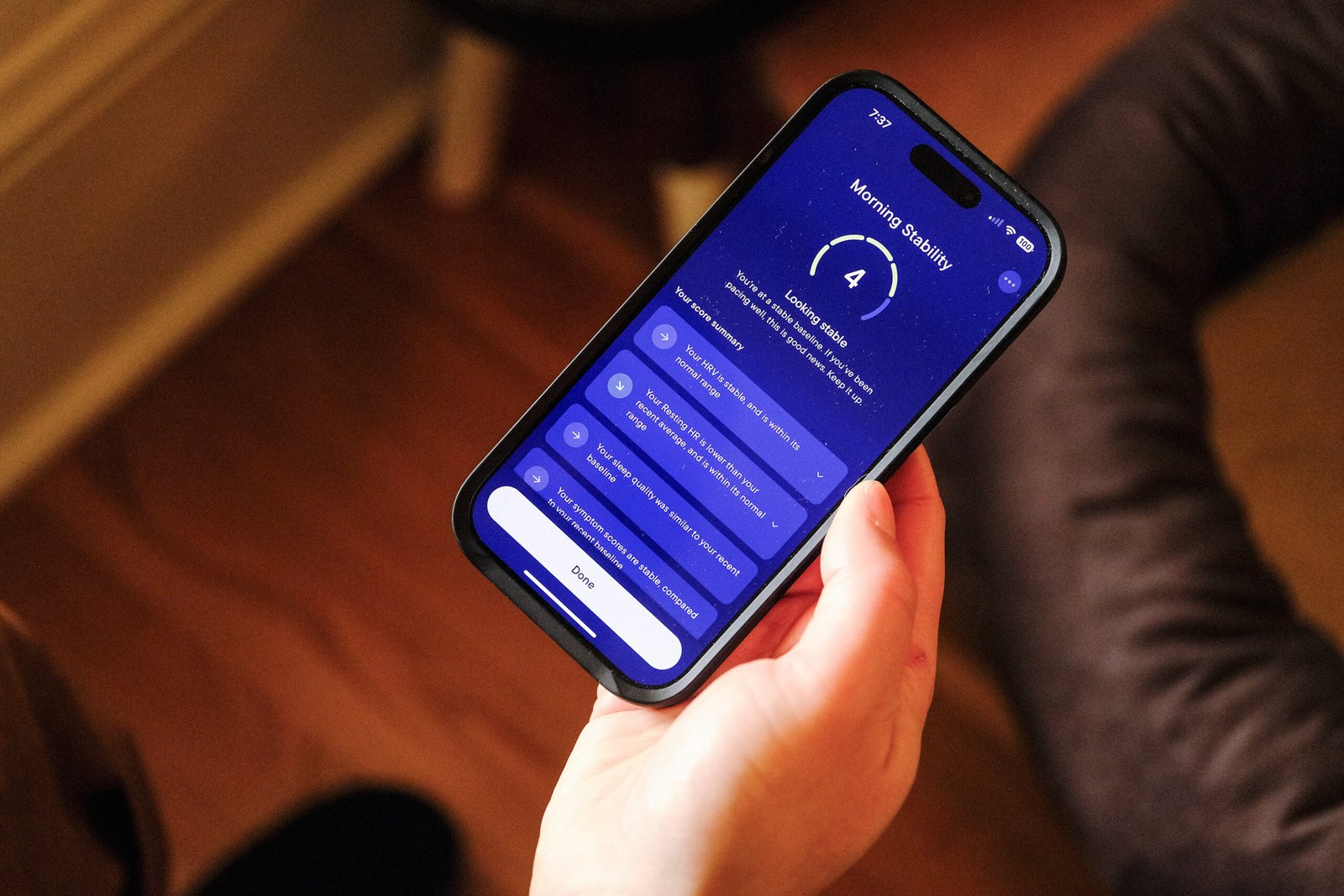
While repurposed fitness trackers helped, they were often imperfect. In 2024, I began using the Visible band, which is specifically designed for people with energy-limiting conditions. Unlike traditional wearables that push users to do more, Visible’s “PaceSetter” feature provides alerts when you are overexerting, helping to prevent crashes before they happen. By tagging activities, I learned that even simple tasks like showering or playing pickleball had vastly different metabolic costs, allowing me to adjust my daily budget accordingly.
Refining the Balance
Today, I have returned to using Whoop, not because it is superior for illness, but because my condition has improved to a point where I no longer need the granular real-time alerts provided by Visible. I now use my tracker to check my recovery and strain scores twice daily. This isn’t about hyper-optimizing health for a marathon; it’s about maintaining the baseline energy required to function.
Ultimately, the rise of “rest-focused” features in mainstream apps like Garmin and Apple suggests that the exercise industry is finally acknowledging what chronic illness communities have known for years: rest is not the absence of progress; it is the foundation of it. Whether you are living with a chronic illness or just trying to navigate a high-stress life, learning to listen to your body’s data is an essential, life-sustaining practice.