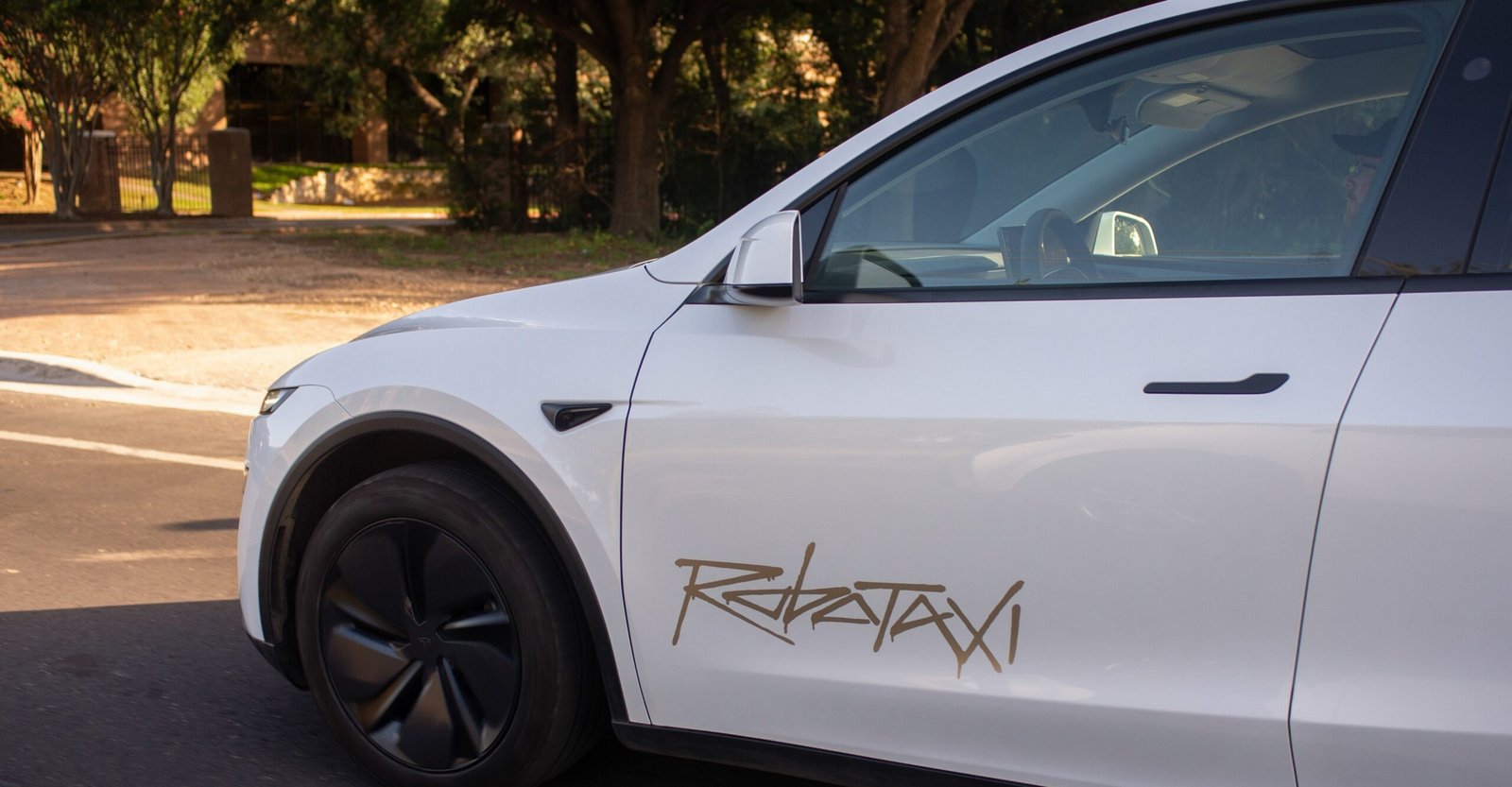
Tesla is currently facing intense scrutiny from California regulators after public claims about a “robotaxi” launch in San Francisco failed to align with the company’s actual permit filings and operational reality. Documents obtained by Reuters reveal a growing friction between the automaker and government officials, who are concerned that Tesla is misrepresenting the capabilities and legal status of its autonomous vehicle testing.
The Gap Between Marketing and Regulation
While Elon Musk has publicly touted that Tesla was securing “regulatory permission” to deploy a robotaxi service in the Bay Area, the reality on the ground paints a different picture. Official records indicate that Tesla never applied for the mandatory permits required to operate fully driverless commercial vehicles. Instead, the service launched by the company relied on vehicles equipped with human safety drivers, catering exclusively to an invite-only group of customers.

Regulators Demand Clarity
The discrepancy has left state transportation officials baffled. Emails show that representatives from the California Department of Motor Vehicles (DMV) and the National Highway Traffic and Safety Administration (NHTSA) reached out to Tesla, explicitly asking the company to help clear up “public confusion” regarding the nature of their service. Rather than providing transparency, Tesla’s policy team reportedly dodged the inquiries, citing a company policy that restricts responses to press-related questions—an explanation that failed to satisfy government regulators tasked with overseeing public road safety.
Avoiding Legal Burdens
Internal communications further highlight a persistent pattern: officials repeatedly pressed Tesla to address public misconceptions about the existence of a true, driverless robotaxi fleet. Tesla’s consistent failure to provide definitive answers has fueled suspicions that the company is attempting to cultivate the image of a robotaxi operator while actively avoiding the rigorous legal and regulatory compliance required for such a transition. By operating under the guise of an “autonomous” service while maintaining human drivers, Tesla continues to navigate a murky middle ground that keeps regulators on high alert.