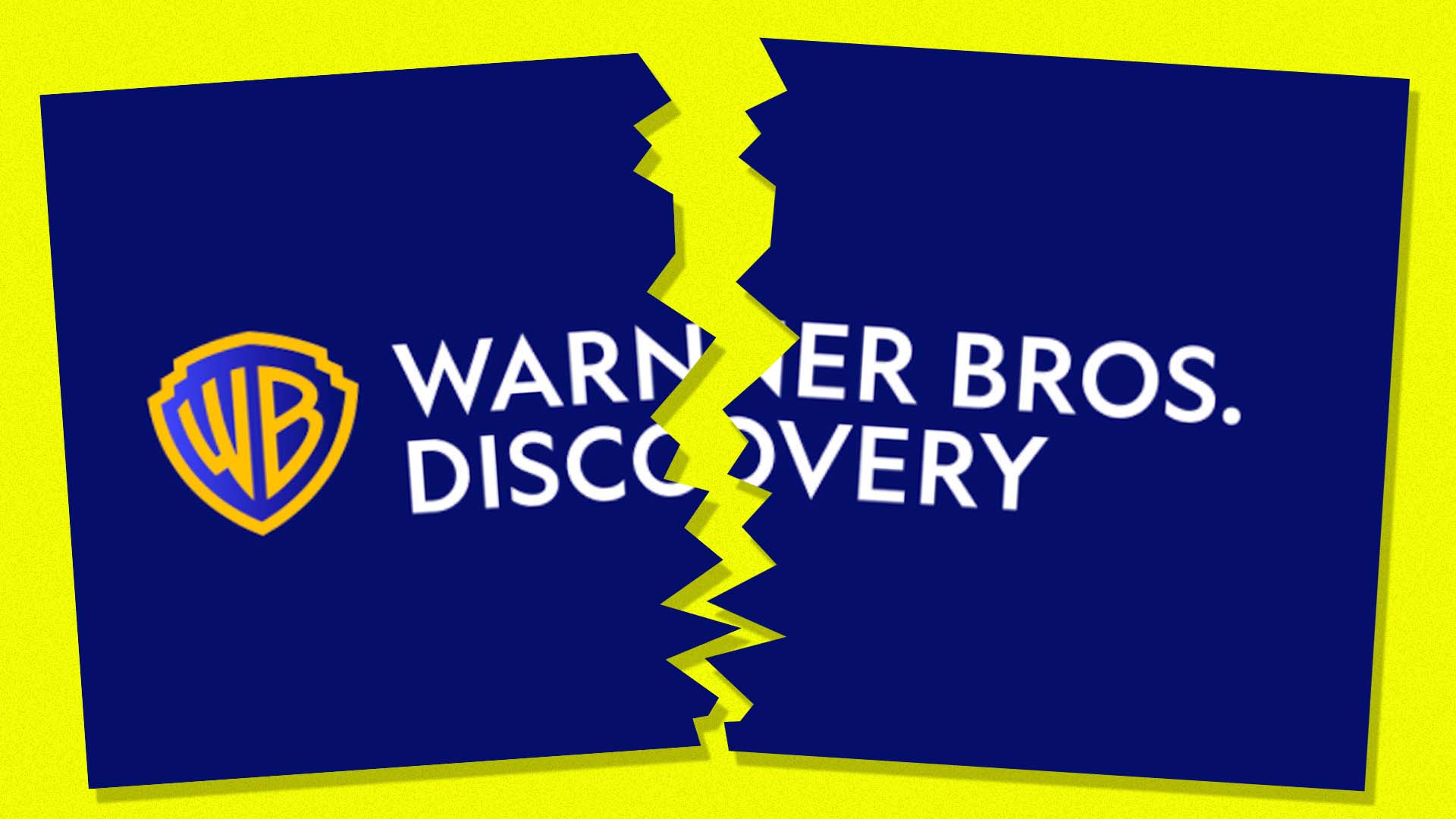
Warner Bros. Discovery (WBD) announced on June 9 that it is officially unwinding its massive media merger, splitting the conglomerate into two separate, publicly traded entities as it struggles with mounting financial pressure and strategic missteps.
A Strategic Retreat After Three Years
Just three years after the high-profile union of Warner Bros. and Discovery Inc., the parent company is reversing course. The original merger, which promised a powerhouse media giant, instead resulted in a period defined by significant debt accumulation, controversial decision-making, and widespread public backlash. The company now plans to return to its roots, effectively reverting to two distinct businesses.
The New Corporate Structure
Under the new plan, WBD CEO David Zaslav will head “Streaming & Studios,” a company focused primarily on Warner Bros. and DC assets. The remaining portion of the business, comprised largely of television and cable holdings, will be spun off into a separate entity called “Global Networks.” This side of the business will be led by the current WBD CFO, Gunnar Wiedenfels.
The Debt Burden and Future Outlook
The separation process is slated for completion in 2026. A critical detail of this split involves the company’s staggering debt, which currently nears $40 billion. Plans indicate that the majority of this financial burden will be transferred to the Global Networks entity, a move that industry analysts suggest may be the primary catalyst for the breakup.
Corporate Messaging vs. Market Reality
In an official statement, Zaslav characterized the move as a way of “empowering these iconic brands with the sharper focus and strategic flexibility they need to compete most effectively in today’s evolving media landscape.” However, the industry remains skeptical of the execution.
While “Global Networks” and “Streaming & Studios” are the current working titles, experts widely anticipate that these entities will eventually reclaim the historical Warner Bros. and Discovery brand names. This cycle of rebranding mirrors the company’s recent history with its streaming platforms, such as the transition from HBO Max to Max and the subsequent push to re-emphasize the HBO brand, underscoring a period of instability within the media giant’s leadership.