
The Trump administration has officially suspended the National Electric Vehicle Infrastructure (NEVI) program, a $5 billion federal initiative designed to expand EV charging networks nationwide. This directive marks a significant pivot in transportation policy, effectively freezing state-level funding and stalling the deployment of new charging infrastructure as the administration moves to dismantle Biden-era climate mandates.
Immediate Freeze on Charging Infrastructure
According to an internal memo from the Federal Highway Administration (FHWA), the agency is “immediately suspending” the approval of all new EV charging deployment plans for all fiscal years. The freeze halts new funding requests indefinitely while the administration works to realign the program with its broader policy shift toward prioritizing traditional combustion engines over electric vehicles.
The FHWA stated that updated guidance is expected by spring, at which point a public comment period will commence. Until new protocols are established, states that have yet to utilize federal funds already allocated under NEVI will not be penalized. “Since FHWA is suspending the existing State plans, States will be held harmless for not implementing their existing plans,” wrote Emily Biondi, associate administrator at the agency.
From Slow Start to Rising Momentum
The NEVI program previously faced intense scrutiny from Republican lawmakers, particularly following reports in early 2024 that highlighted a sluggish rollout, with only a handful of stations operational at the time. However, recent data suggests the program had finally gained traction.
The Q4 2024 update revealed a surge in progress, with 126 public charging ports now operational across 31 stations in nine states—an 83 percent increase over the previous quarter. By November 2024, 41 states had initiated solicitations, with 35 states having already issued conditional awards or agreements for over 3,560 fast-charging ports across 890 locations.
The Musk Paradox and Legal Hurdles
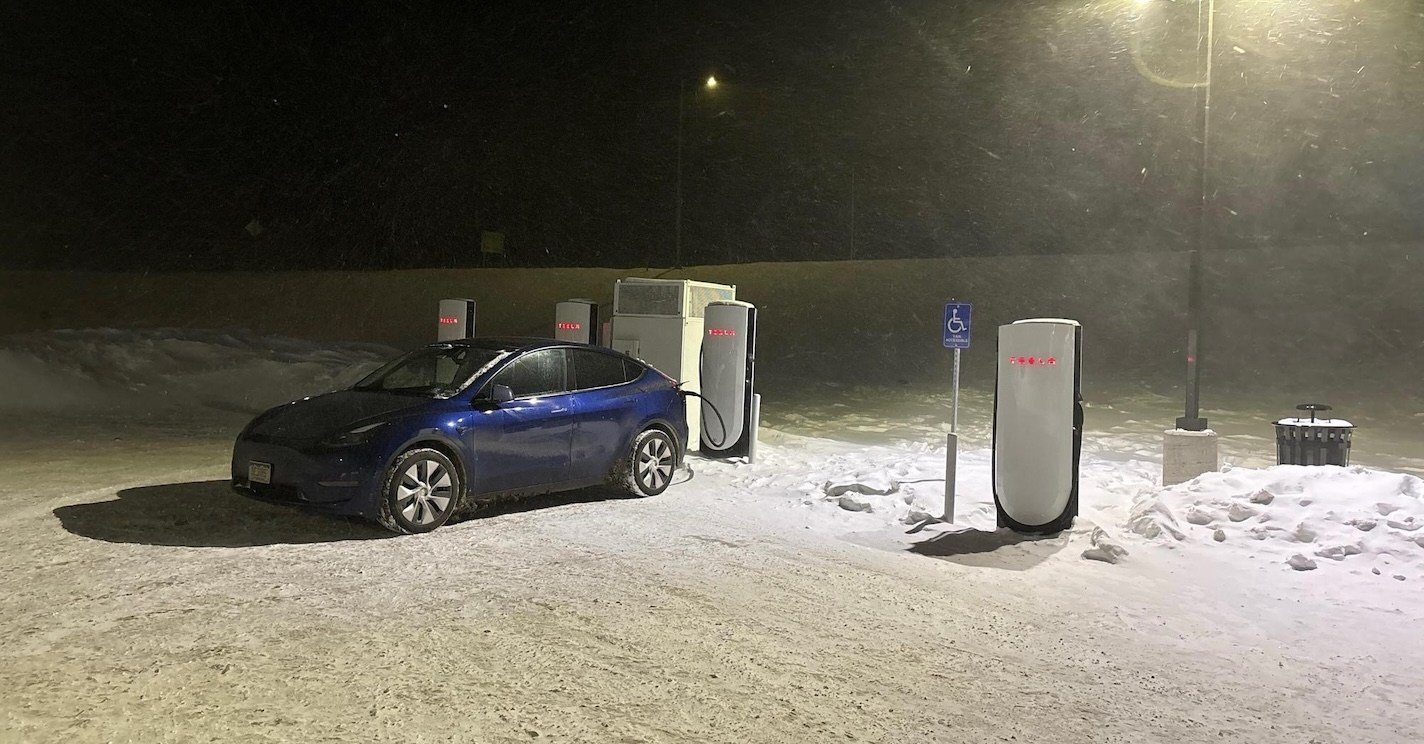
The suspension of the program creates a complex political and financial paradox, particularly regarding Elon Musk. While Musk is currently leading the administration’s Department of Government Efficiency (DOGE) with a mandate to cut federal spending, his company, Tesla, has been a primary beneficiary of the very program now being dismantled. To date, Tesla has secured $31 million in NEVI funds to install 539 DC fast-charging ports, accounting for 6 percent of all distributed capital.
The legality of this unilateral pause remains under scrutiny, as the NEVI funding was authorized by Congress through the Inflation Reduction Act of 2022. While the administration previously attempted to freeze federal program funding, legal challenges have historically served as a check on such executive actions.
Future of the EV Market
The administration’s decision to rescind funding and retool the program creates significant uncertainty for the EV industry. Beyond the immediate logistical disruptions, the move may provide congressional Republicans with the necessary window to introduce legislation aimed at permanently rescinding the program’s funding.
For the average consumer, the reduction in federal support for charging infrastructure may exacerbate “range anxiety”—a primary barrier to the mass adoption of electric vehicles. By stalling the expansion of the national charging grid, the administration’s latest policy move could significantly dampen the growth of the EV market in the coming years.