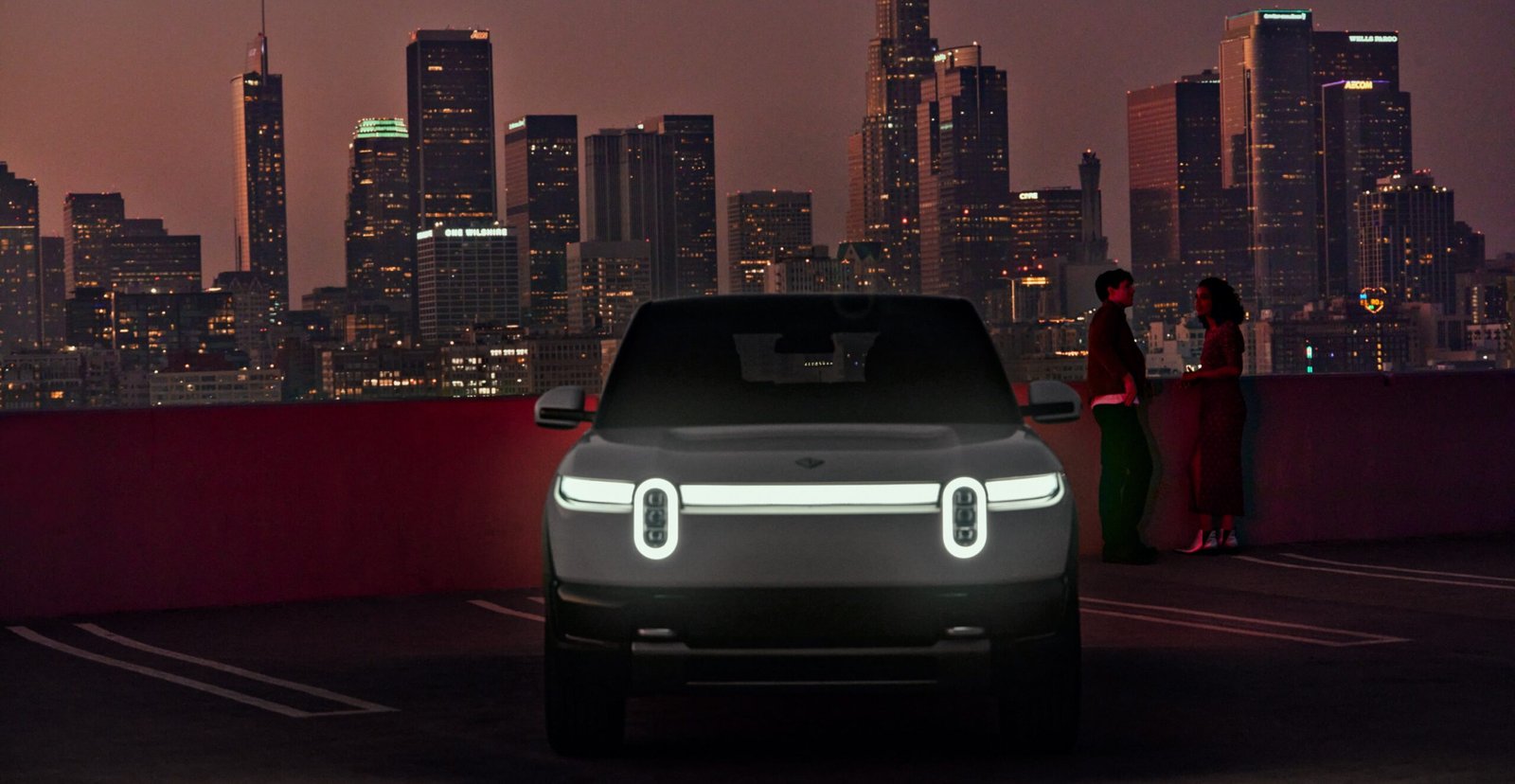
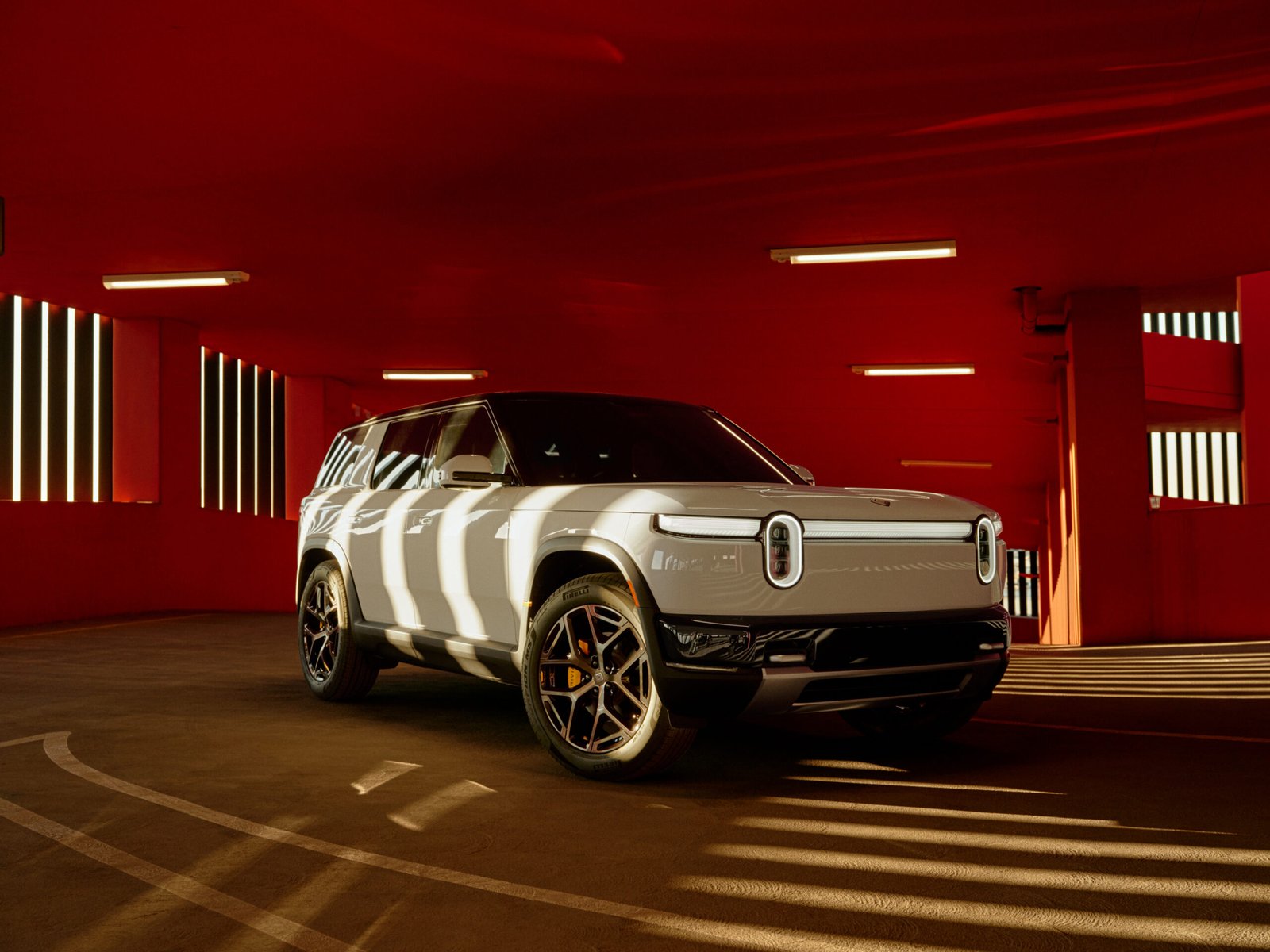
Rivian officially unveiled the R2, a midsize electric SUV starting under $50,000, on Thursday in a high-stakes bid to pivot from a niche manufacturer to a mass-market powerhouse. This launch represents a critical inflection point for the company: success could solidify Rivian as the primary challenger to Tesla’s dominance, while failure risks the company’s very survival in an increasingly brutal EV landscape.
A High-Stakes Launch in a Cooling Market
The R2 arrives as a potential lifeline in an industry littered with canceled EV programs and tightening budgets. Industry analysts view this announcement as a strategic declaration of intent rather than a victory lap, noting that the current market is defined by the loss of federal incentives, persistent tariff pressures, and extreme consumer price sensitivity.
The timing is particularly precarious. On the same day the R2 pricing and lineup were revealed, Honda announced it was scrapping several late-stage EV programs for the U.S. market, signaling that even established automakers are finding the current environment unsustainable. Rivian, however, is pressing forward with an aggressive goal: selling 20,000 to 25,000 units by the end of this year. With the first Performance Launch editions priced at $59,485 arriving in Q2, Rivian is attempting a sales pace that rivals all but the Tesla Model Y.
The Production and Demand Challenge
While Rivian reported over 100,000 reservations as of July 2024, the company has remained silent on updated figures since. This lack of transparency suggests a need to manage expectations—or perhaps a concern regarding production capacity. The ghost of Tesla’s “production hell” looms large; any delay in scaling manufacturing could alienate the very customers Rivian needs to win over.
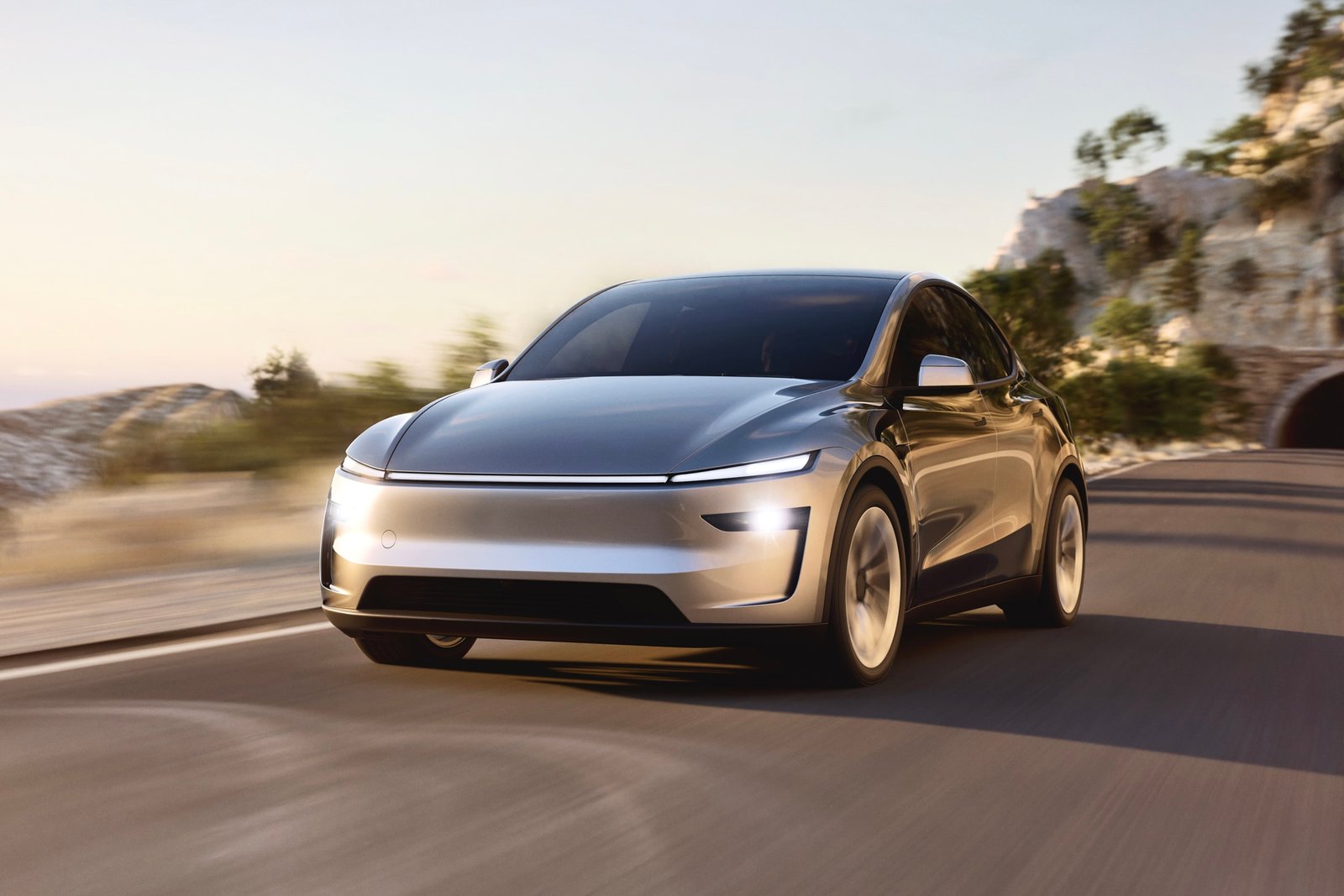
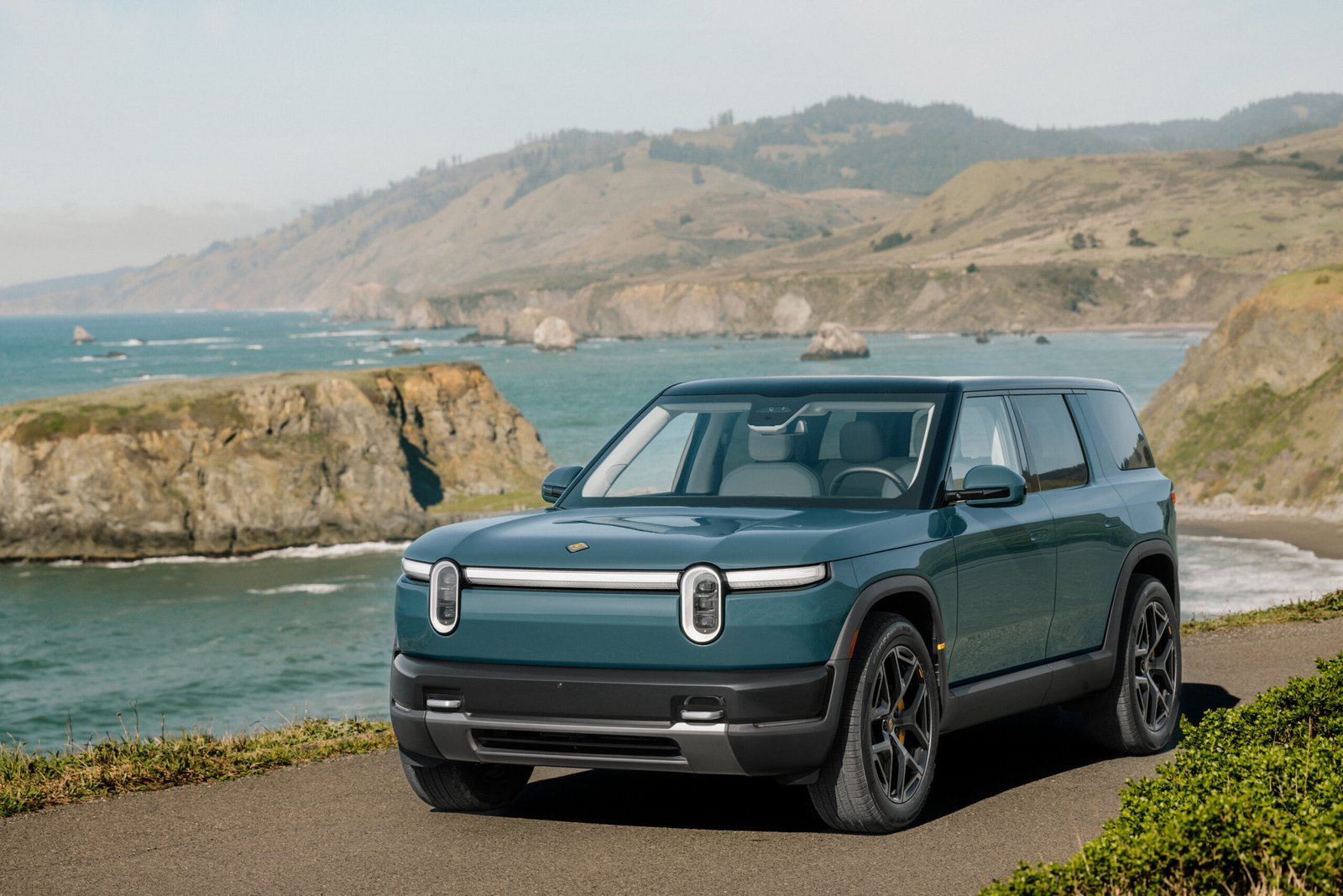
Tesla Model Y vs. Rivian R2: A Different Breed
Early reviews suggest the R2 is a compelling, design-forward alternative to the ubiquitous Tesla Model Y. While Tesla maintains a significant lead in efficiency, battery range, and production scale, the R2 carves out a unique identity. It offers a more traditional, rugged aesthetic, significantly higher ground clearance (9.6 inches vs. 6.4 inches), and practical features like a power-down rear window—a nod to the versatility expected by Jeep and Bronco owners.
Inside, Rivian opts for a more tactile experience than Tesla’s ultra-minimalist cabin. By including a dedicated gauge cluster and physical scroll wheels on the steering wheel, Rivian is banking on a more ergonomic user experience to differentiate itself from the Model Y’s screen-centric interface.
The Path to Mass-Market Adoption
Experts suggest that while the initial $57,990 launch models may still be a stretch for some, the promised $45,000 trims are the real key to hitting mainstream American budgets. As Jessica Caldwell, director of insights at Edmunds, points out, the R2 is positioned as a fresh, outdoor-ready alternative to the “stale” commuter crossovers currently flooding the market.
“The R2 arrives with a fresher brand image in a segment where Tesla already dominates,” Caldwell said. “Ultimately, the R2 isn’t just trying to beat the Model Y on specs or price. It’s giving buyers a distinctly different take on the electric SUV.”
Whether this “different take” is enough to overcome the economic headwinds and secure Rivian’s future remains the defining question of the year for the EV sector.