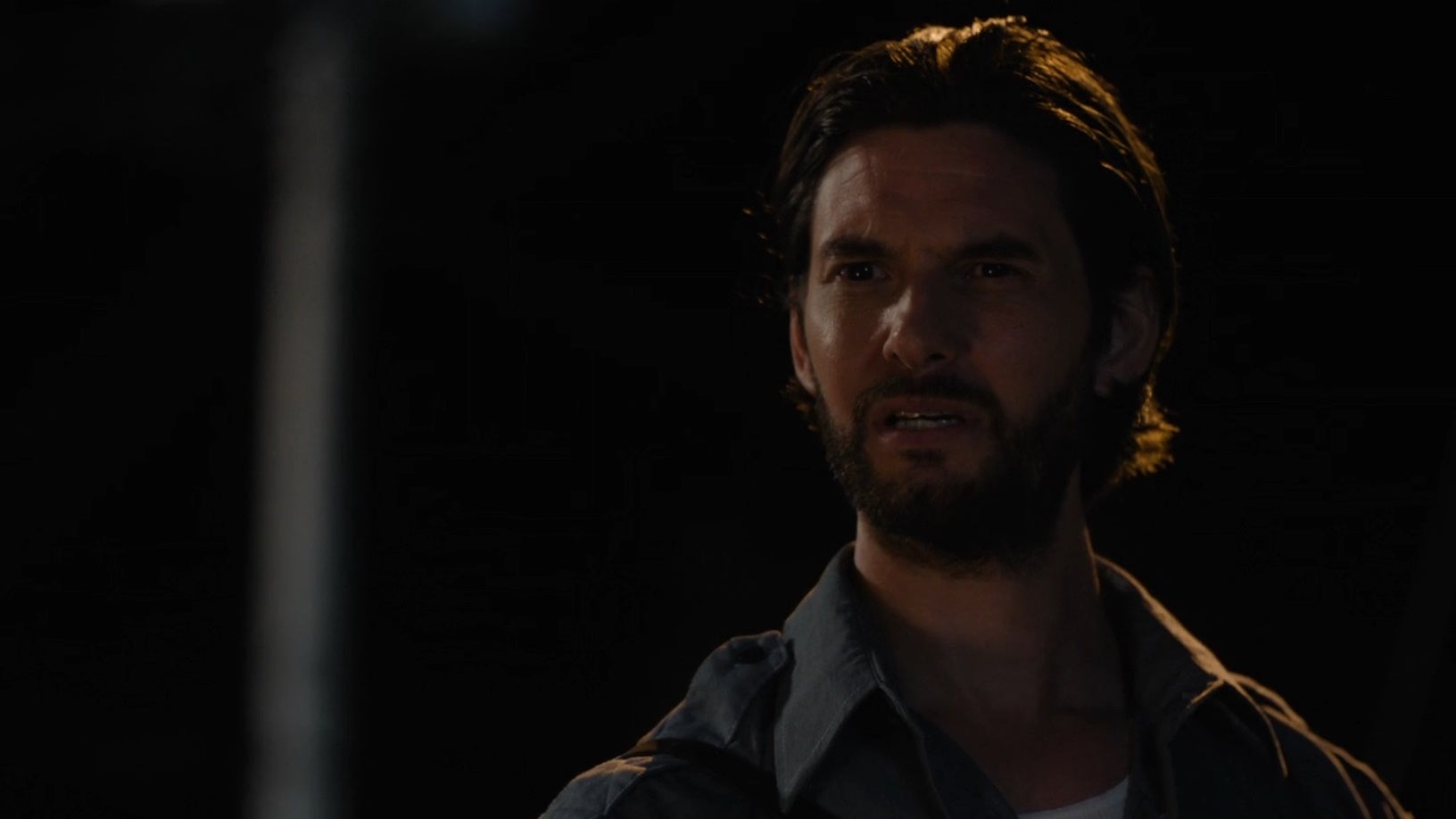
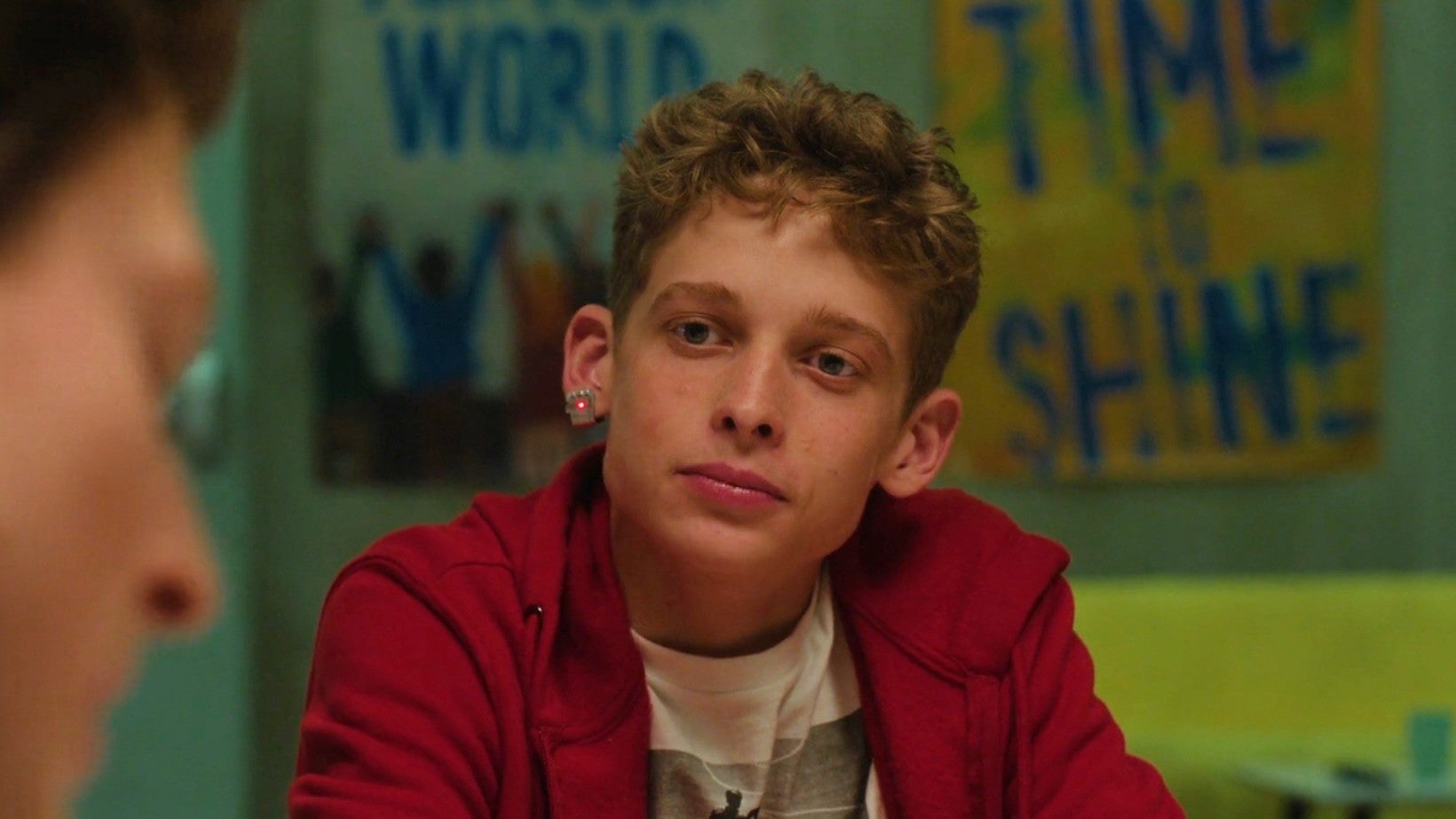
MGM+ has officially debuted the first two episodes of The Institute, a new adaptation of Stephen King’s novel, but the series—centered on a clandestine facility kidnapping telekinetic children—has launched with a surprisingly lackluster and formulaic start.
A Hit-or-Miss Legacy of Adaptations
Stephen King adaptations have a notoriously uneven track record. While projects like Mr. Mercedes and The Outsider showcased the potential for high-quality storytelling, disasters like Under The Dome and the 2017 The Mist serve as reminders of how easily source material can be squandered. Even successful ventures like Haven or Chapelwaite prove that the key to a compelling adaptation lies in respecting the depth of King’s characters.
In the case of The Institute, the source material itself was already one of King’s more “slight” efforts. Relying on familiar tropes—the disillusioned cop, the gifted child, and the malevolent matriarch—the book lacked the emotional resonance found in his stronger works. Translating this to the screen, the series struggles to find its footing from the very first frame.
Production Pitfalls and Direction
Under the direction of Lost alumnus Jack Bender, the show clearly attempts to emulate the aesthetic success of MGM+’s hit series, From. However, the production stumbles immediately with a jarring, amateurish opening sequence featuring a lackluster cover of Tears For Fears’ “Shout.” The transition from this dated-looking intro to Bender’s signature glossy, high-quality cinematography creates an immediate tonal dissonance.
Divided Narratives and Pacing Issues
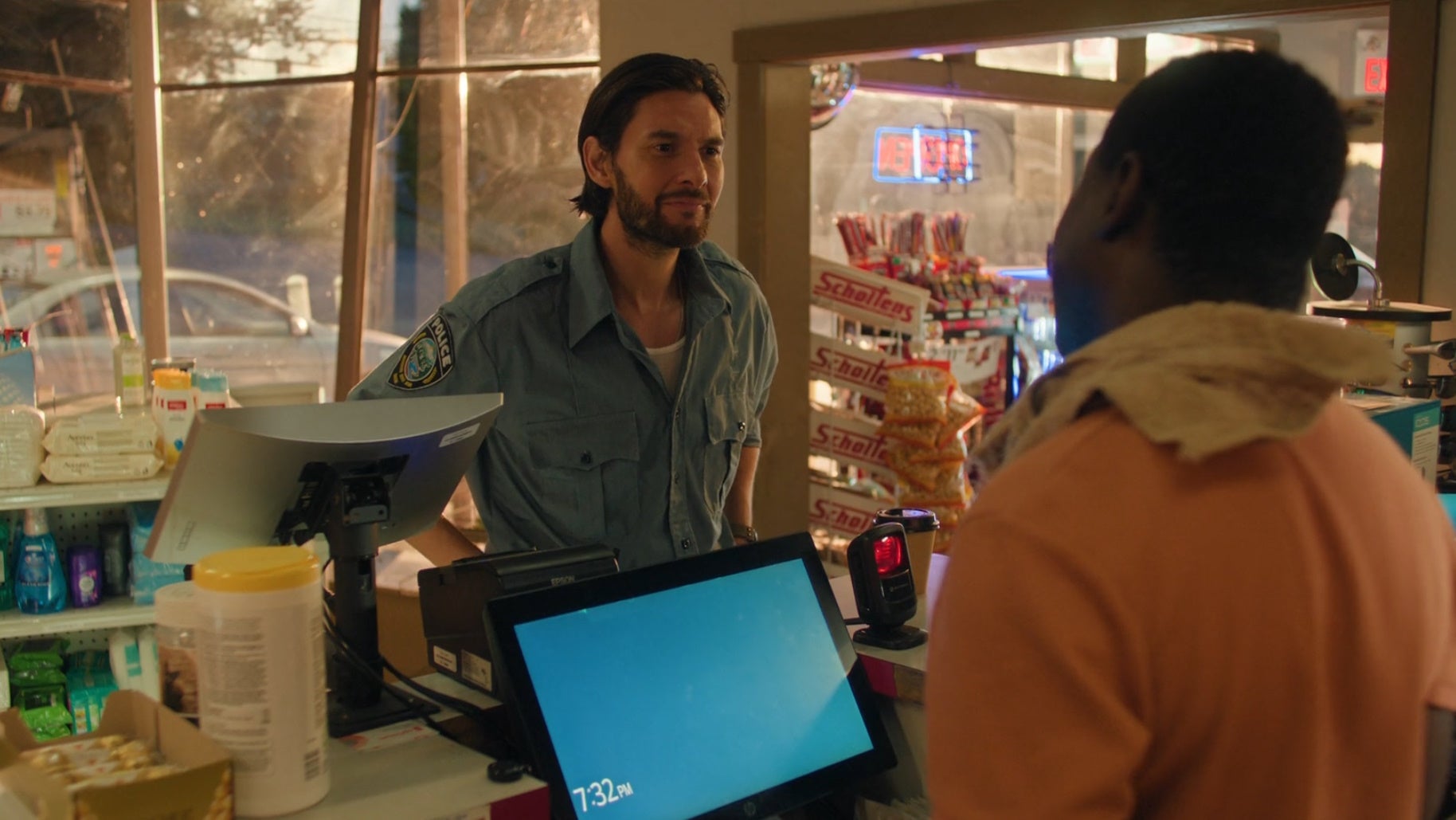
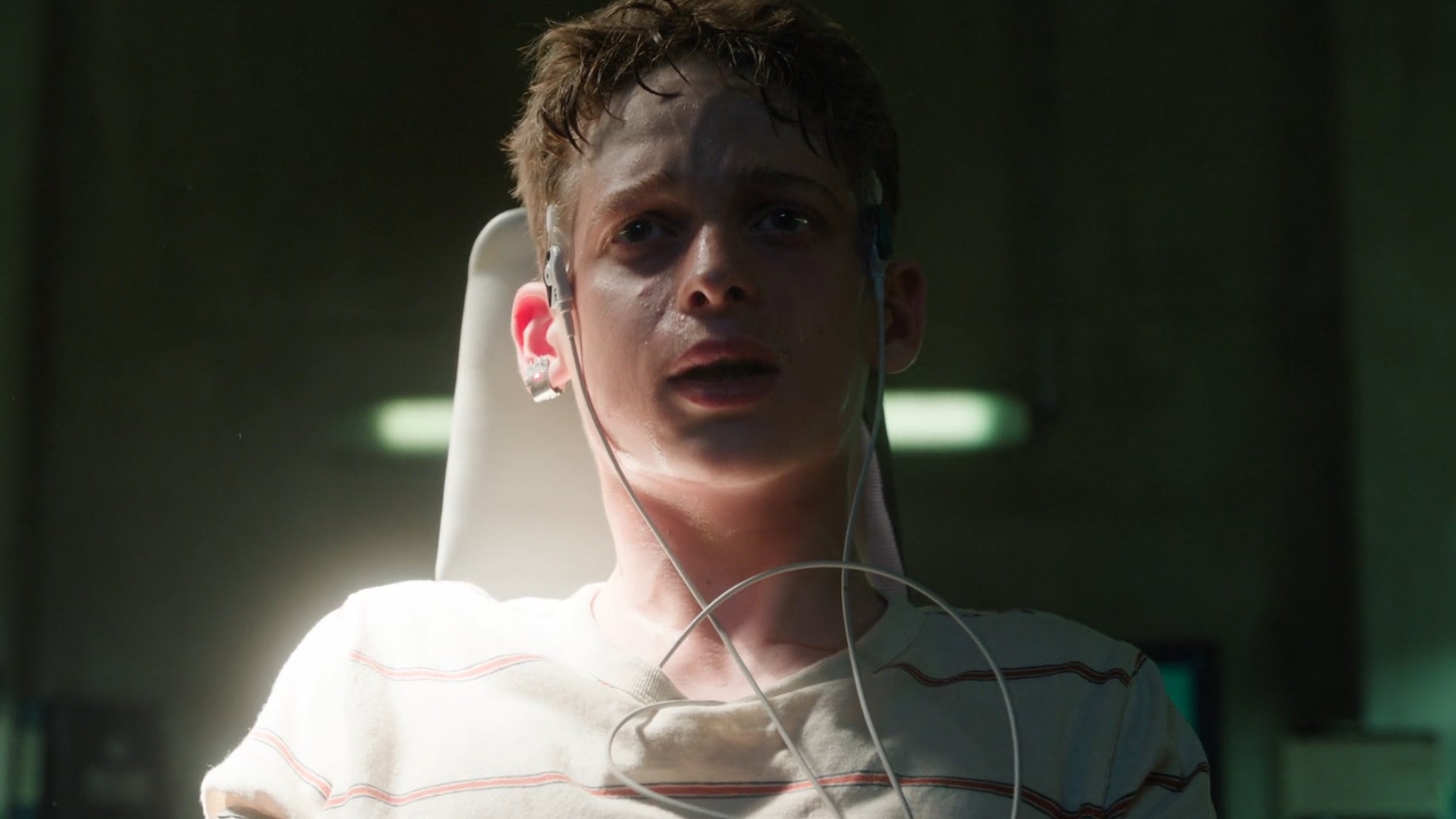
The series mirrors the novel’s structure, alternating between two disconnected plotlines. We follow Luke Ellis (Joe Freeman), a teenager with burgeoning telekinetic powers held captive in the titular facility, and Tim Jamieson (Ben Barnes), a former cop who finds himself acting as a “night knocker” in the small town of DuPray, South Carolina. By the end of the second episode, the connection between these two worlds remains tenuous at best.
The show’s rigid loyalty to the book proves to be a significant narrative weakness. The facility feels strangely empty, with only a handful of children and staff, and the dialogue often falls victim to heavy-handed exposition dumps. In a particularly egregious moment in the second episode, a minor character delivers a sudden, unprompted life history just seconds before being written out of the show, highlighting a lack of narrative subtlety.
Strong Performances in a Hollow Framework
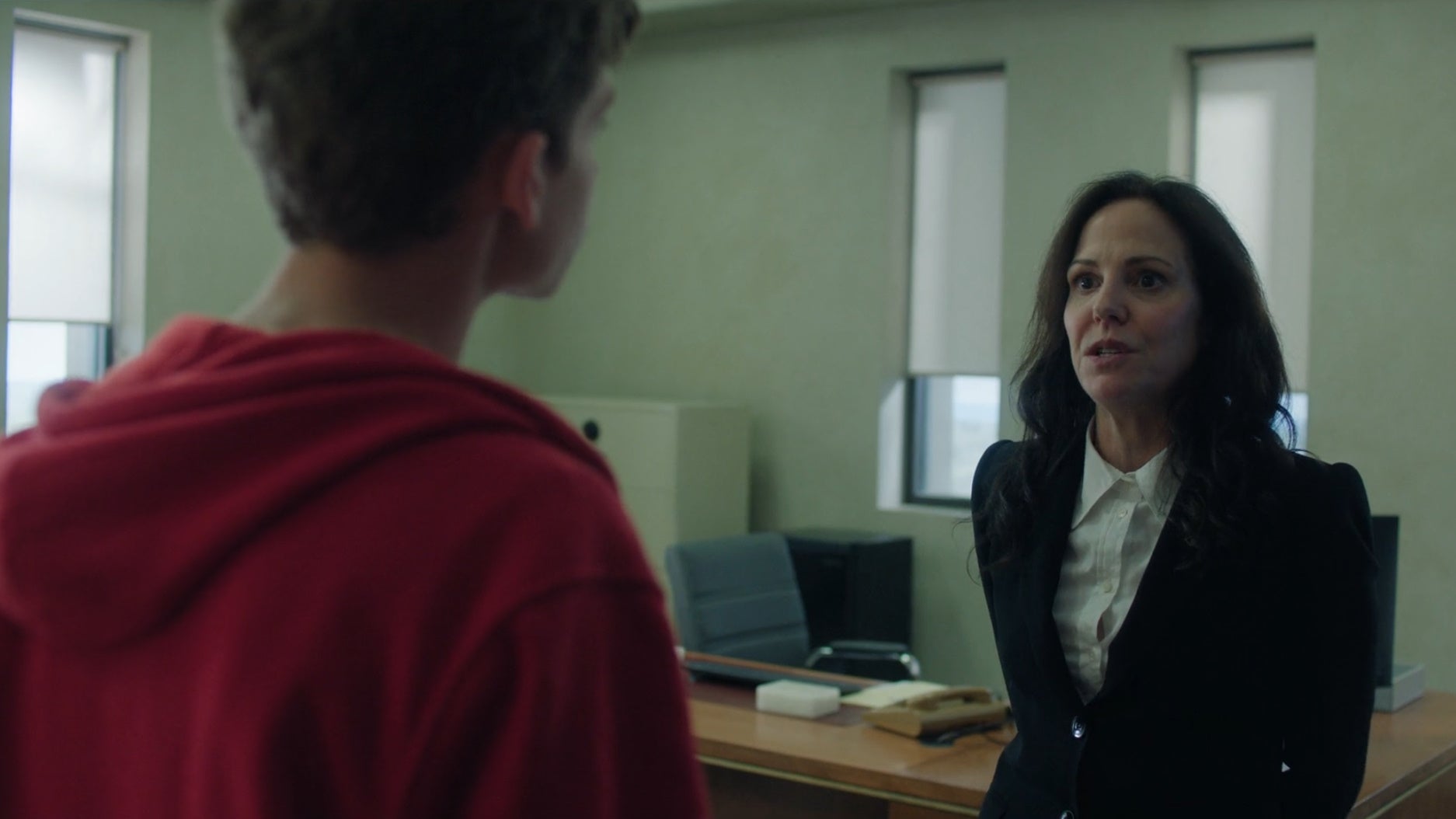
Despite the script’s shortcomings, the cast is clearly putting in the work. Joe Freeman brings a nuanced complexity to Luke Ellis, while Ben Barnes provides the necessary charisma as Jamieson. Mary-Louise Parker, playing the sinister Ms. Sigsby, manages to maintain a compelling presence, even as the show’s power dynamics remain frustratingly opaque. The production also features a reunion of sorts for Bender’s collaborators, including Robert Joy and Jeff Fahey, who bring recognizable talent to the table.
Missing the Deeper Message
Perhaps the most disappointing aspect is the abandonment of the core metaphor of the novel. King reportedly wrote the book as a response to U.S. immigration policies regarding children, yet that thematic weight is entirely absent in the adaptation. The adult staff are reduced to cartoonish villains, and the children—while interesting—are relegated to archetypal “The One Who…” roles rather than fully realized characters.
While the series is not a total disaster, it lacks the menace and mystery required to truly hook the audience. It remains to be seen if the remaining six episodes can pivot away from the book’s thin plot to build something more substantial, but for now, The Institute remains an undercooked exploration of a story that needed more room to grow.