
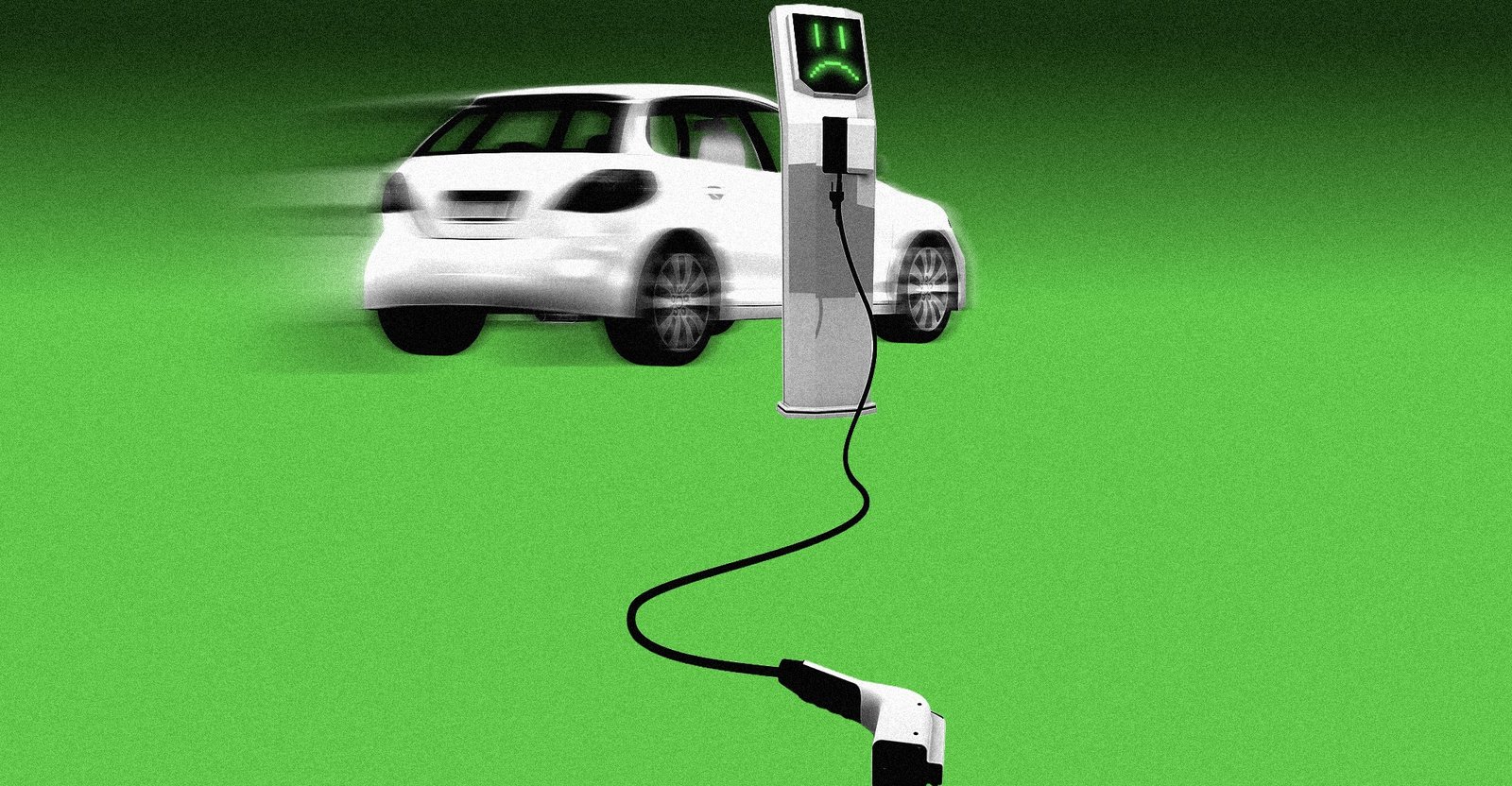
Plug-in hybrid electric vehicles (PHEVs) are currently enjoying a massive sales surge as automakers pivot away from fully electric models, yet new data reveals a glaring problem: most owners simply refuse to plug them in. While manufacturers market these vehicles as the perfect bridge to an electrified future, research now confirms that without consistent charging, these cars are essentially just heavier, less efficient gas-powered vehicles.
A Long Road to Nowhere
The concept of the hybrid is far from new. Ferdinand Porsche introduced the “Semper Vivus” in 1900, using combustion engines to power wheel-hub motors. Despite this early ingenuity, the automotive industry spent a century ignoring the potential of combined powertrains. Today, the narrative has shifted. With EV sales growth cooling, companies like Toyota are leaning heavily into hybrids—even phasing out gas-only versions of the popular RAV4 in favor of hybrid-only configurations.
However, the market is fracturing. Without strict emissions standards or federal tax credits, some manufacturers are abandoning PHEVs entirely. Jeep, for instance, recently axed its top-selling plug-in models, while others are pivoting toward extended-range EVs (EREVs) that use small gas engines solely to recharge larger batteries.
The Charging Disconnect
The core promise of a PHEV—reduced emissions and superior fuel economy—is entirely dependent on user behavior. If the vehicle isn’t plugged in, that promise vanishes. Unfortunately, the data suggests that drivers are largely failing to charge their vehicles.
A 2024 study by Geotab, which analyzed 1,776 commercial fleet PHEVs, found that operators relied on gasoline for 86 percent of their energy needs. The fuel efficiency results were equally sobering: these vehicles averaged roughly 37 miles per gallon, barely outperforming their traditional internal combustion counterparts. A larger study from the Fraunhofer Institute, covering nearly one million vehicles across Europe, delivered even more damning results. It found that PHEVs consume three times more fuel than manufacturers claim, largely because drivers are hauling around dead batteries rather than utilizing electric-only modes.
Can Gamification Solve the Problem?
Automakers are now scrambling to force better habits. Toyota has experimented with gamified features in its ChargeMinder app, using notifications and rewards to encourage charging. While early tests in the U.S. showed a 10 percent increase in charging frequency among participants, it is a narrow solution to a systemic behavioral issue.
This leaves industry giants like General Motors in a difficult position. After abandoning the Chevy Volt in 2018 to focus exclusively on EVs, GM is now reconsidering hybrids following a $6 billion write-down on its electric investments. CEO Mary Barra recently acknowledged the uncomfortable reality: “What we also know today with plug-in hybrids is that most people don’t plug them in.”
The “Bridge” or the “Barrier”?
The debate now centers on whether hybrids act as a necessary transition or a hurdle to full electrification. Researchers suggest that in markets lacking subsidies, the availability of PHEVs actually slows the adoption of fully electric vehicles by 24 percent over two decades, as consumers “settle” for the hybrid compromise.
Ultimately, the climate impact remains clear. Pure electric vehicles require fewer resources to manufacture and eliminate tailpipe emissions entirely. As Alissa Kendall, a life cycle researcher at UC Davis, notes, “From a climate perspective, pure electric vehicles are definitely better.” For the plug-in hybrid experiment, the data suggests that the bridge may be leading to a dead end.