
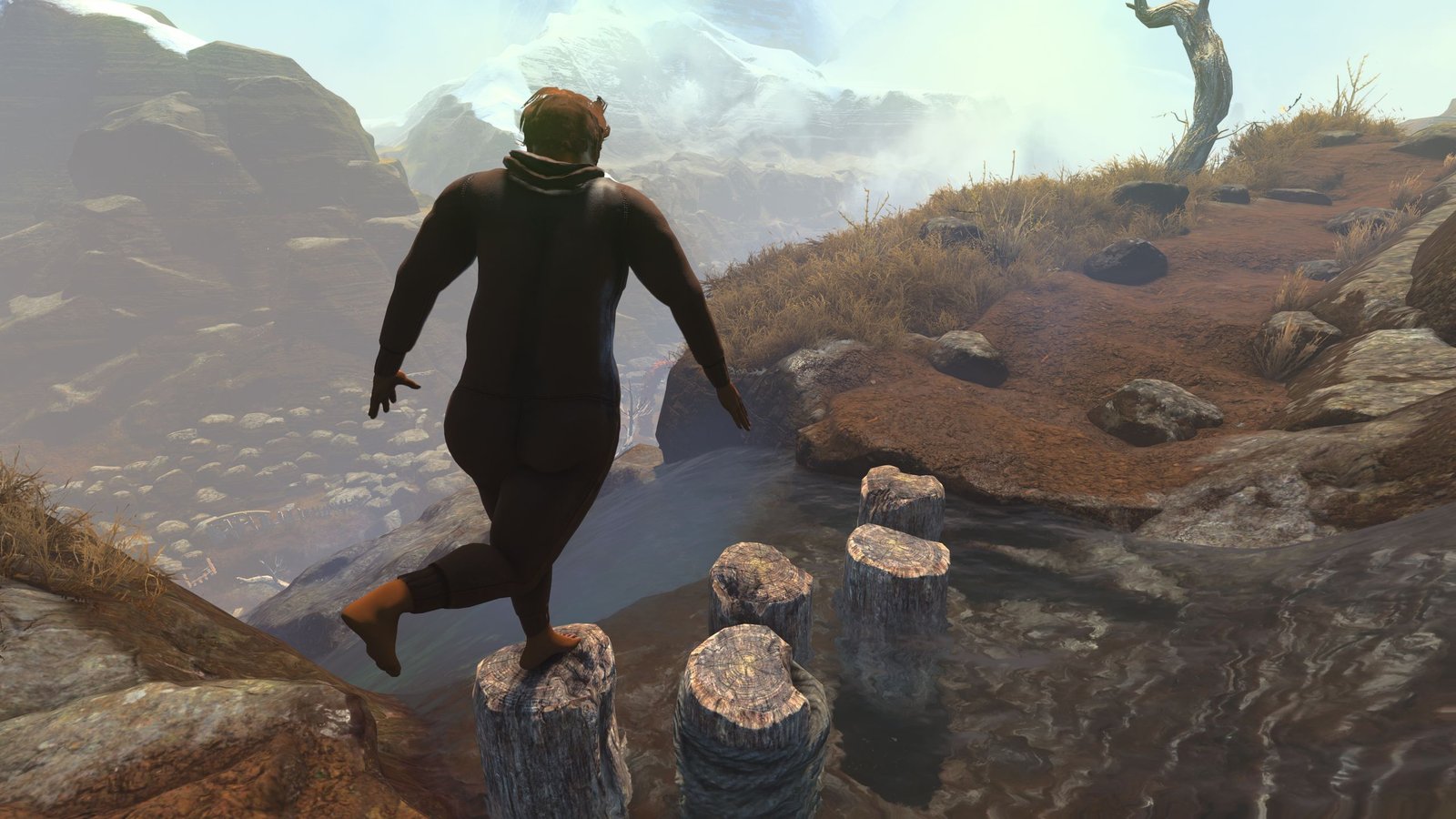
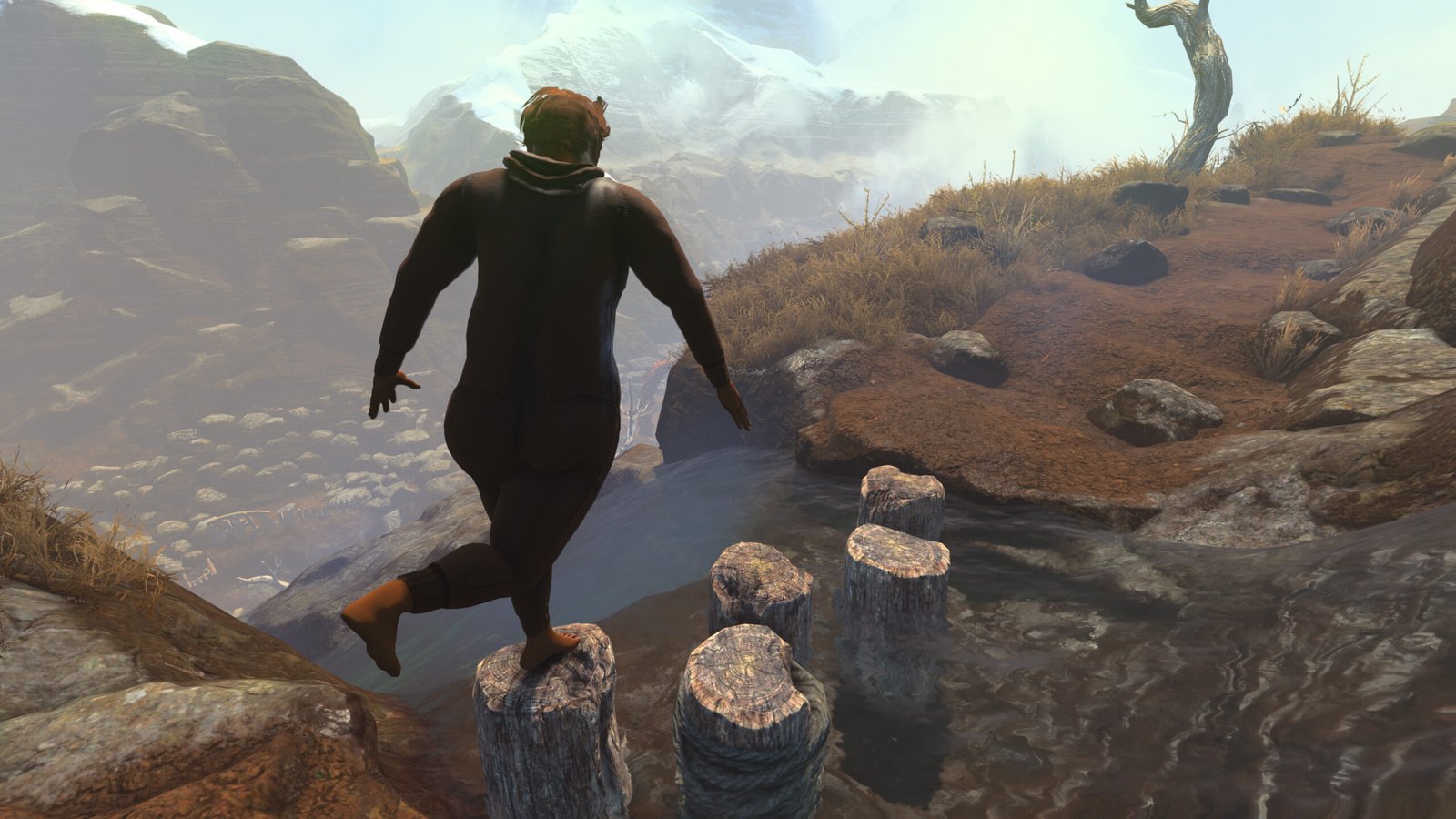
The unique, treacherous traversal mechanics in Baby Steps were born from an unlikely combination: a fan-made Mirror’s Edge map and the creative movements of Japanese skateboarder Gou Miyagi. During a GDC presentation, developer Gabe Cuzzillo revealed how these disparate influences shaped the game’s philosophy of player-led exploration and pathfinding.
Redefining Spatial Awareness Through Level Design
Cuzzillo credits a custom Mirror’s Edge map, titled Sparrow Cumulus, as the primary catalyst for the game’s design. The map challenged players to navigate complex, open-ended environments without holding their hand, forcing them to scout their own routes. “When I first played this game, I felt like I was waking up all of a sudden,” Cuzzillo explained. “I was going down these long paths full of interesting shimmies and jumps, only to find that they were dead ends, and all of a sudden I was actually looking at and seeing the space in a way that I hadn’t in a single player level in a long time.”
This experience provided a sense of agency that Cuzzillo wanted to replicate. He noted that in many modern titles, players often feel like they are being “played like an instrument” by the game’s rigid design. By contrast, Baby Steps aims to put the player in the role of the tester, rather than the subject being tested.
The Influence of Gou Miyagi’s Skateboarding
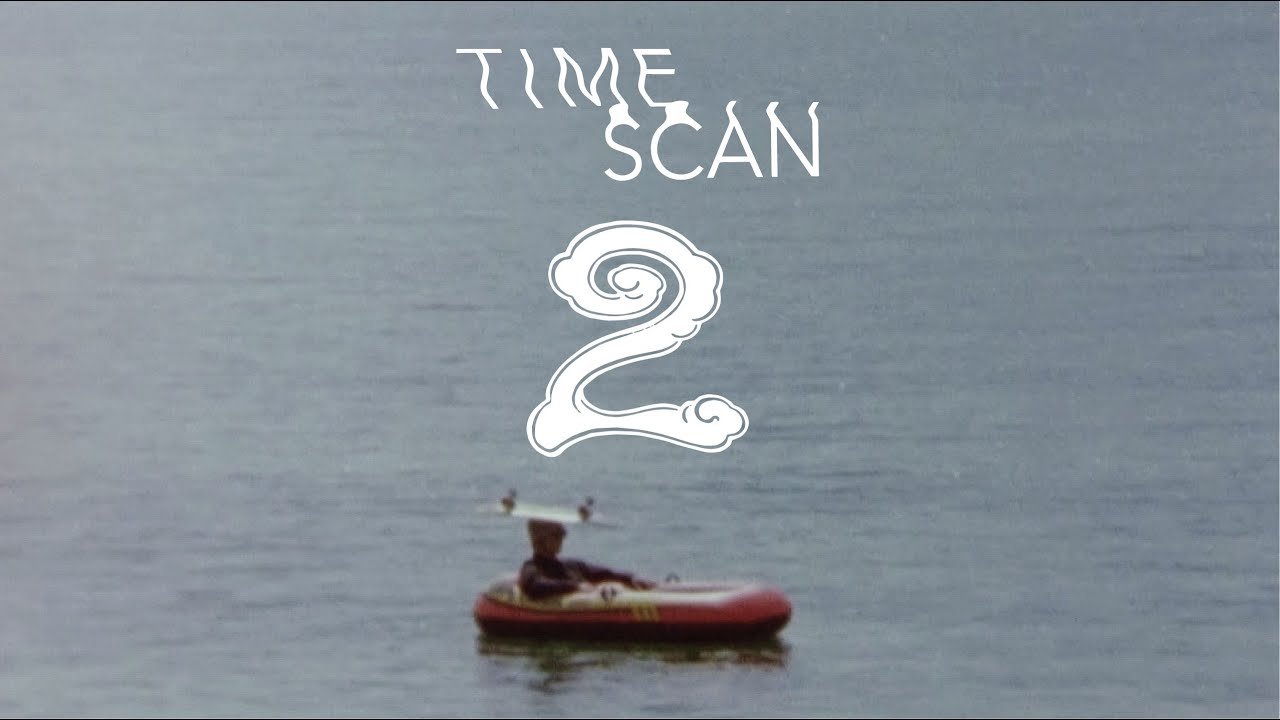
The second pillar of the game’s design philosophy came from Timescan 2, a video featuring Tokyo-based skateboarder Gou Miyagi. Cuzzillo was struck by how Miyagi utilized the environment’s inherent constraints to innovate new, creative ways to move.
“I felt like he was using this constraint of working with what’s given, like what’s already there, to push himself into finding more creative ways of moving the skateboard,” Cuzzillo said. “When I was playing throughout the Cumulus [map], it felt like it was pushing me into the mindset of Gou Miyagi a little bit.”
Emergent Gameplay Through Iteration
This “skater mindset” is why Baby Steps encourages players to carve their own paths through its rugged, muddy, and waterfall-filled terrain. During development, the team fostered this emergent gameplay by testing unfinished sections of the map. If a developer’s eye wandered to an ambiguous, untouched area, they knew they had found something special.
“It was the stuff that was ambiguous as to whether or not you could do it, stuff that you could puzzle over and push you into trying new ways of moving,” Cuzzillo added. “That was really the experience we’re interested in.”

Ultimately, the next time you find yourself struggling to navigate a difficult incline as Nate, remember that the environment was purposefully designed to be a puzzle. The game isn’t just about moving from point A to point B—it’s about finding your own creative solution to the terrain, even if it leads to a few tumbles along the way.