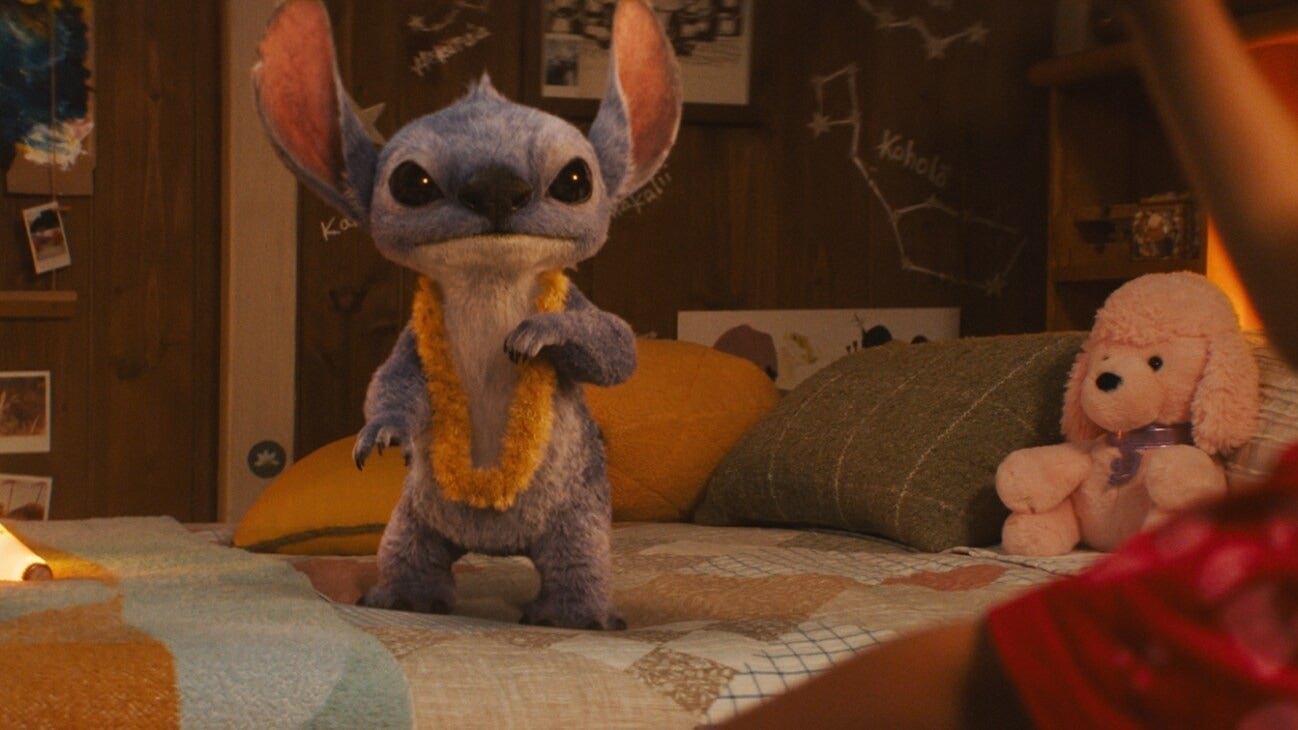
Disney’s live-action Lilo & Stitch, which premiered over Memorial Day weekend, has crossed the $300 million mark at the box office, yet the film is facing intense criticism from long-time fans who argue that its narrative changes betray the heart of the 2002 animated original.
From Cult Classic to Contested Remake
While Disney’s strategy of releasing live-action remakes has proven financially lucrative despite consistent critical panning, this latest installment has ignited a particularly fierce debate. Pre-release concerns regarding the casting and the removal of specific character traits—such as Pleakley’s drag disguises—have now been eclipsed by outrage over the film’s fundamental restructuring of the story’s core themes.

Villainizing Jumba and the Loss of Character Arcs
One of the most contentious creative decisions involves the character of Jumba, the alien scientist who created Stitch. In the original animation, Jumba transitions from an antagonist to a beloved, eccentric uncle figure within Lilo’s found family. The live-action version discards the original antagonist, Captain Gantu, and instead pivots Jumba into the primary villain of the third act. Director Dean Fleischer Camp defended this choice, stating that Gantu “didn’t work” in a live-action format and that the change was necessary to “free up real estate” for emotional depth between the sisters.
Fans, however, feel this robs Jumba of his essential redemption arc. By forcing him to actively try to erase Stitch’s love for his family, the film undermines his evolution from a selfish scientist to a nurturing father figure, a change that clashes with the established lore of the sequels and the animated series.
A Controversial Take on “Ohana”
The most significant and polarizing change concerns Nani’s struggle to keep custody of Lilo. In the 2002 film, the narrative focuses on the sisters overcoming systemic obstacles to stay together, embodying the true spirit of “ohana.” The live-action remake, however, presents a narrative where Nani eventually gives Lilo up to a neighbor to pursue her own dreams of becoming a marine biologist.
While the film frames this as an empowering decision, many viewers find the resolution deeply problematic. By presenting the state’s interference and the breaking up of the family as a “positive” outcome, critics argue the film strips away the original’s biting commentary on the challenges faced by Native Hawaiians. Instead of highlighting the struggle against external encroachment, the remake is being accused of sanitizing the story and ignoring the cultural weight of the original, with some detractors labeling the new direction as “colonialist propaganda.”
Despite the backlash, the film’s massive opening weekend suggests that Disney’s financial goals have been met. Whether the studio will address these grievances if a sequel is greenlit remains to be seen, but for many fans, the damage to the legacy of the original story is already done.