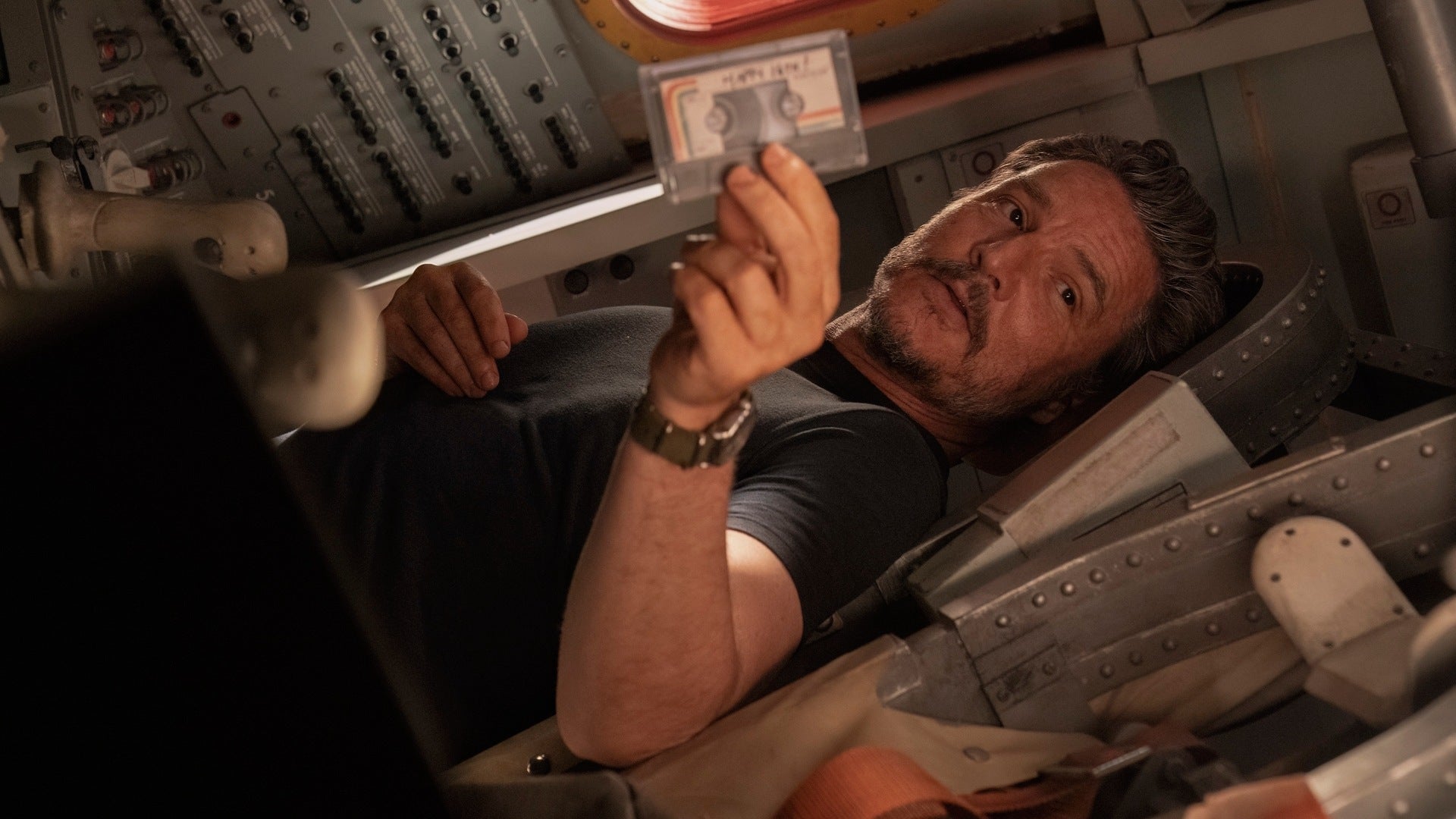
The sixth episode of The Last of Us season two, “Days of You and Me,” stands as a painful case study in how to undermine a masterpiece. While the showrunner Craig Mazin and his team have delivered a segment that will undoubtedly generate award-show buzz for its heavy-handed sentimentality, it effectively serves as a structural disaster, stripping away the nuance that made the original game’s narrative so profound.
The Burden of Unnecessary Backstory
The episode relies heavily on flashbacks, condensing years of context into a single hour. We begin in 1983 with a young Joel and Tommy, introducing a heavy-handed sequence involving their father, J. Miller Sr. (Tony Dalton). By framing Joel’s later, violent “salvation” of Ellie as a direct reaction to his own traumatic upbringing, the show attempts to provide a sympathetic psychological cushion for his actions.
This creative choice is frustratingly common in this adaptation: the inability to let characters be morally grey without providing a desperate, explanatory justification. By linking Joel’s choices to a cycle of generational trauma, the series attempts to make him more palatable, rather than allowing the audience to grapple with the cold, selfish reality of his decision at the Salt Lake City hospital.
Jackson: A Setting for Forced Conflict

The transition to Jackson highlights the show’s preoccupation with over-explaining character motivations. We see Joel crafting a guitar for Ellie—a sweet gesture that is somewhat tainted by the show’s insistence on literalizing the moth imagery that defines Ellie’s later aesthetic. The birthday sequence, featuring Pearl Jam’s “Future Days,” continues the show’s timeline inconsistencies, essentially treating the song as a canonical artifact despite the apocalypse starting in 2003.
The introduction of active, malicious homophobia on Joel’s part—when he discovers Ellie with Kat—feels like a jarring departure from his characterization in the games. While the show previously hinted at a world where queer identity is less understood, turning Joel into a late-in-life bigot feels less like a character study and more like a clumsy attempt to force an “unmendable rift” between him and Ellie.
The Eugene Subplot: A Narrative Detour
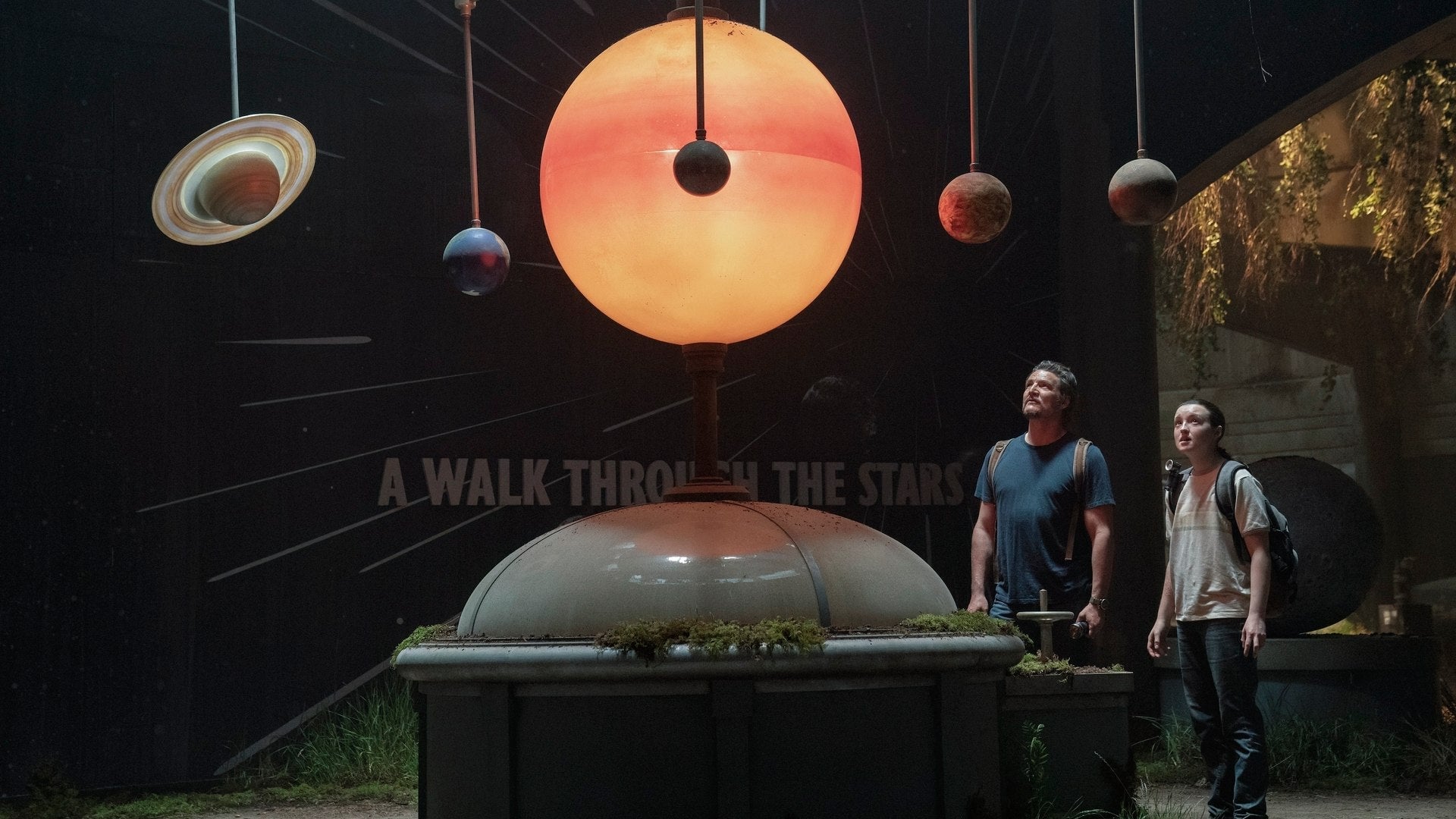
The inclusion of Eugene (Joe Pantoliano) serves as a roundabout way to force a confrontation between Joel and Ellie regarding trust. While the performances are strong, the execution feels like a structural crutch. It replaces the game’s more organic discovery of the truth with a forced, dramatic incident. When Joel executes Eugene after promising to take him to his wife, it serves as the catalyst for Ellie to finally realize that Joel’s “promises” are meaningless—a point the show beats into the ground.
Butchering the “Porch Scene”
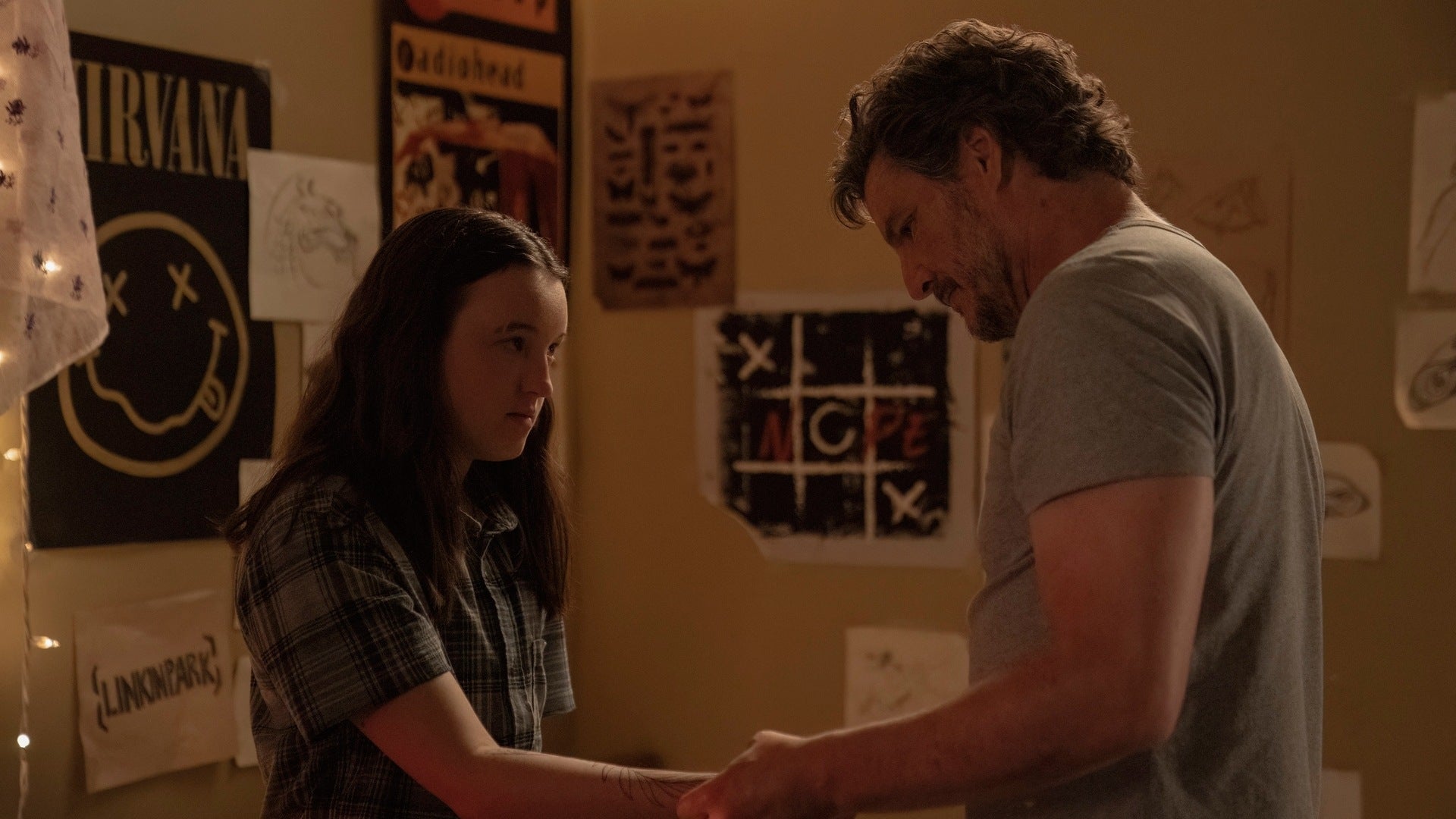
The most egregious offense occurs in the final act. The “Porch Scene”—the absolute pinnacle of the game’s emotional storytelling—is transformed into a lecture. In the original, the tension and the eventual reconciliation were built on silence, subtext, and the weight of what remained unsaid. Here, the show forces the characters to spell out every nuance of their conflict.
By having Joel “prattle off” explanations and clarifications, the show loses the grounded reality of the scene. It feels less like a desperate, broken conversation between a father and daughter and more like an after-school special designed to ensure that no viewer could possibly misinterpret the “correct” emotional takeaway. It is a patronizing approach to a moment that once demanded respect for the audience’s intelligence.
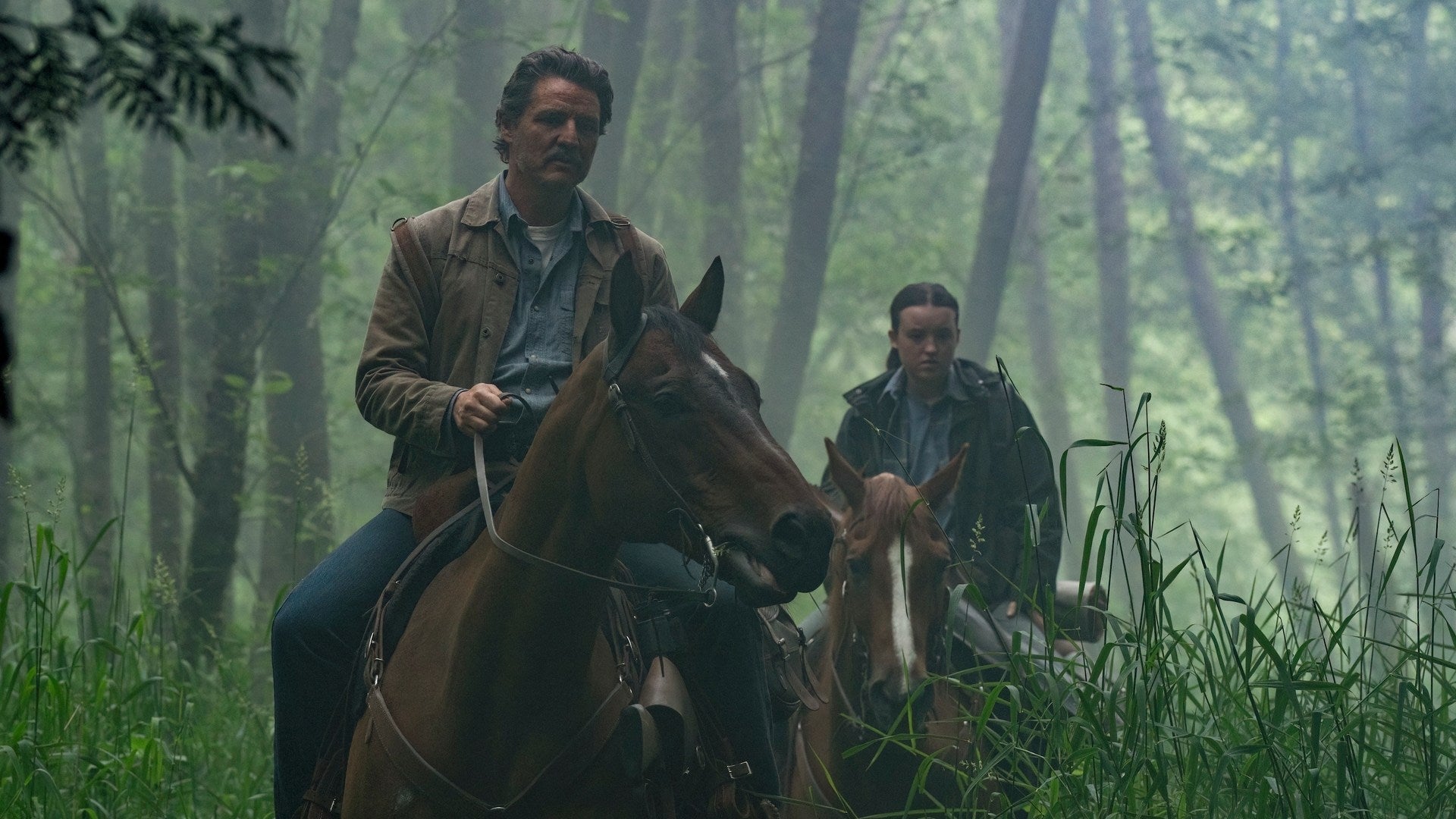
A Failed Experiment
Ultimately, this episode confirms a troubling trend: The Last of Us as a television show is suffering from extreme self-importance. It is so concerned with being a “cultural moment” that it has lost the subtle, restrained power of its source material. By rushing through the biggest points of tension and spoon-feeding the audience every motivation, the series has effectively drained the narrative of its stakes.
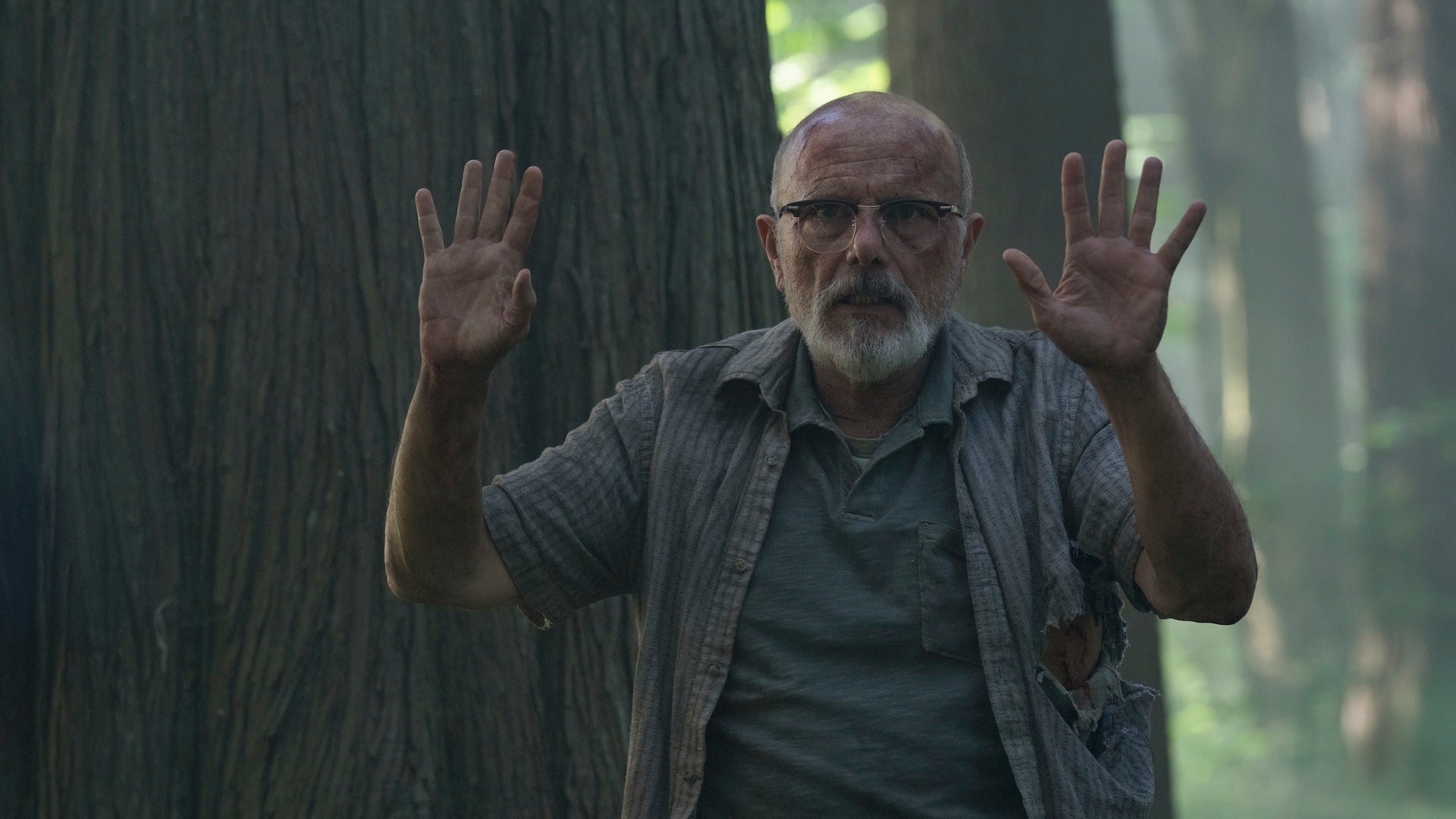
We are now left with a path that feels predictable and artless. The mystery of the characters’ internal struggles has been replaced by a roadmap that explains everything before it even happens. If this is the direction the adaptation is taking, the emotional impact of the story’s conclusion is already being systematically dismantled, turning what should be a devastating journey into a hollow, pre-explained exercise.