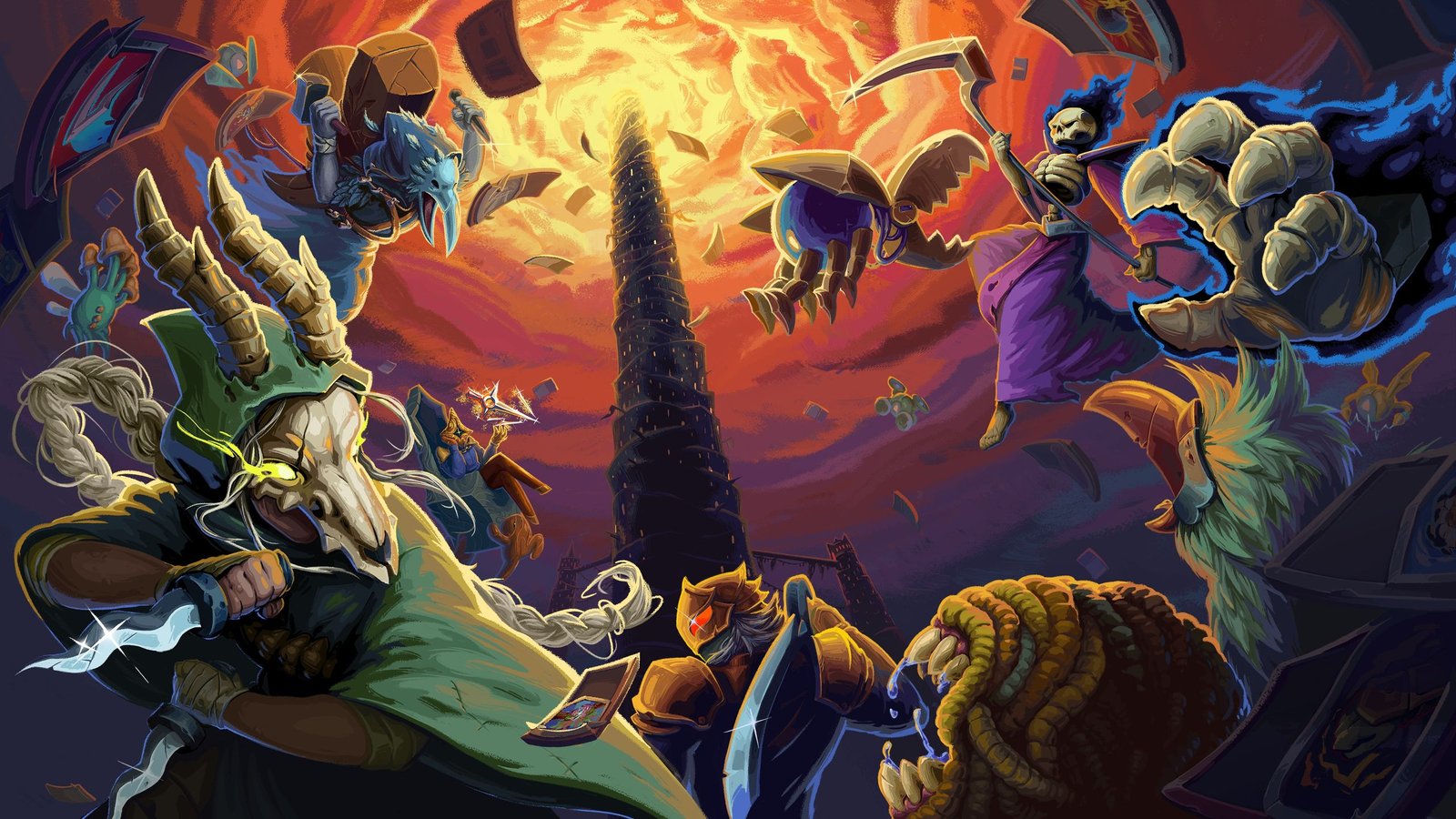
Nine years after the genre-defining original, Slay the Spire 2 has officially launched in early access, drawing over 500,000 peak concurrent players as fans rush to see if the sequel lives up to its legendary predecessor.
A Long Road to Full Release
Developer Mega Crit has outlined an ambitious roadmap, estimating that the game could remain in early access for up to two years. The current build is a foundation—promising a “true ending,” expanded game modes, and additional content. With a $25 price tag that is expected to rise upon the 1.0 launch (targeted between March 2027 and March 2028), players are currently weighing whether the experience is worth the investment today or if patience is the better strategy.

Core Gameplay and New Mechanics
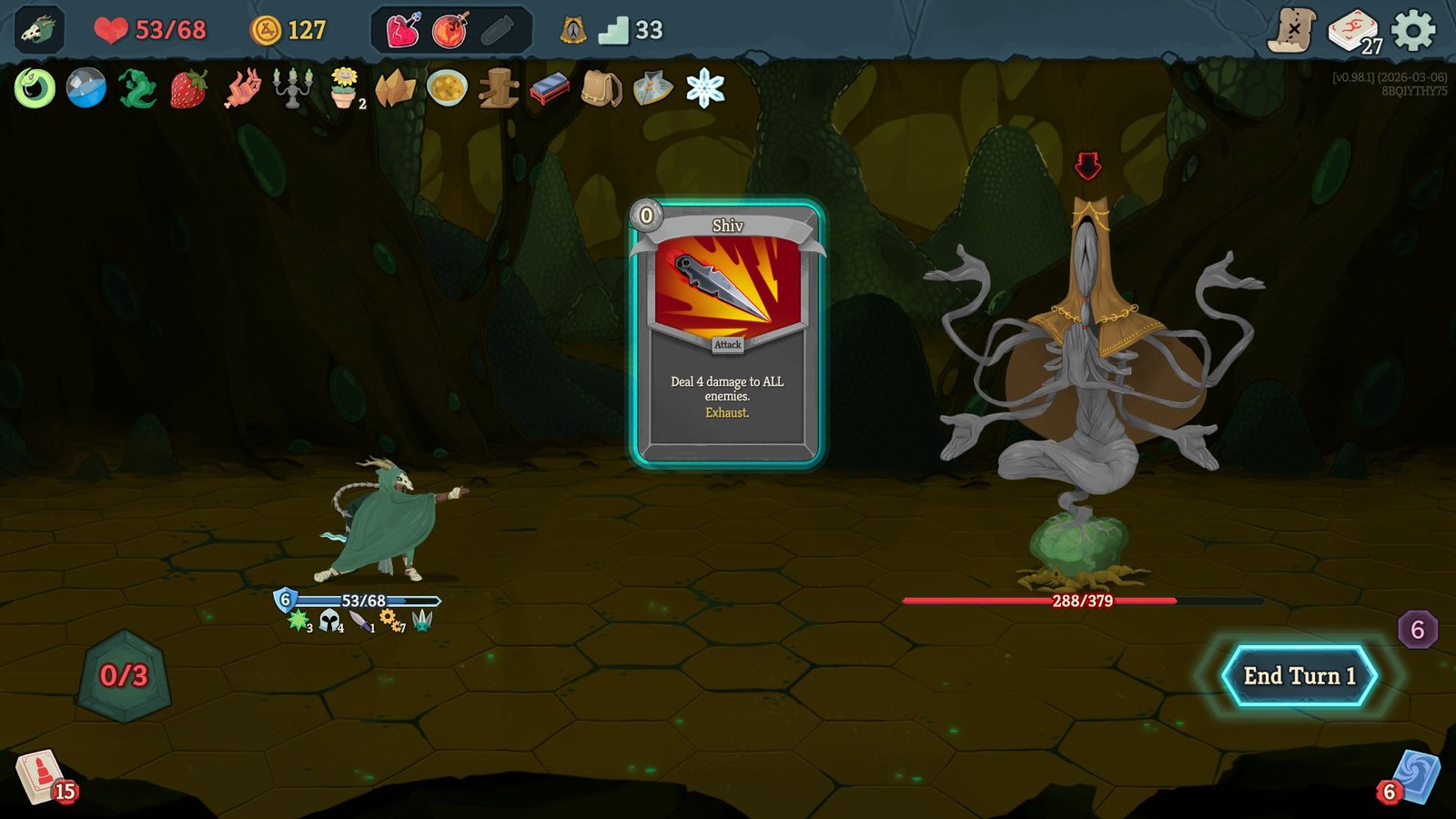
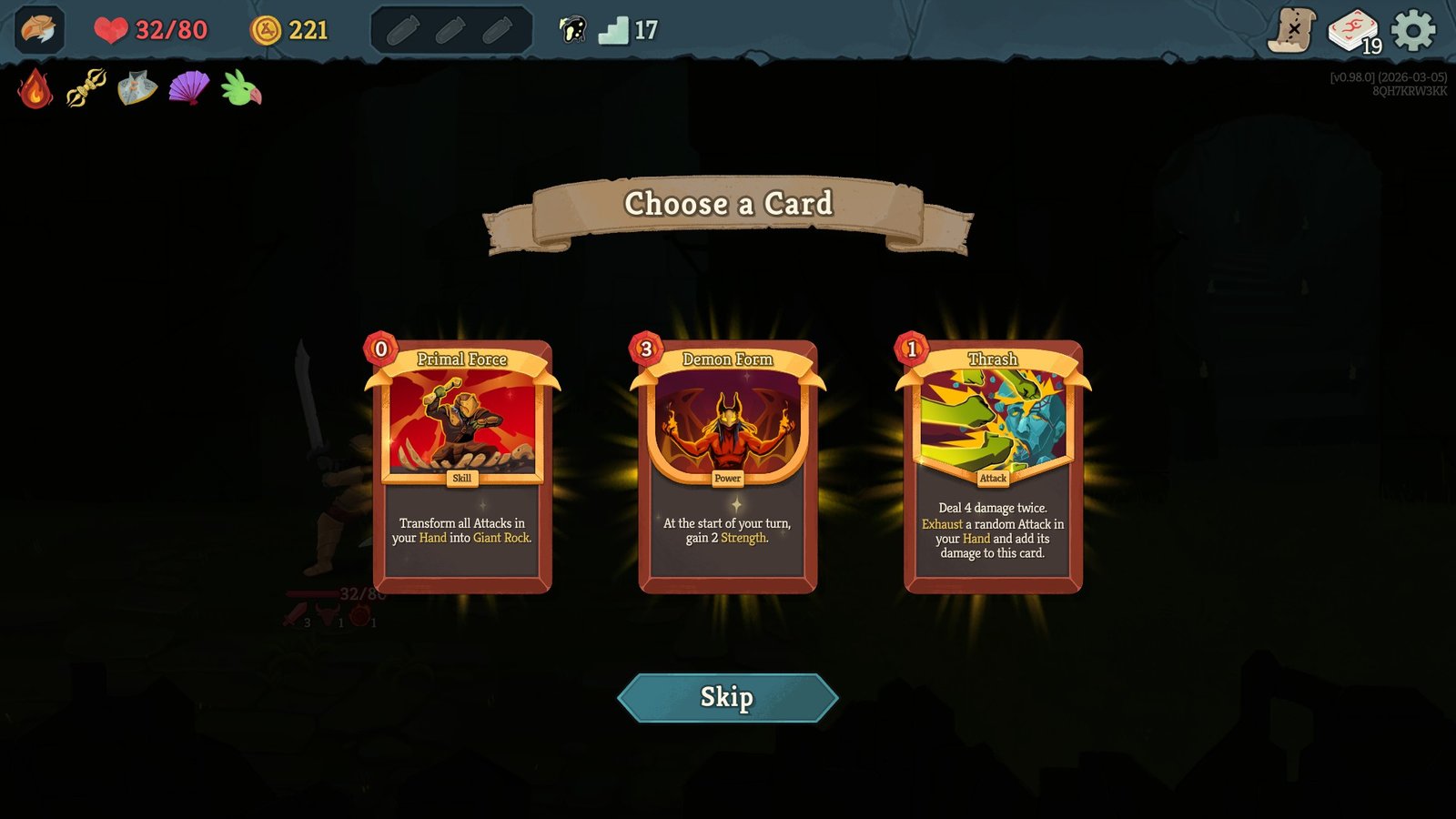
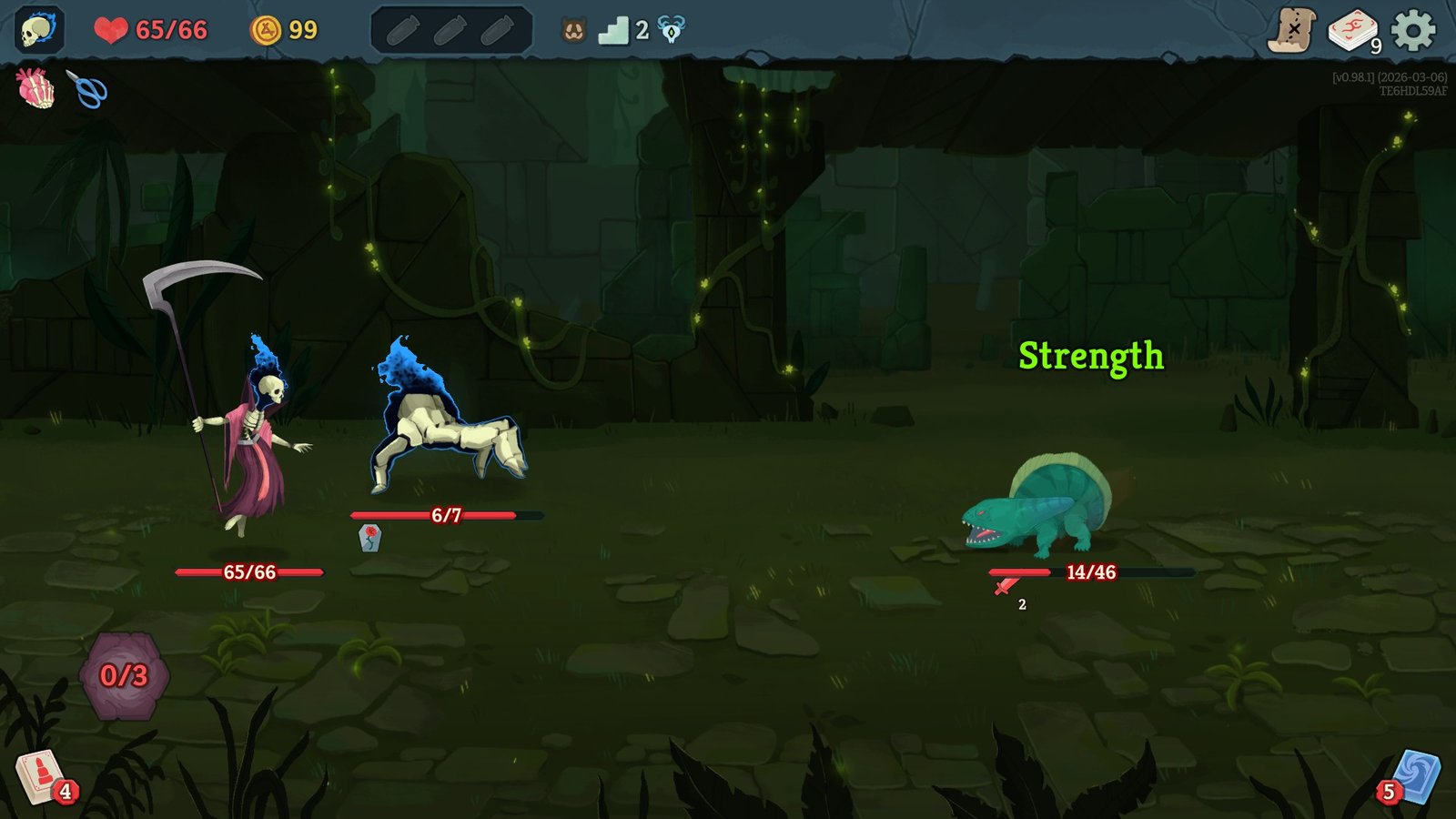
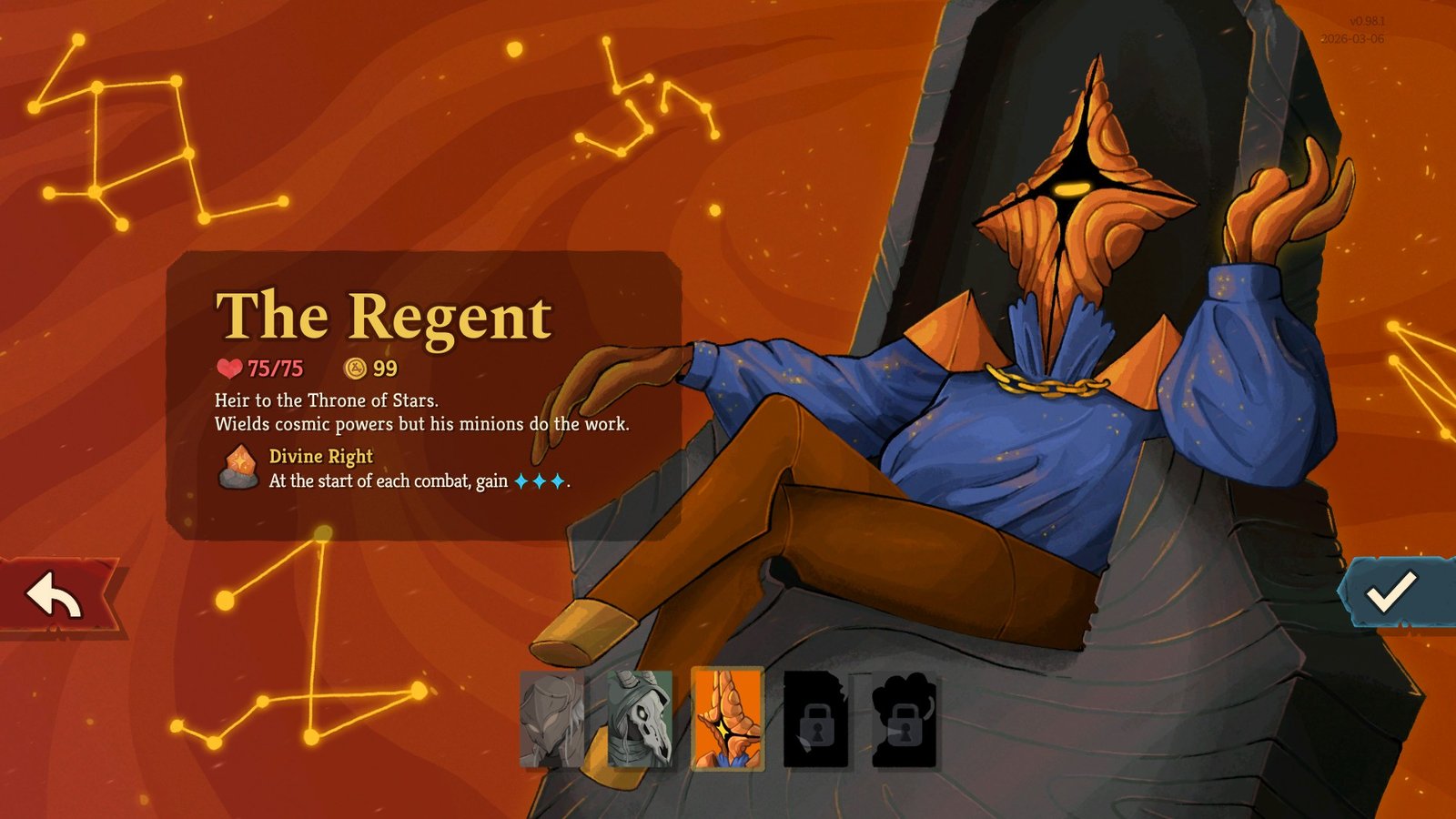
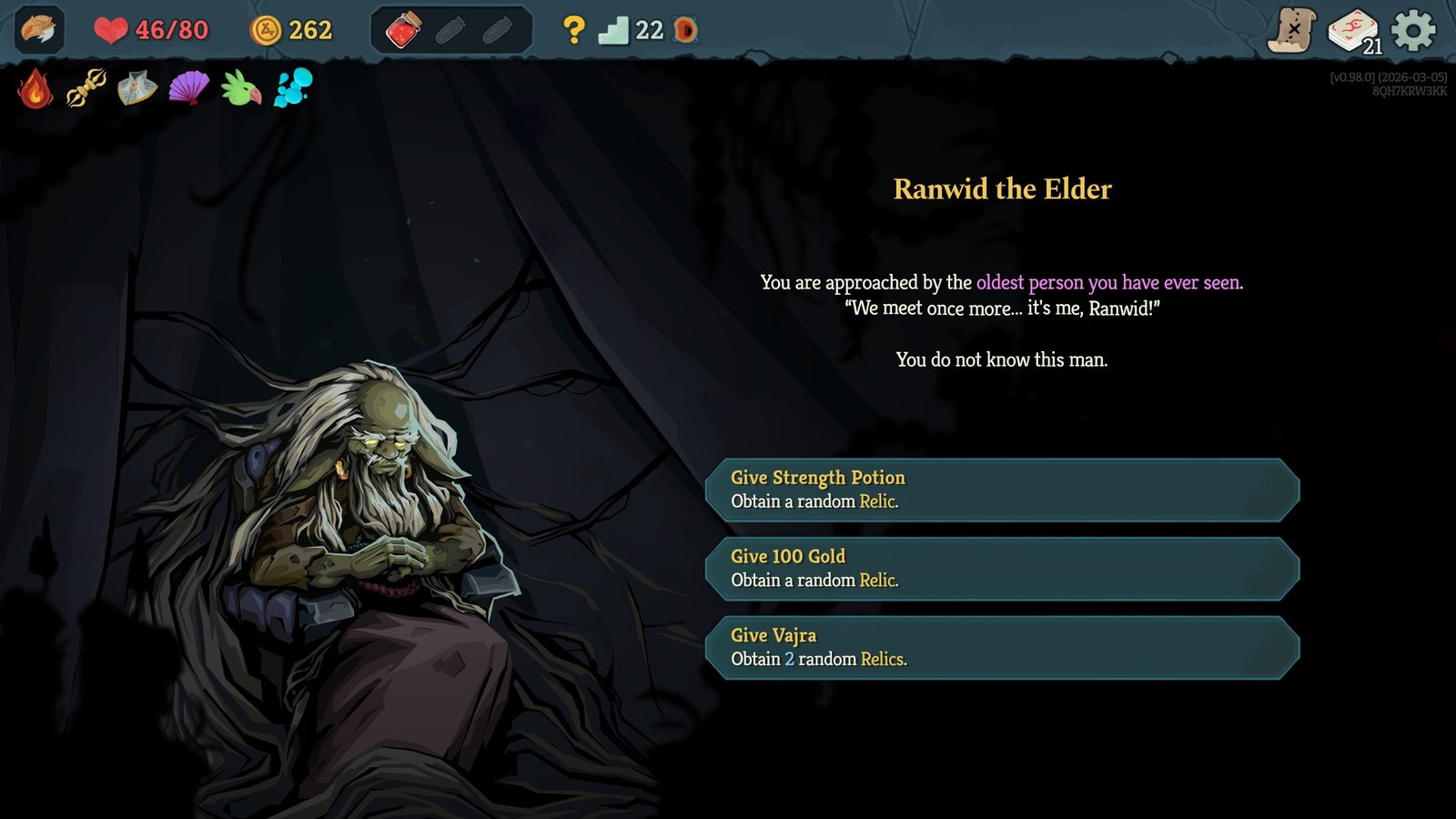
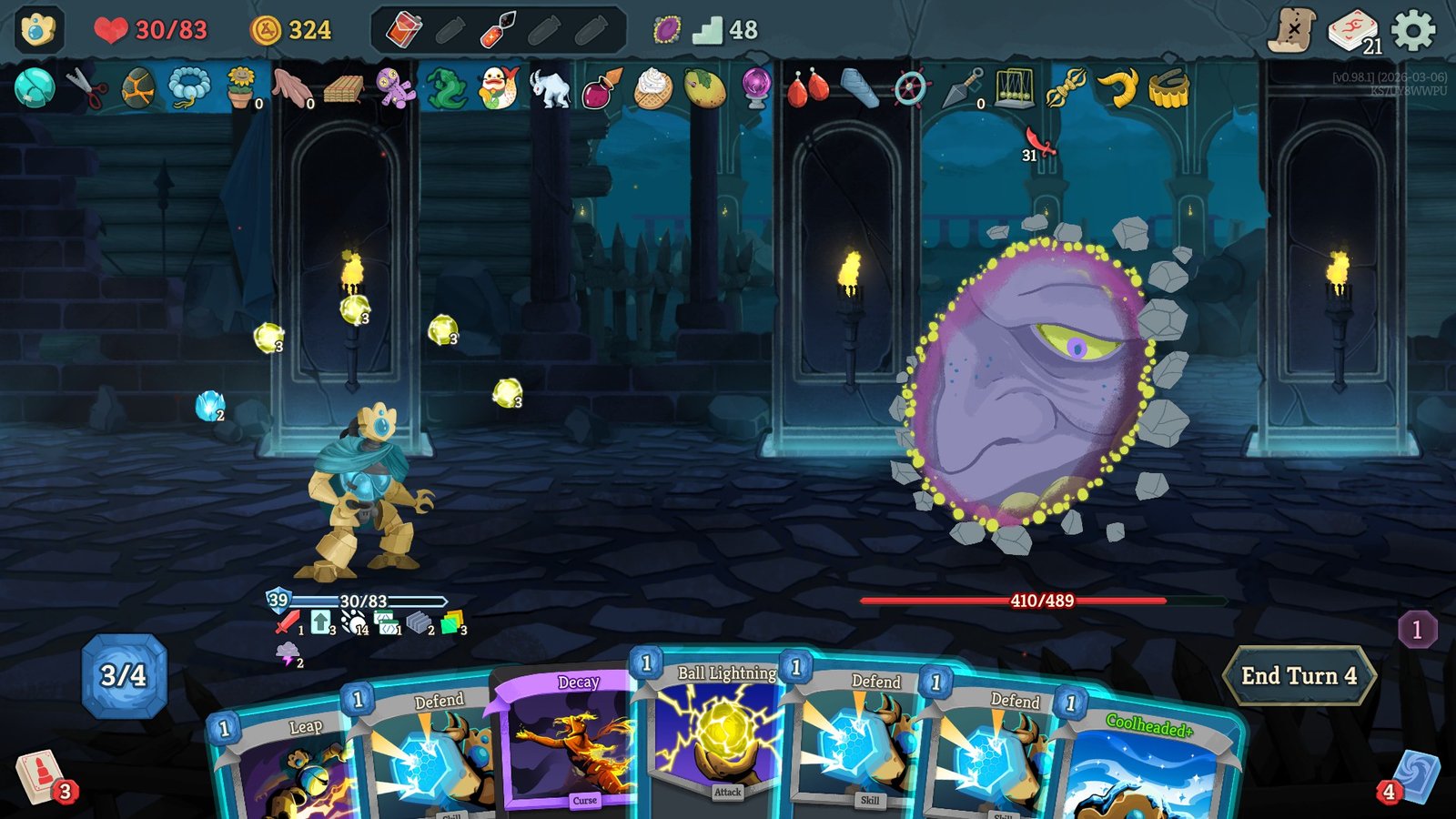
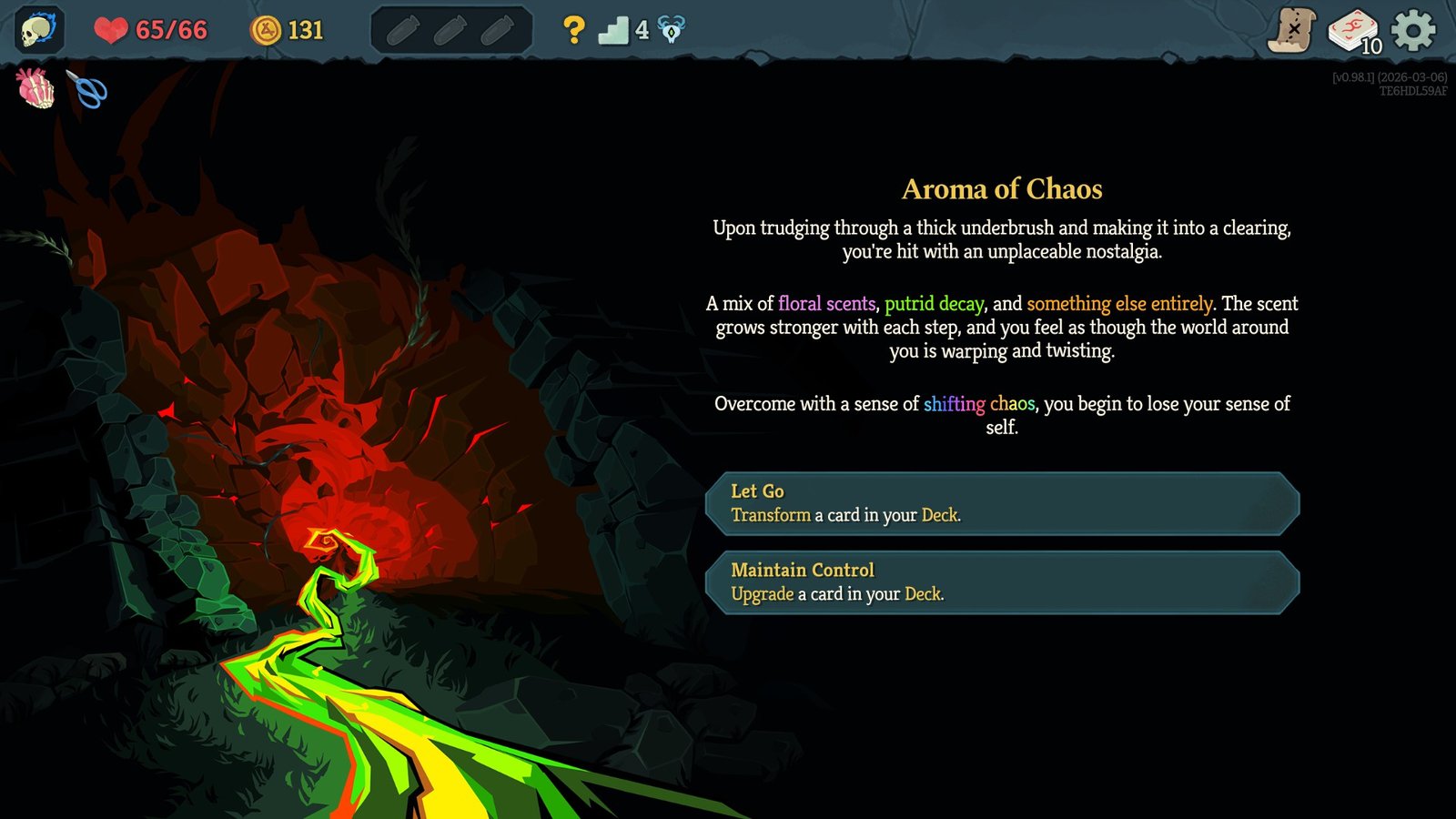
At its heart, Slay the Spire 2 retains the addictive, turn-based roguelike deckbuilding formula that made the first title a hit. Players navigate a series of battles, curating decks through synergies, relics, potions, and enchantments. The current build boasts five playable characters: returning favorites Ironclad, Silent, and Defect, joined by the new Regent—an alien monarch—and the Necrobinder, a necromancer with a skeletal companion.
Co-op: A Work in Progress
A major addition to the series is the four-player co-op mode. While it allows friends to tackle runs together, it currently lacks matchmaking and robust in-game communication tools. The experience feels somewhat limited, relying heavily on external voice chat rather than seamless team mechanics, and it would benefit from more co-op-specific cards and UI refinements.
What’s Missing in Early Access?
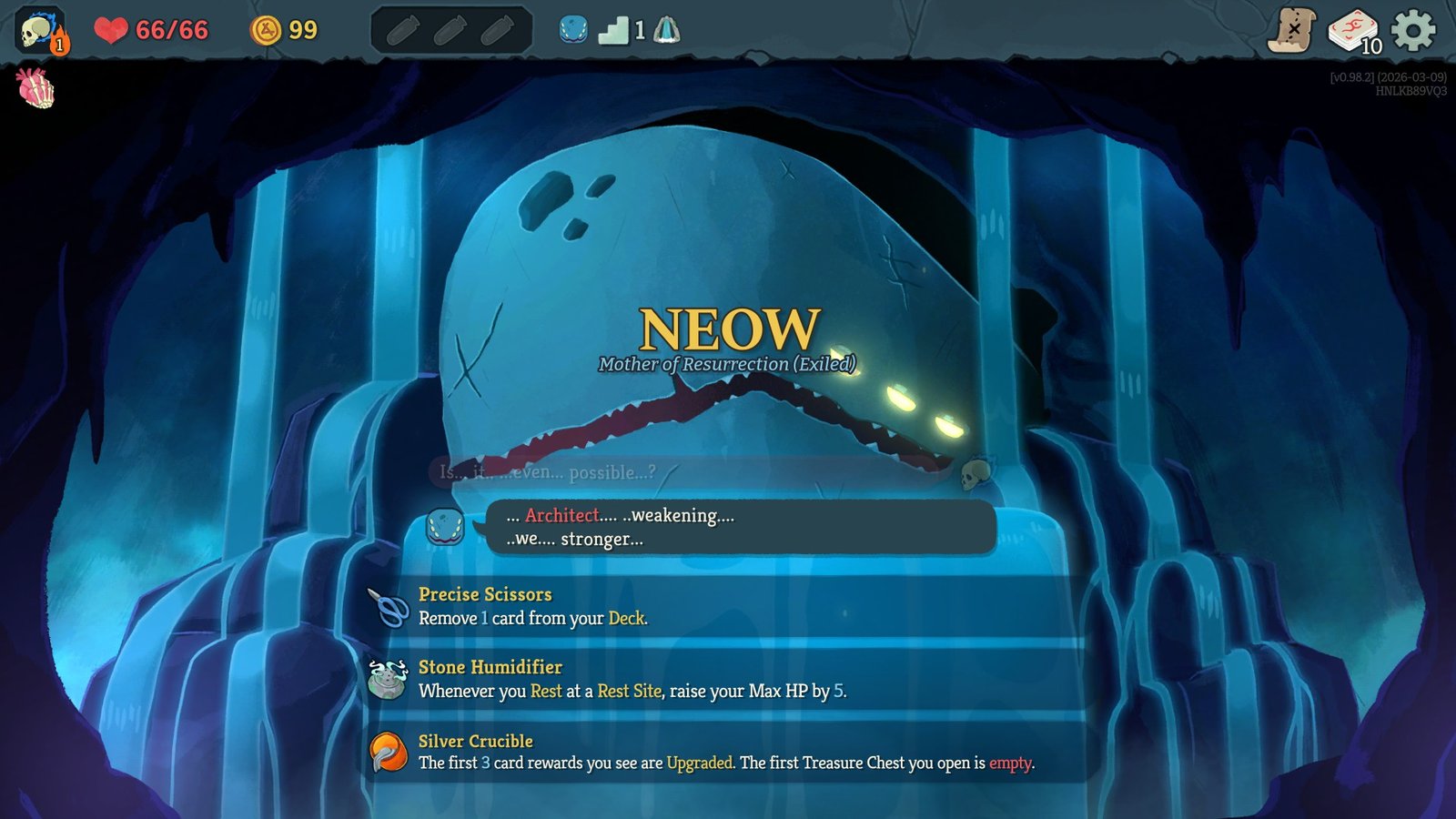
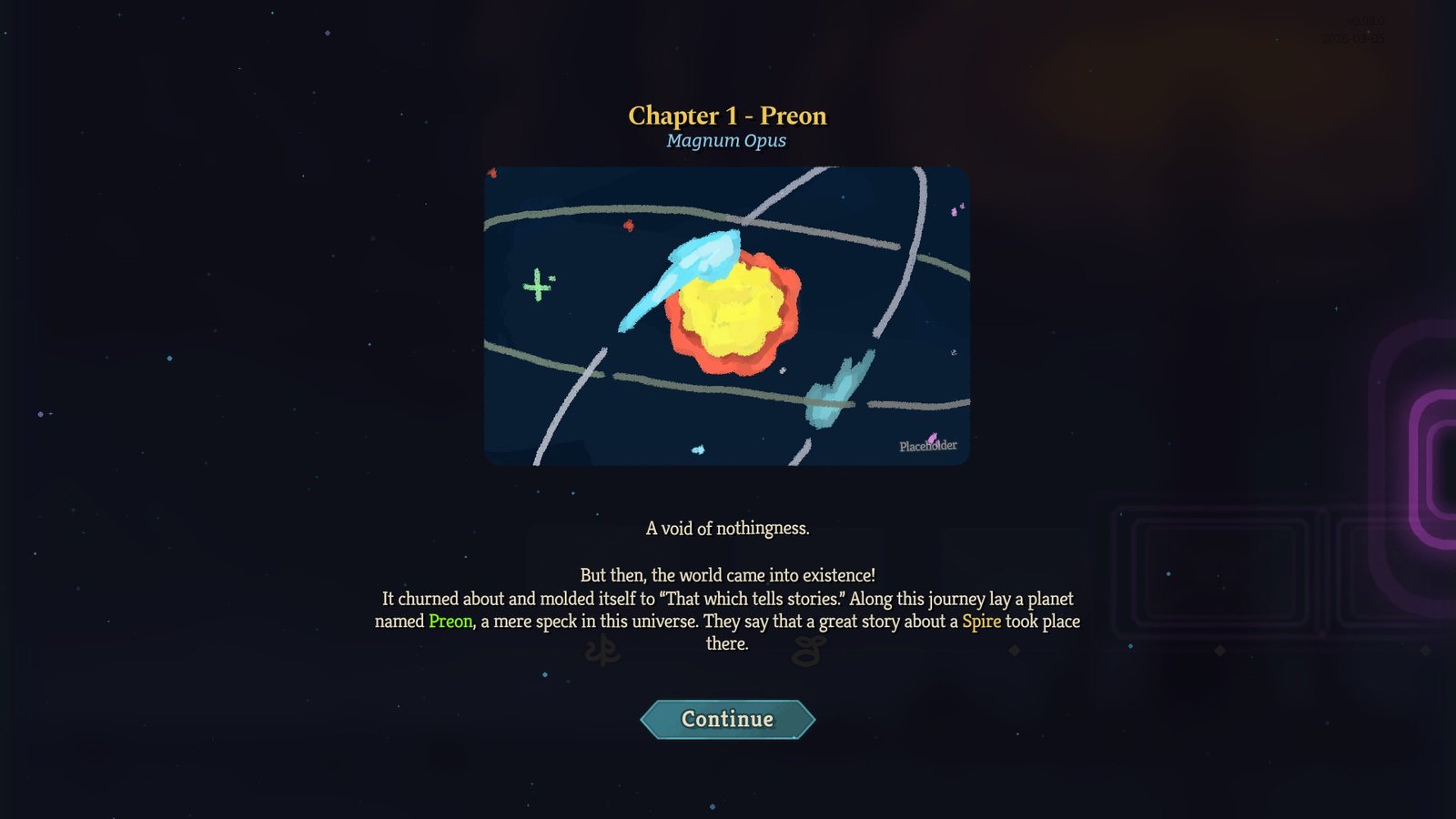
While the game features three acts and 10 levels of Ascension, it currently lacks a “true ending.” The Architect—the intended final boss—is not yet accessible, leaving a void in the game’s narrative arc. Furthermore, the new Epoch system, designed to reveal lore, remains bare-bones, often featuring placeholder text and art.
Verdict: Familiarity vs. Innovation
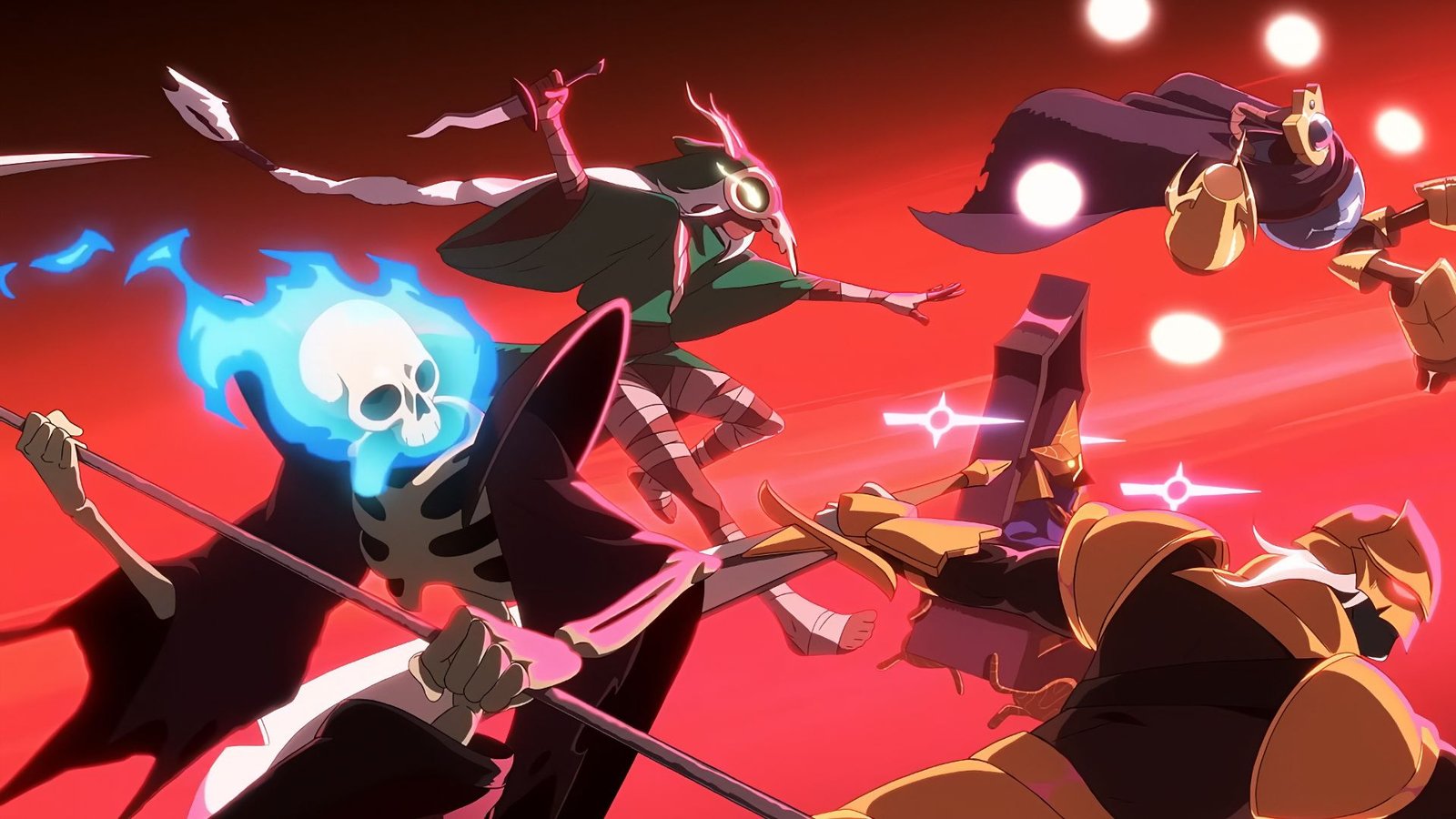
The biggest hurdle for Slay the Spire 2 is its overwhelming similarity to the original. For veterans, it feels like a polished, nostalgic remake rather than a bold step forward. While it remains a high-quality deckbuilder, it lacks the genre-shaking innovation seen in modern competitors like Balatro or Monster Train 2.
- For Veterans: If you crave more of the same, you will enjoy it. However, if you exhausted the first game, you might find this build stale.
- For Newcomers: This is a fantastic entry point to the series, offering deep, polished deckbuilding mechanics.
- For Roguelike Beginners: The learning curve is steep. You might be better served by more modern-feeling titles like Wildfrost or Cobalt Core, which offer complete, accessible experiences.