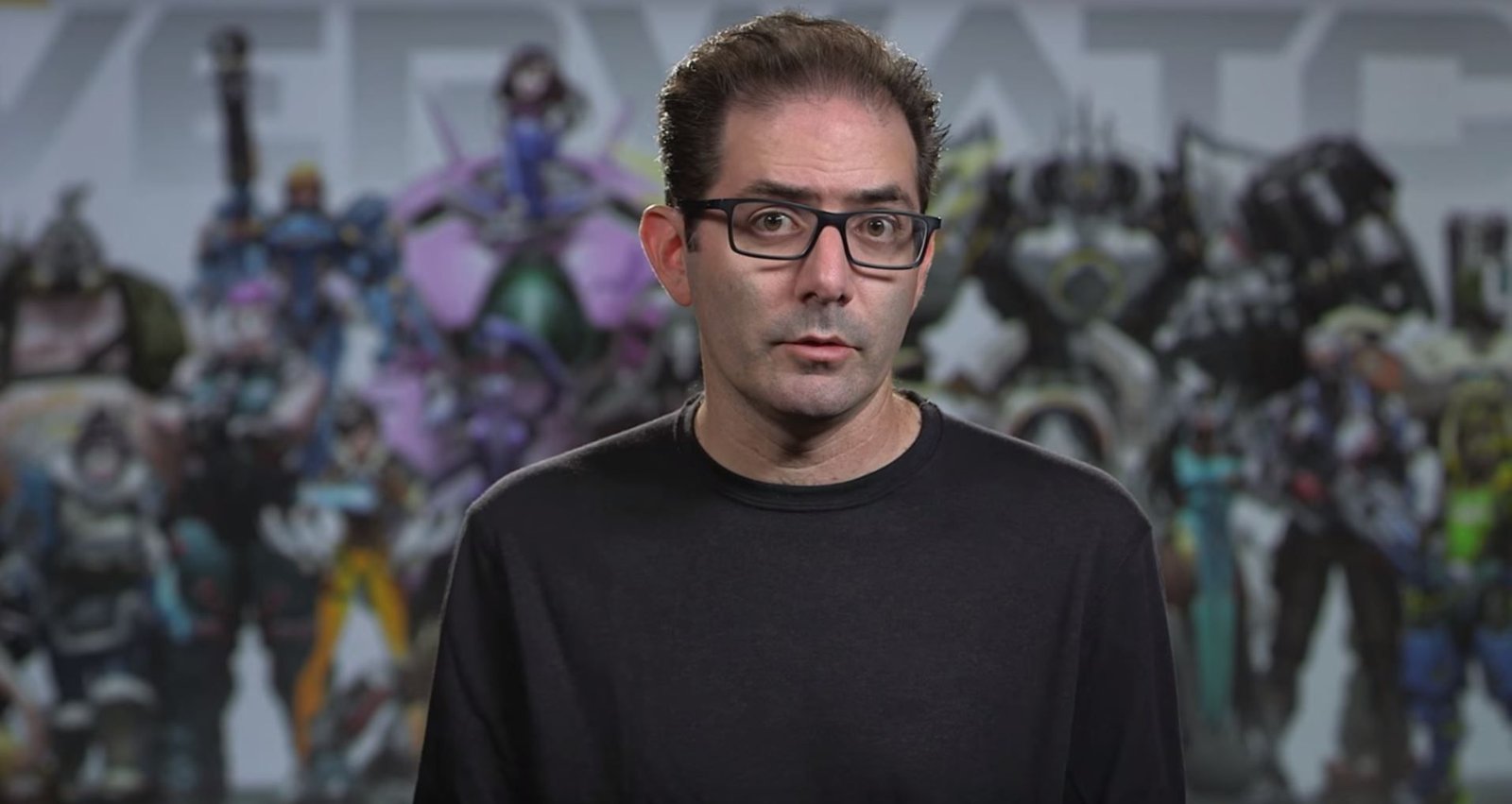
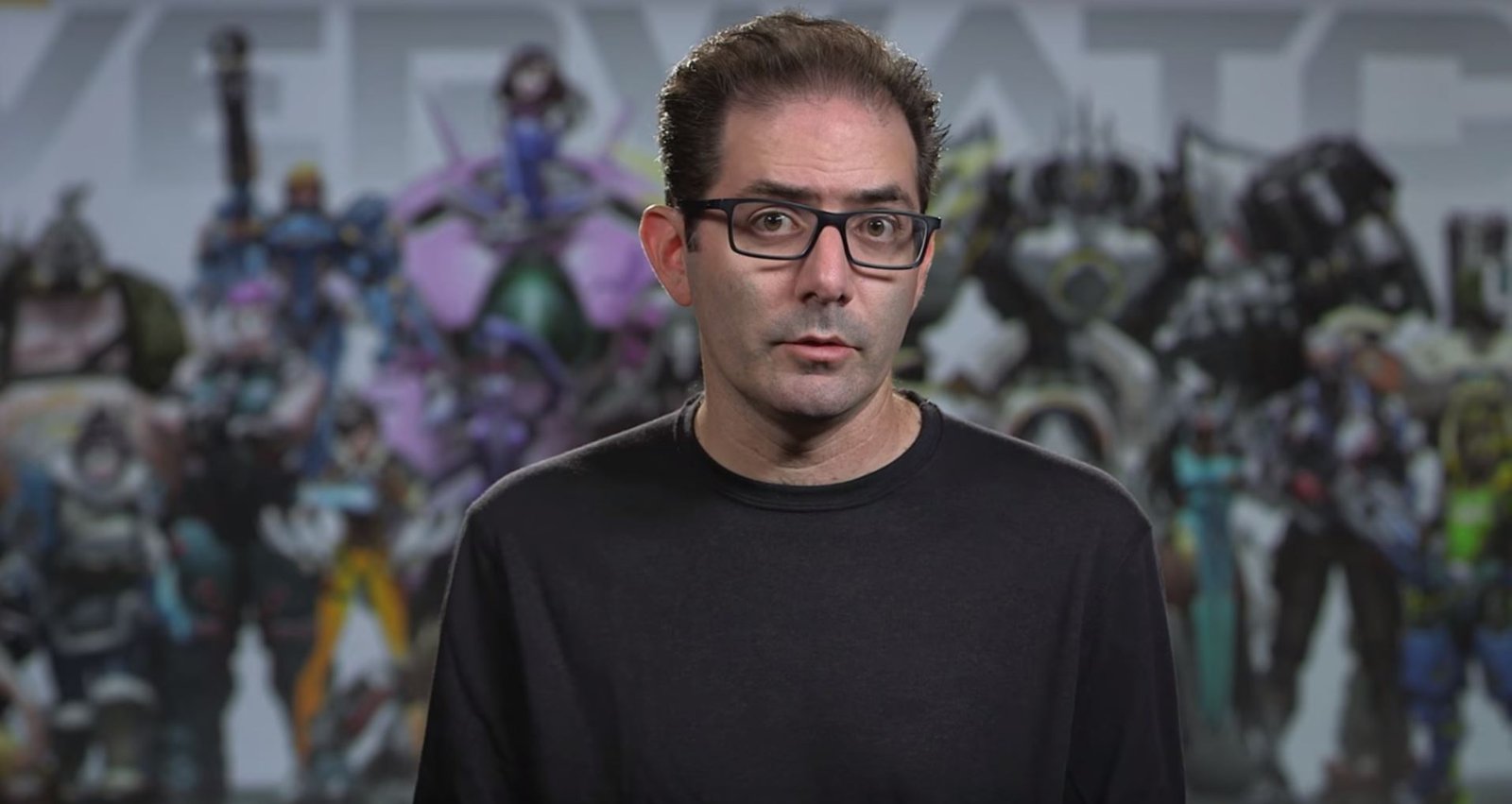
Former Blizzard vice president Jeff Kaplan revealed during a recent stream for his new studio’s project, The Legend of California, that he aggressively lobbied for World of Warcraft to be a first-person experience during its early development stages.
A Vision Rooted in EverQuest
While World of Warcraft eventually defined the third-person MMO standard that influenced countless titles, Kaplan’s initial vision was starkly different. “I really wanted WoW to be first-person,” Kaplan stated. “I argued a lot for that.”
Kaplan’s preference was heavily influenced by his time playing EverQuest, the game that served as his gateway into professional development. Despite the technical limitations of the era, he argued that the first-person perspective actually fostered a deeper connection with other players. “EQ was all first-person, and weirdly, because it was first-person, I saw my guildmates up close way more. And I feel like I saw and appreciated the character art way more,” he explained. According to Kaplan, the perspective shift made him care more about his character’s appearance because he knew others were observing him from that intimate vantage point.
The “What If” of MMO Design
The implications of a first-person World of Warcraft are significant when considering the game’s massive impact on industry standards. If the most successful MMO in history had launched from a first-person perspective, the “WoW clone” era of the late 2000s and early 2010s might have looked entirely different.
This design shift raises compelling questions about gameplay mechanics. How would the game’s spatial awareness, combat systems, and overall sense of scale have evolved to accommodate a first-person view? Furthermore, one must wonder if the iconic, oversized armor design—specifically the massive pauldrons Blizzard became famous for—would have even existed if players had to navigate the world while peering around their own gear.

Ultimately, while the development team leaned into the third-person perspective to allow players a full view of their characters, Kaplan’s “what if” scenario remains a fascinating look at the alternative paths the industry could have taken had that internal debate swung the other way.