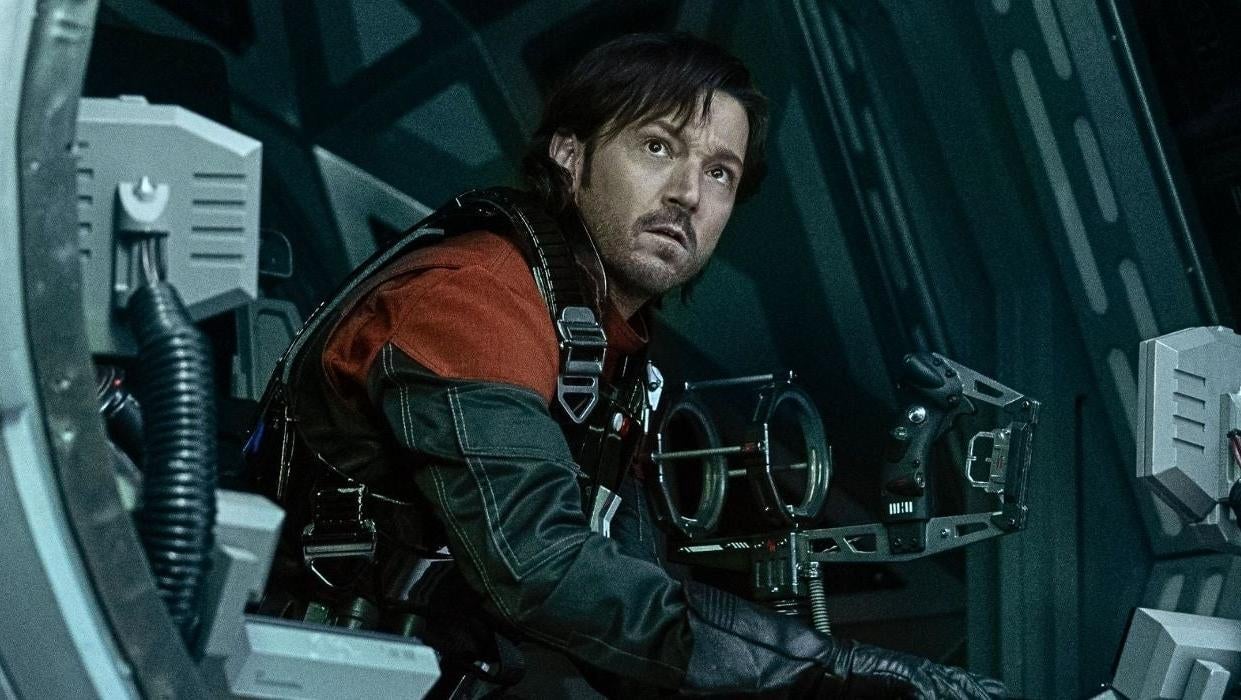
A simple blaster in Andor season 2 has become the centerpiece of the show’s most impressive narrative thread, connecting Cassian’s early run-ins with the Empire to the growing rebellion on Yavin. By tracking the weapon’s journey from Syril Karn’s holster to the hands of a Yavin recruit, the series demonstrates a masterclass in long-form storytelling that rewards attentive viewers without relying on hollow fan service.
The Blaster’s Surprising Journey
The realization stems from a brief moment in the latest episode, where rebel operative Vel spots a familiar insignia on a recruit’s weapon at the Yavin base. While the scene is quick, it serves as a crucial link to the show’s past. The weapon is, in fact, the same blaster Cassian Andor confiscated from Syril Karn back in season 1, during his escape from Morlana One.
The gun’s path is a testament to the show’s meticulous planning. After Cassian used it during the Aldhani heist—where he dismissively told Arvel Skeen he “didn’t get a name” regarding its origin—the blaster was stashed away in his apartment on Niamos. Following his incarceration on Narkina 5 and subsequent escape, Cassian reunited with fellow inmate Ruescott Melshi. Before parting ways to spread the truth about the prison, Cassian handed the weapon to Melshi. The presence of that same blaster at the Yavin base confirms Melshi’s successful journey to the rebellion.
More Than Just a Callback
What makes this detail resonate is how it elevates the thematic tension between Cassian and Syril Karn. Throughout the series, Syril has been driven by a pathological obsession with Cassian, viewing him as a symbol of disorder. Yet, for Cassian, Syril is essentially a non-entity. When they eventually clash during the Ghorman Massacre, Cassian’s genuine confusion—asking “Who are you?”—shatters Syril’s sense of self-importance. The blaster acts as a silent witness to this imbalance, serving as a breadcrumb trail that highlights how one man’s crusade meant absolutely nothing to the person he was hunting.
Why Andor Succeeds Where Others Fail
In an era of blockbuster franchises obsessed with shallow cameos and forced lore, Andor stands out by integrating its “easter eggs” directly into the character arcs. Unlike typical franchise entries that drop names simply to drive traffic to fan wikis, Andor uses its history to deepen the stakes of the present narrative.
This approach echoes the show’s handling of iconic lines, such as the origin of “rebellions are built on hope.” By giving these moments weight through tangible events—like the Ghorman bellhop delivering the line before a desperate act of sacrifice—the series avoids the trap of being “slavishly devoted” to canon. Instead, it builds a cohesive, lived-in world where every prop and line of dialogue serves a purpose, proving that the best lore is earned, not just cited.