
The second season of HBO’s The Last of Us has reached its conclusion, but for fans of the source material, the journey feels far from over—and arguably, only halfway through its complex narrative. As the show gears up for a four-season run, this finale wraps up the first half of the revenge arc, leaving viewers on a polarizing cliffhanger that sets the stage for a massive shift in perspective in season three.
The Aftermath of Violence
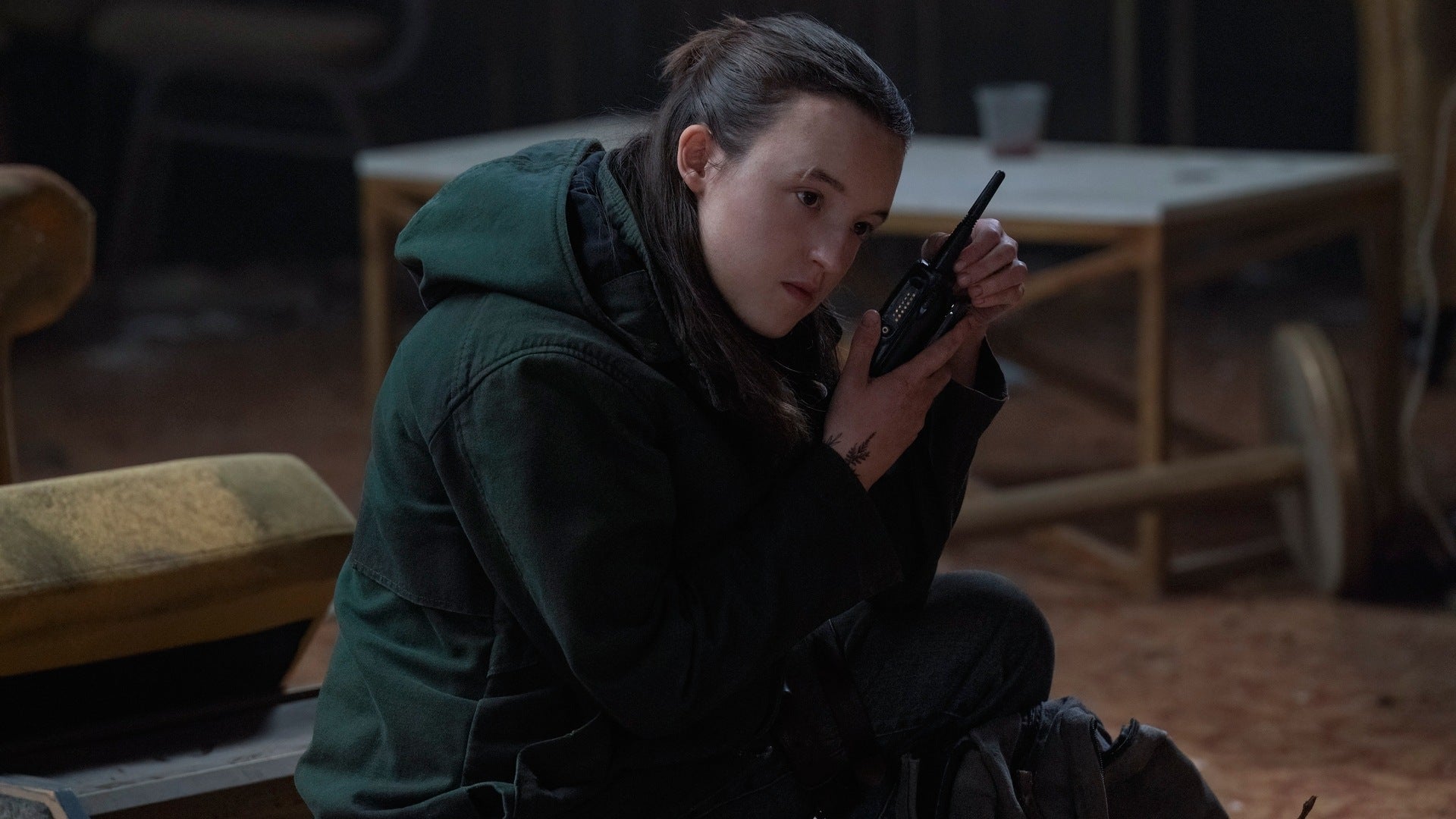
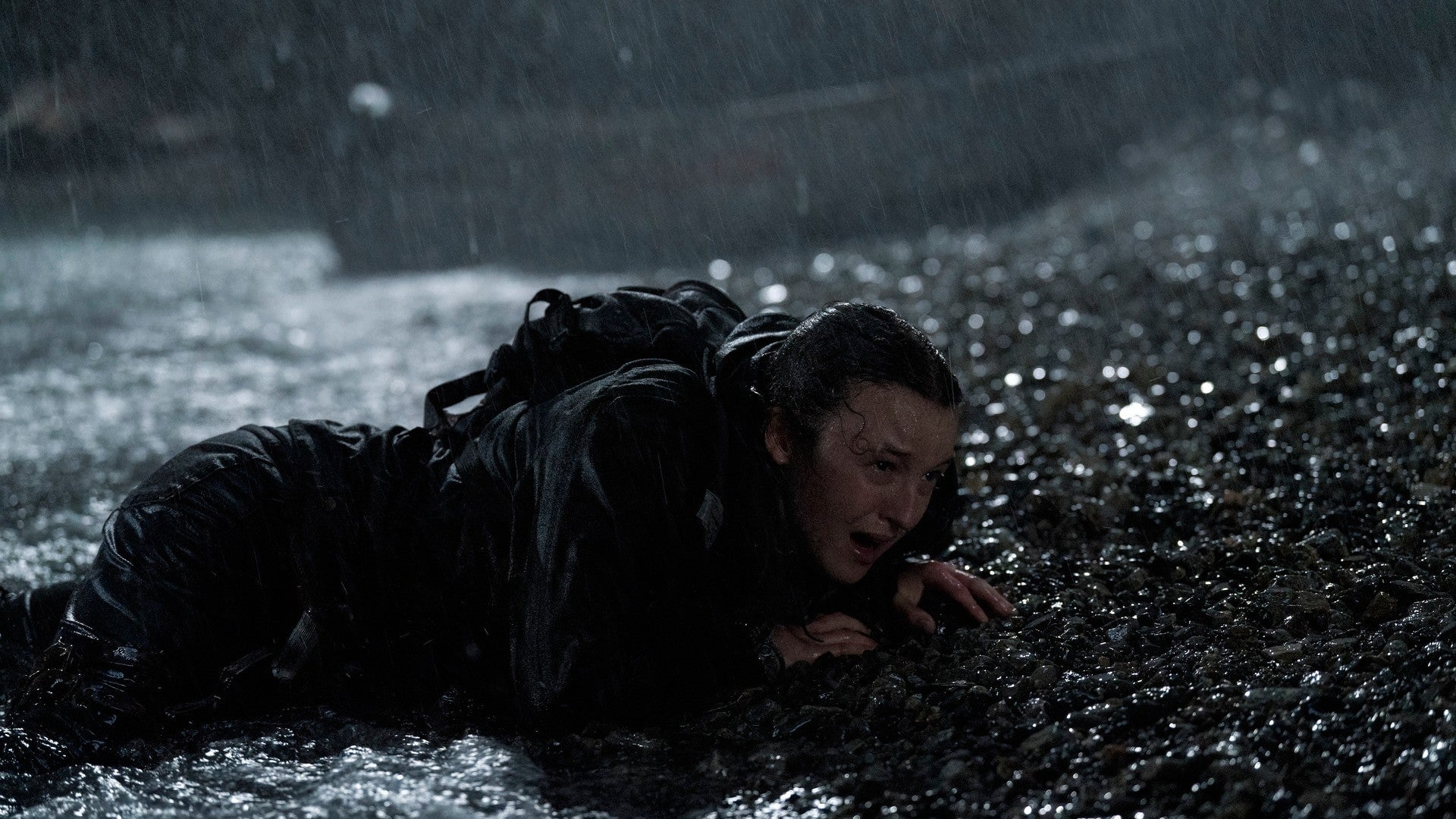
The episode opens with the grim reality of survival. Jesse (Young Mazino) is tending to Dina (Isabela Merced) after her encounter with the Seraphites, performing crude field surgery to remove an arrow. The tension is palpable as Ellie (Bella Ramsey) returns to their theater base, haunted by her brutal confrontation with Nora (Tati Gabrielle). Ellie admits to Dina that she made Nora talk by inflicting pain—a revelation that paints a darker picture of Ellie’s descent into violence compared to the game’s more internal, traumatized portrayal.
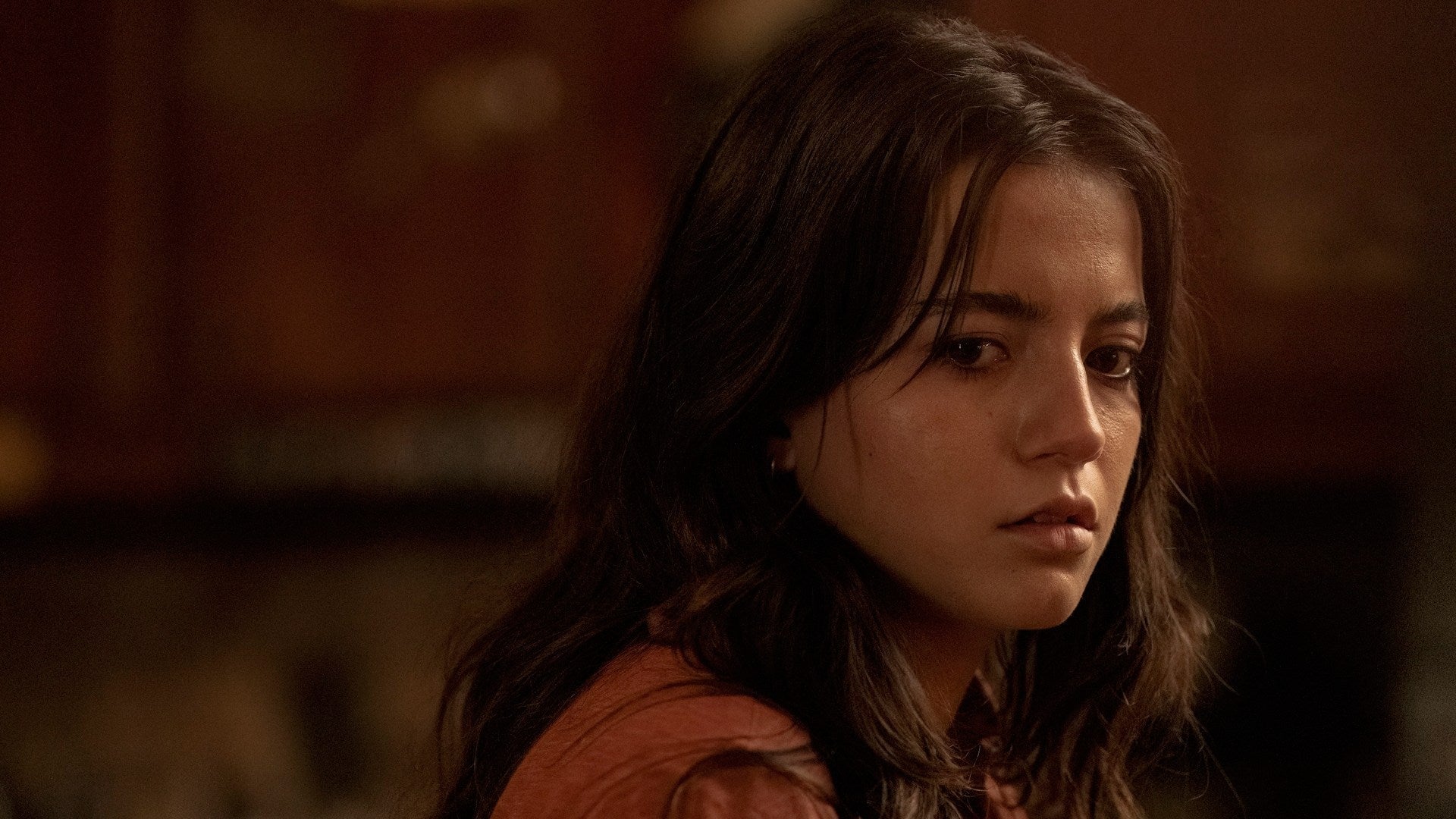
The show doubles down on the idea that Ellie is inherently drawn to violence, a creative choice that has sparked debate. While the game framed her actions as a desperate reaction to grief, the series leans into a more cynical interpretation, suggesting that Ellie possesses a capacity for sadism that she is only beginning to grapple with. Dina, upon learning the truth about Joel’s massacre of the Fireflies in Salt Lake City, begins to pull away, setting up a fracture in their relationship that echoes the shifting dynamics of the game.
The Strain on Alliances
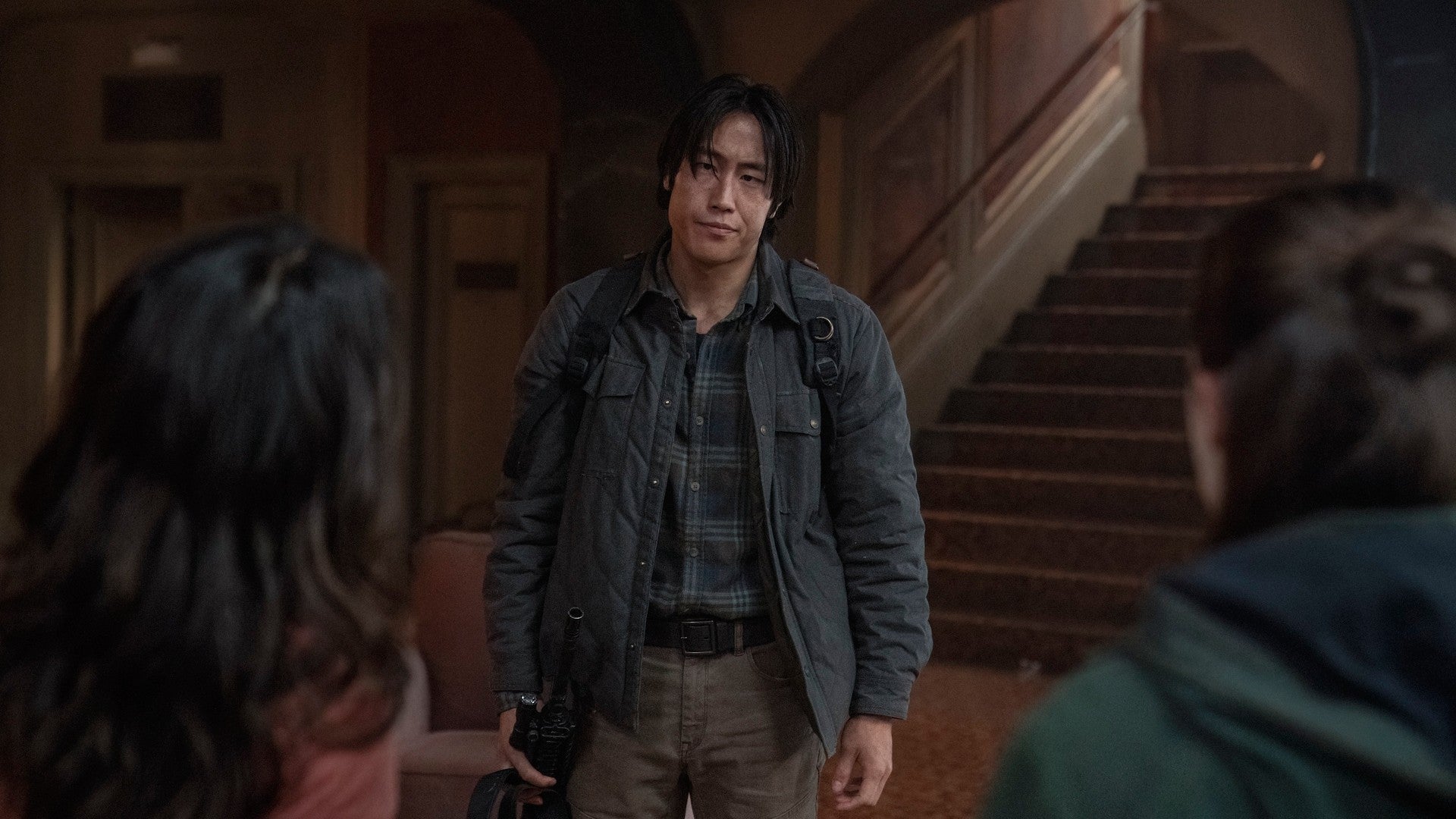
As the group prepares to track down Tommy (Gabriel Luna), the friction between Ellie and Jesse reaches a breaking point. Jesse, now aware of Dina’s pregnancy and the romantic shift between the two women, struggles with the morality of their mission. The series portrays Jesse as increasingly self-interested, a departure from his more selfless depiction in the game, which complicates the viewer’s ability to sympathize with the Jackson crew.
Meanwhile, the W.L.F. leadership is in disarray. Isaac (Jeffrey Wright) is fixated on Abby’s (Kaitlyn Dever) disappearance, viewing her as the essential successor to his militia. A bizarre exchange between Isaac and Sergeant Park hints at inappropriate power dynamics, a choice that feels like an unnecessary addition to the show’s already heavy-handed script.
The Aquarium and the Breaking Point
Ellie eventually makes her way to the aquarium, hoping to find Abby. There, she encounters Owen and Mel. In a tragic turn of events, a tense standoff leads to a bloodbath. Unlike the game, where Mel’s death is a result of a direct struggle, the show frames her demise as collateral damage in a chaotic accident. The discovery of Mel’s pregnancy serves as a final, brutal blow to Ellie, who is left in a state of shock.
A Fatal Confrontation
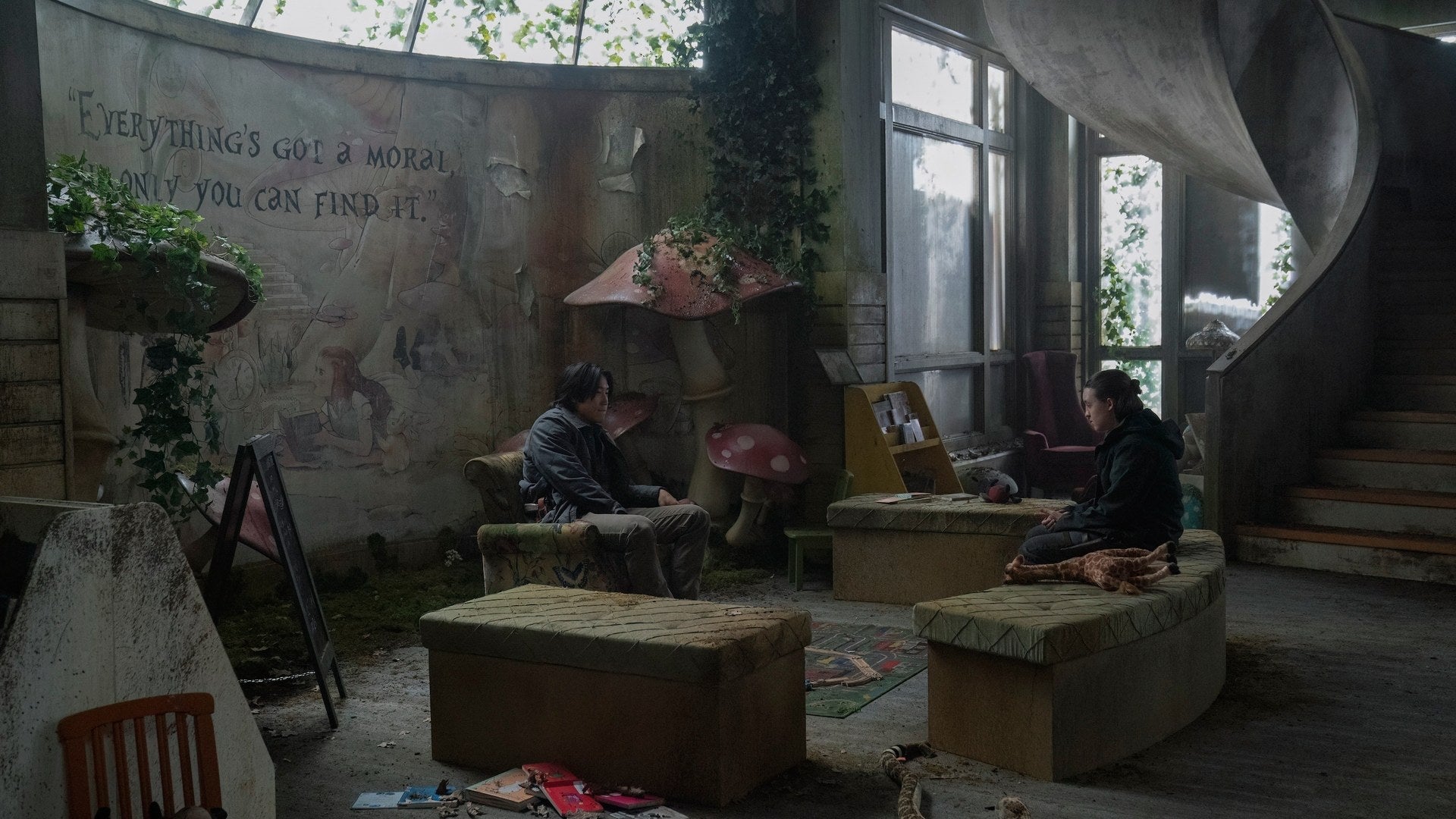
Back at the theater, the reunion is short-lived. In a scene mirrored closely from the game, Jesse is gunned down instantly by Abby. The encounter forces Ellie into a corner, where she pleads for Tommy’s life, revealing that she—not Joel—is the one Abby should be targeting. The episode ends on a jarring cut to black, leaving the fates of the characters hanging in the balance.
Looking Ahead: The Abby Perspective
The final moments of the season offer a flashback to Seattle, Day One. This confirms that season three will likely pivot entirely to Abby’s perspective, mirroring the game’s bold structural shift. While the show has faced criticism for its deviations and tone, it remains committed to the core narrative beats of The Last of Us Part II. Whether audiences are ready to walk in Abby’s shoes for an entire season remains to be seen, but the stage is set for a confrontation that will define the remainder of the series.