


Wikigacha has emerged as the latest viral browser-based obsession, tasking players with opening digital card packs to collect random Wikipedia articles. The game, which has rapidly gained traction among the PC Gamer staff, transforms the infinite rabbit hole of Wikipedia into a competitive gacha experience where users build collections ranging from historical landmarks to obscure lists.
From Random Articles to Digital Collectibles
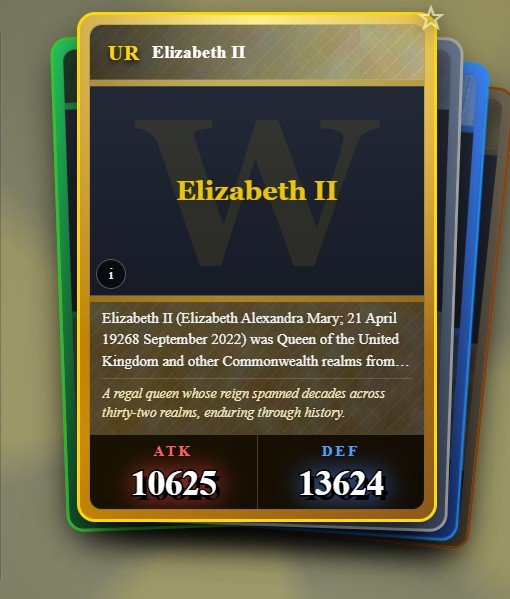
The collection mechanics are as unpredictable as the platform itself. Players might pull anything from “The Macombs Dam Bridge” and “Elizabeth II” to more unexpected results. The game’s appeal lies in its parody of the traditional gacha genre; instead of collecting anime characters, players find themselves hoarding cards like “List of Red Hot Chili Peppers band members” or, in more awkward instances, “Religious views of Adolf Hitler” and “School segregation in the United States.”
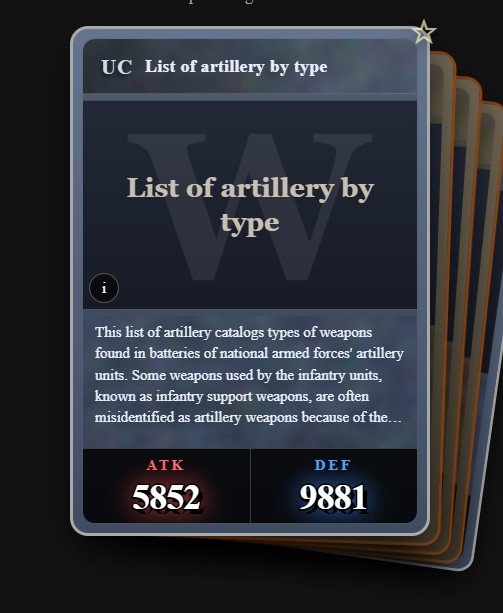
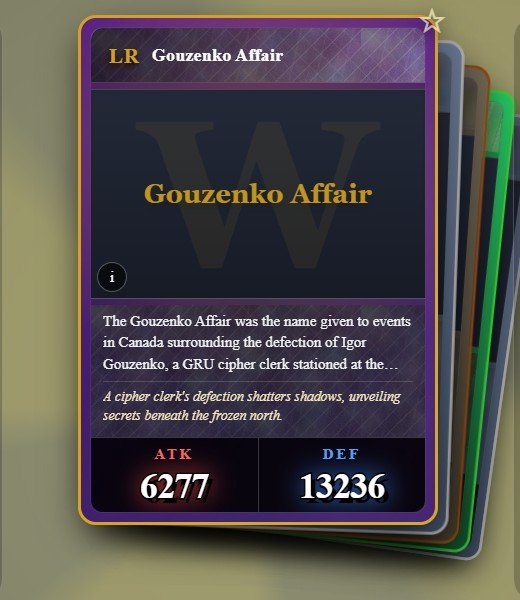
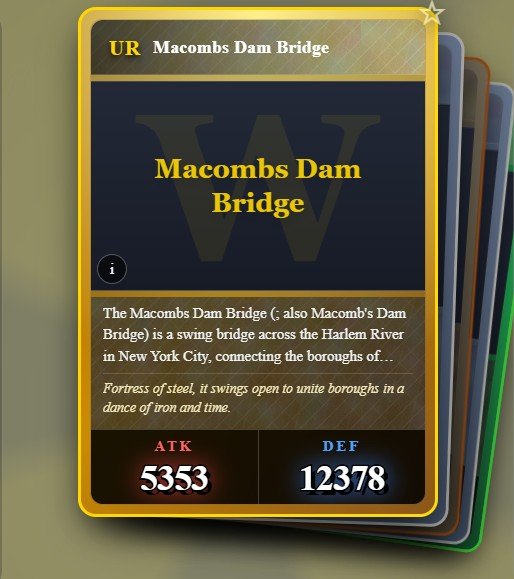
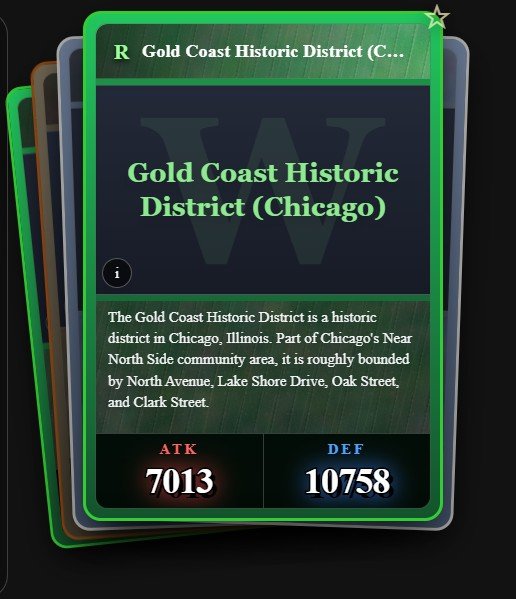

Strategic Battles and Gameplay Mechanics
Beyond simple collecting, Wikigacha introduces a surprisingly functional battle system. A card’s offensive power is dictated by the popularity of its corresponding Wikipedia article, while its defensive capabilities are scaled based on the article’s total length. Players utilize these cards to engage in daily “raid bosses”—rare, high-health cards that require a war of attrition to defeat.
Fair Progression and Ethical Concerns
The game eschews predatory monetization, offering 10 free packs per day with a rapid one-minute recharge rate. While there is an option to watch ads to refill the pack counter, the implementation appears inconsistent for international users. However, the project is not without its controversies; the use of generative AI to produce “Magic-style” flavor text for rare cards has drawn criticism, despite the game’s otherwise engaging and addictive nature that continues to disrupt productivity for those who fall into its loop.