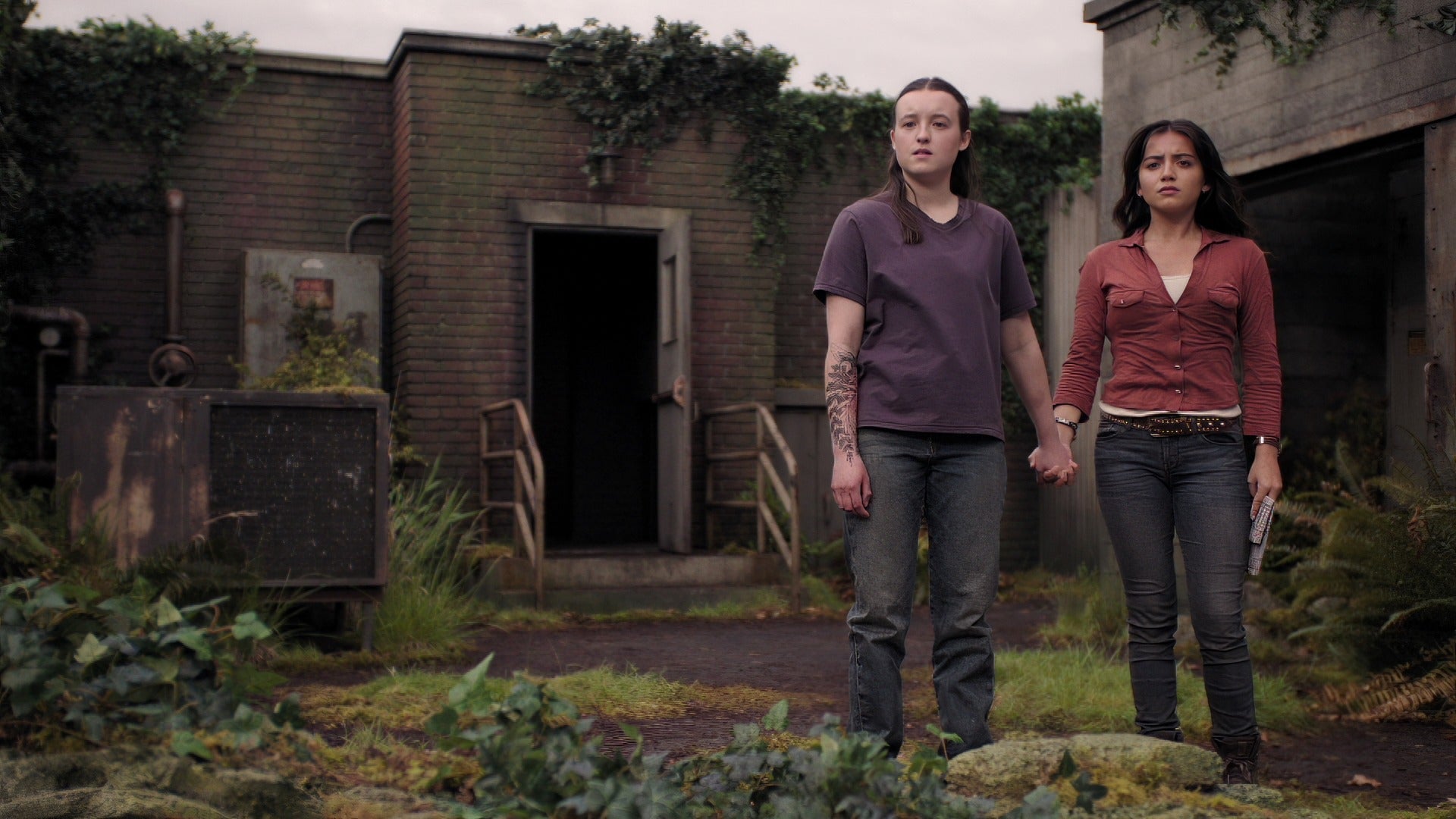
After a four-week buildup, HBO’s The Last of Us finally saw Ellie and Dina consummate their relationship, sparking a polarized reaction among fans regarding the show’s departure from the source material. While the adaptation forces a “will they, won’t they” dynamic that wasn’t present in the game, the shift toward a more idealized version of their domestic life has left some viewers questioning if the series is losing its edge.
Diverging Paths: Game vs. Show
In The Last of Us Part II, the romance between the two leads unfolds under vastly different circumstances. In the game, their connection begins before the trauma of Joel’s death, allowing for a relatively conflict-free honeymoon phase. The tension only truly surfaces when Dina reveals her pregnancy with her ex, Jesse. In the game, Ellie reacts with visceral anger, labeling Dina a “burden” and expressing frustration that this development jeopardizes her revenge mission in Seattle. It is a raw, unflattering moment that highlights how Ellie’s obsession with violence poisons her personal connections.
The “Softening” of Ellie’s Character
Contrast this with the HBO adaptation, where Ellie’s reaction to the pregnancy is one of genuine excitement. Bella Ramsey’s delivery of the line, “I’m gonna be a dad,” has already become a viral meme, capturing a sweetness that has charmed many viewers. However, this tonal shift has fueled criticism that the show is afraid to let its protagonists be unlikeable.
https://twitter.com/embed/status/1919208348156625163
Is HBO Pulling Its Punches?
Critics of the show’s creative direction argue that this is part of a larger trend. From justifying Joel’s brutality in season one to softening Abby’s motivations in season two, the series consistently rounds off the “thorny” edges of its characters to make them more palatable to a television audience. By removing the callousness Ellie displays in the game, the show risks undermining the complexity of her descent into darkness.
While the moment provides a necessary reprieve from the relentless brutality of the past few episodes, it raises a valid concern: if the show is unwilling to embrace the uglier, more difficult aspects of its characters now, how will it handle the increasingly grim trajectory of the story ahead? For now, viewers are left to enjoy the fleeting domestic bliss, even as the narrative tension suggests that a darker turn is inevitable.