
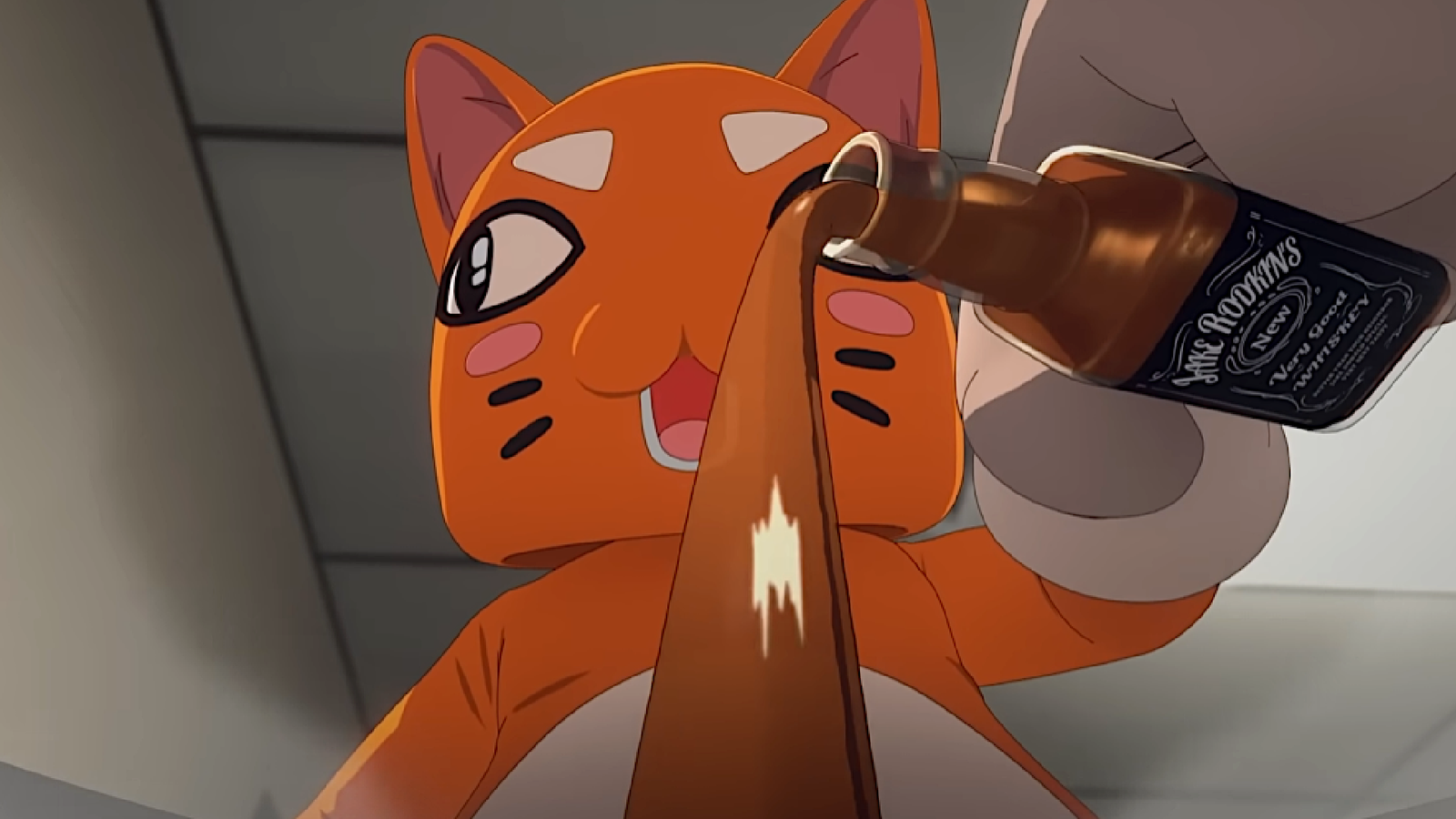
AdHoc Studio’s creative directors Nick Herman and Dennis Lenart successfully revitalized the controversial Quick Time Event (QTE) mechanic in their latest title, Dispatch, by prioritizing player agency and abandoning the punishing design tropes of the 2010s.
From “No QTEs” to Design Success
During a GDC talk, the co-founders revealed that the development process was initially defined by a firm stance: “We are definitely not doing QTEs.” Early internal tests focused on light puzzle minigames tied to the protagonist’s role at SDN. However, the team struggled to find a balance where gameplay felt meaningful rather than a chore—a habit they admitted was a remnant of their time at Telltale Games.
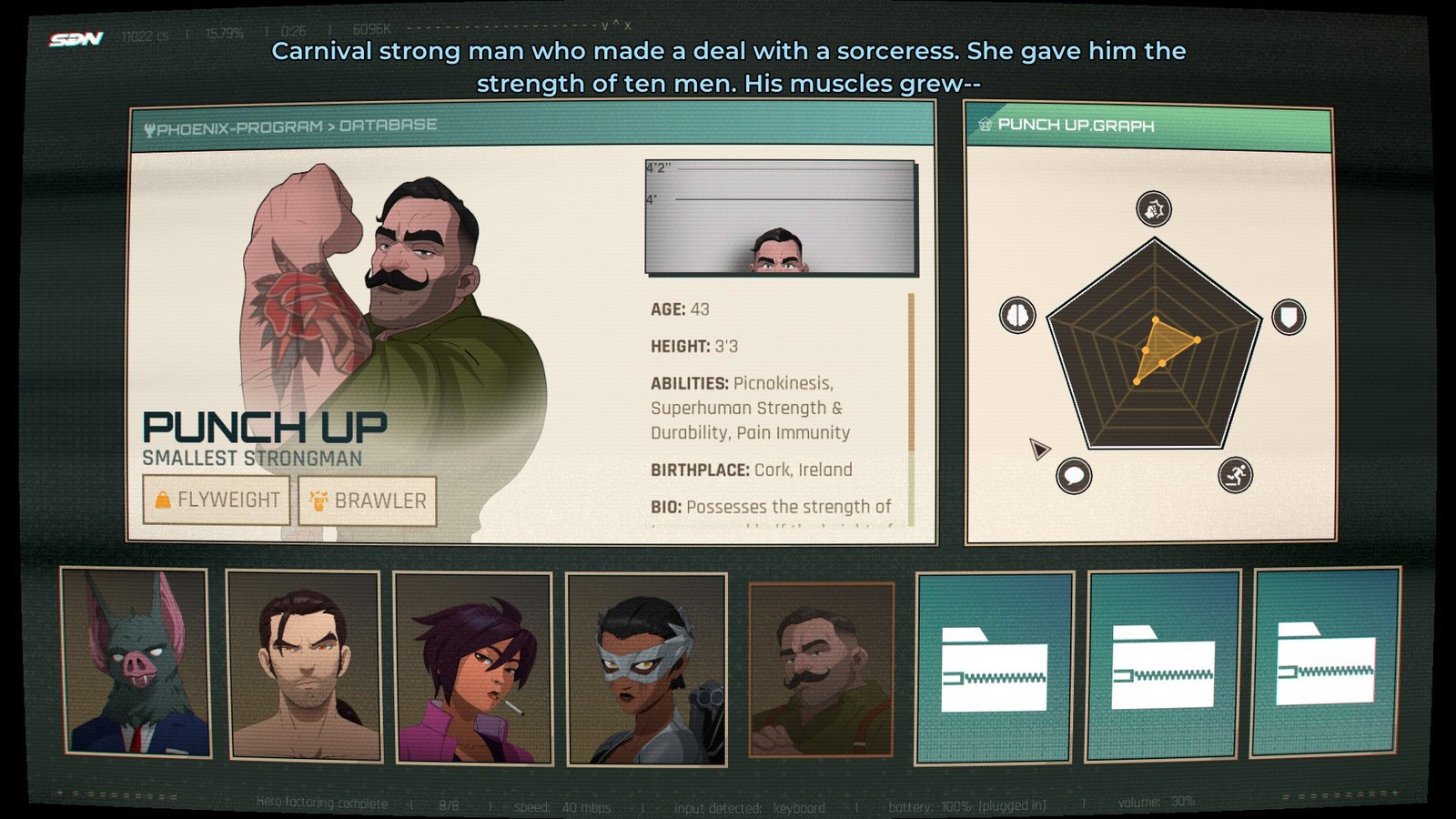
Herman noted that early concepts, such as navigating security camera feeds to assist Invisigal, felt unique but lacked the “fun factor.” To pivot, the studio looked toward management simulations like This is the Police. This shift led to the creation of the “Z Team,” transforming the game into a strategic management experience that provided the necessary framework for the dispatching minigames.
Mastering the Mechanics of Interaction
Once the team realized that cinematic action required player interaction to feel cohesive, they reconsidered their stance on QTEs. They concluded that players do not inherently hate QTEs—they hate poorly implemented ones. To avoid the “curse” of the mechanic, AdHoc established two core rules.
First, they adjusted the difficulty curve: “We learned that as long as people hit 80% or more of the prompts, they reported back that it actually felt good,” Lenart explained. To streamline this, they removed penalties for early button presses or excessive mashing, allowing for a more forgiving and fluid experience.
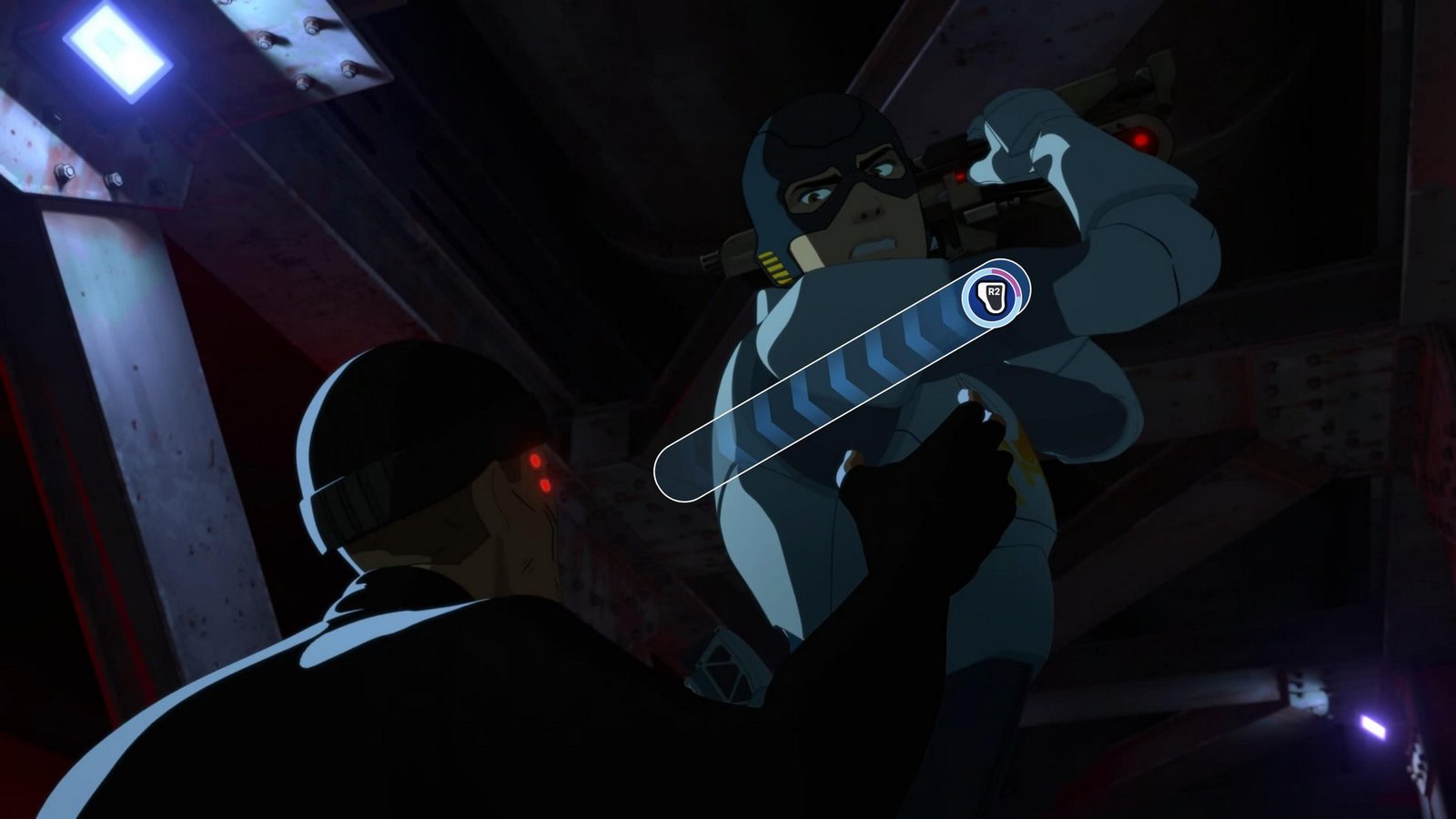
Second, acknowledging that some players might still find the mechanic intrusive, AdHoc made QTEs entirely optional. As Herman put it, “This was not a hill we wanted to die on.” By removing the pressure of failure, the studio turned a once-hated relic of game design into a seamless part of the Dispatch experience.
While the hacking minigames provide a stiffer challenge, the integration of these refined QTEs demonstrates that even the most “outdated” mechanics can thrive when developers prioritize player satisfaction over rigid adherence to traditional difficulty.