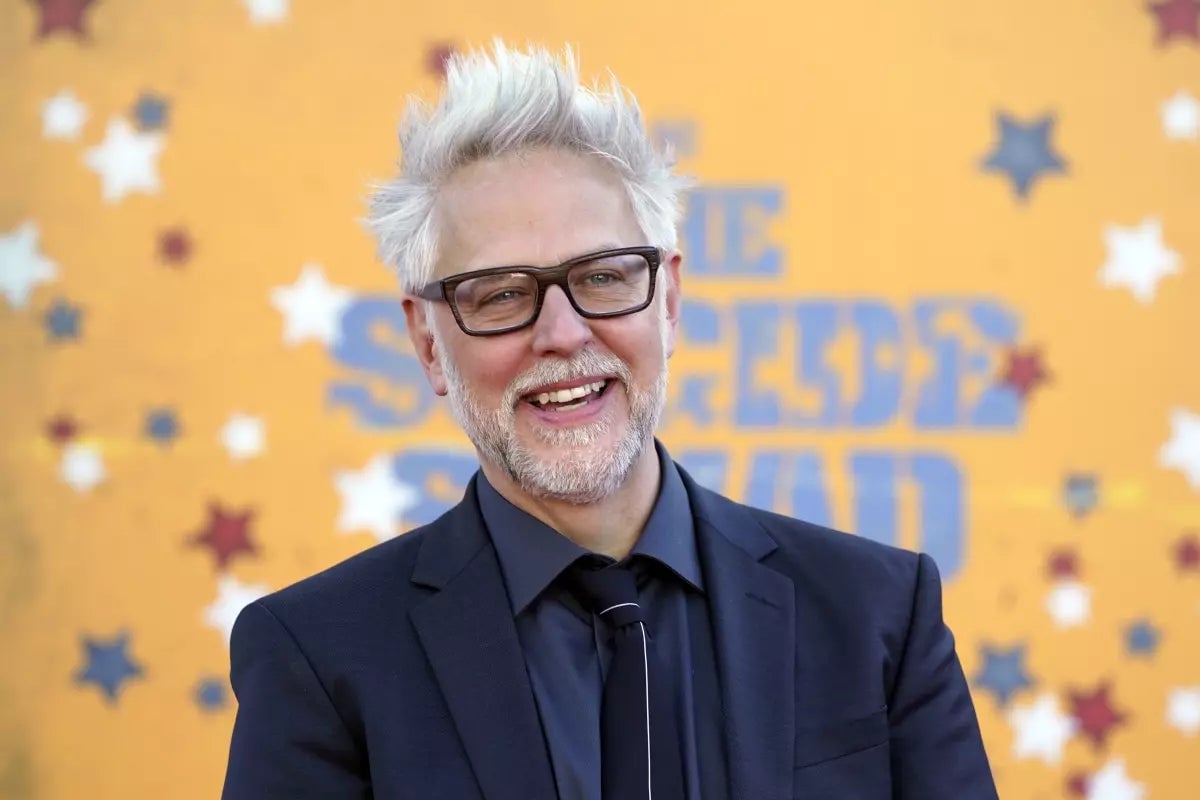
DC Studios co-CEO James Gunn is officially moving to banish repetitive origin stories from the DC Universe, arguing that audiences no longer need to see iconic hero backstories retold on the big screen ahead of his upcoming Superman film release on July 11.
Why Audiences Are Tired of the Same Old Tropes
Superhero lore has reached a level of cultural saturation comparable to actual history. From the radioactive spider that created Spider-Man to the tragic murder of Bruce Wayne’s parents in a Gotham alleyway, these narratives are deeply embedded in the public consciousness. Gunn, speaking with The Times, emphasized that these tales have become so ubiquitous that wasting valuable runtime on them is a disservice to modern storytelling.
“I don’t need to see pearls in a back alley when Batman’s parents are killed. I don’t need to see the radioactive spider biting Spider-Man. And I don’t need to see baby Kal coming from Krypton in a little baby rocket,” Gunn stated. He drew a sharp comparison to traditional cinema, noting that viewers accept complex characters in dramas like Good Night, and Good Luck without requiring an exhaustive exploration of their childhoods to justify their adult motivations.
The Evolution of Hero Deconstruction
The traditional purpose of an origin story is to foster an emotional connection between the audience and the character. However, recent hits like Matt Reeves’s The Batman have proven that audiences can grasp a character’s internal torment and psychological damage without witnessing their trauma unfold in the first act. In modern cinema, these heroes are often defined by their current actions and compulsions rather than the static events of their past.
Gunn’s Disruptive Approach to the DCU
Gunn’s bold stance is part of a broader, unfiltered strategy as he takes the helm of the DCU. Whether he is addressing the political nuances of his new Superman project or confronting critics head-on regarding his casting choices, Gunn is clearly uninterested in playing by the traditional Hollywood playbook. By cutting the “origin story” fat, he aims to challenge the superhero industrial complex and prioritize character-driven narratives over redundant exposition.