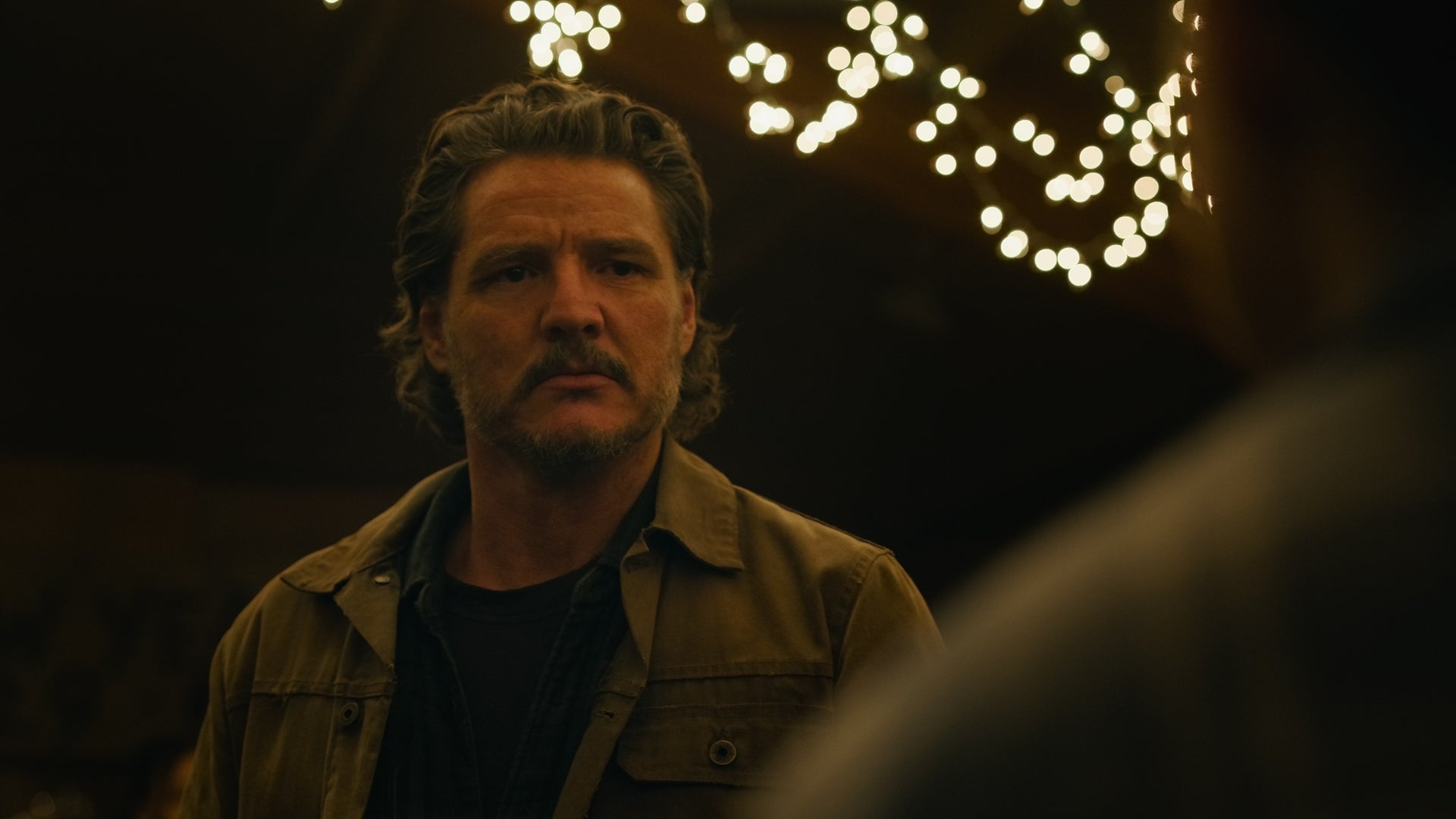
“Future Days,” the premiere of The Last of Us season two, picks up exactly where the debut season left off: Joel (Pedro Pascal) and Ellie (Bella Ramsey) arriving at the gates of Jackson. However, the show immediately subverts its own iconic closing moment. Instead of the famous cut-to-black after Joel swears his lie about the Fireflies is true, we watch Ellie walk away in a silence that feels heavy with unearned narrative baggage. This creative choice serves as a microcosm for the episode’s broader struggle: prioritizing explicit explanation over the subtle, haunting ambiguity that defined the original game.
Abby’s Early Entrance and the Loss of Mystery
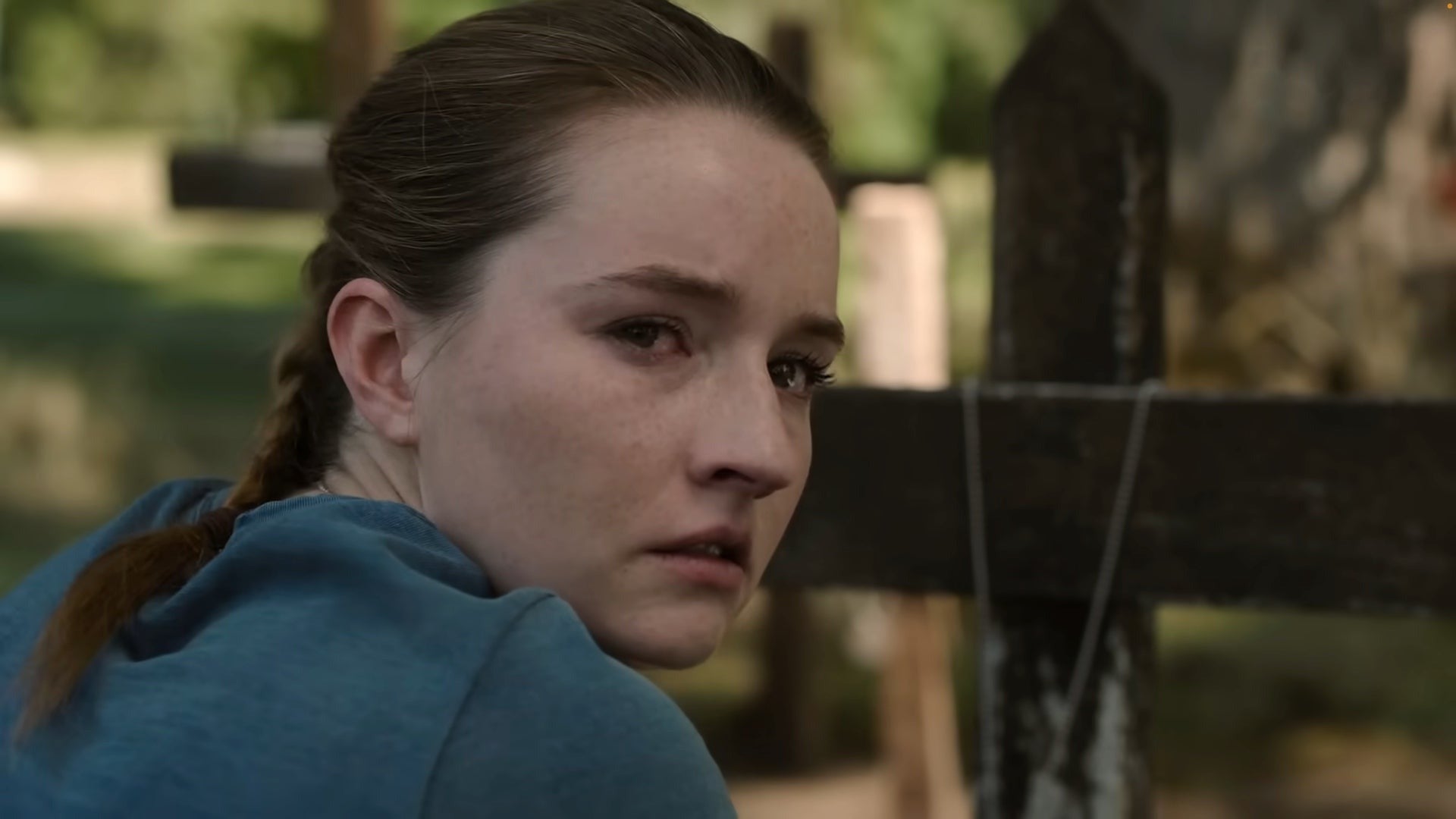
The episode introduces Kaitlyn Dever as Abby, framing her mission of vengeance against Joel with surprising, almost blunt, clarity. While Naughty Dog’s The Last of Us Part II masterfully withheld information to heighten tension and perspective shifts, the HBO series chooses to lay its cards on the table immediately. Abby’s desire to kill Joel “slowly” is established in the opening minutes, stripping away the narrative mystique that made the game’s reveal so gut-wrenching. While Dever delivers a fierce performance, the script often feels stilted, forcing characters to vocalize their internal states rather than letting the subtext breathe.
Jackson: A Five-Year Time Jump
The narrative jumps five years, landing us in a Jackson that feels lived-in and authentic to the source material. Ellie is now a hardened survivor, though the show portrays her violent tendencies as a reaction to being “sheltered” by the men in her life. This is a departure from her portrayal in the games, and it remains a messy thread to pull. Ramsey’s performance captures a more bratty, youthful energy compared to the weary, dejected loner seen in the games, which creates a jarring contrast during the episode’s more serious sequences.
Joel’s Domestic Struggle and Therapy
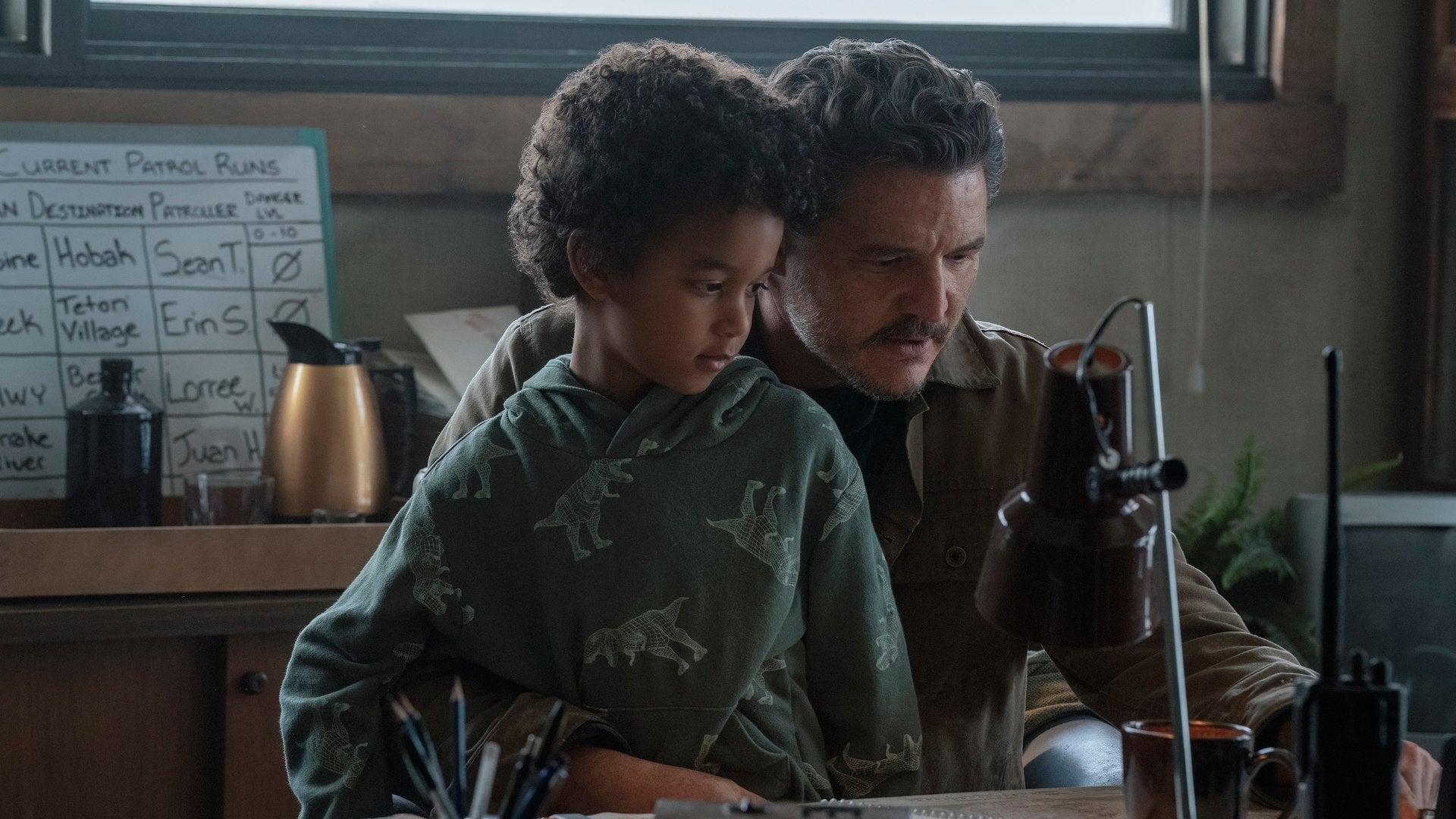
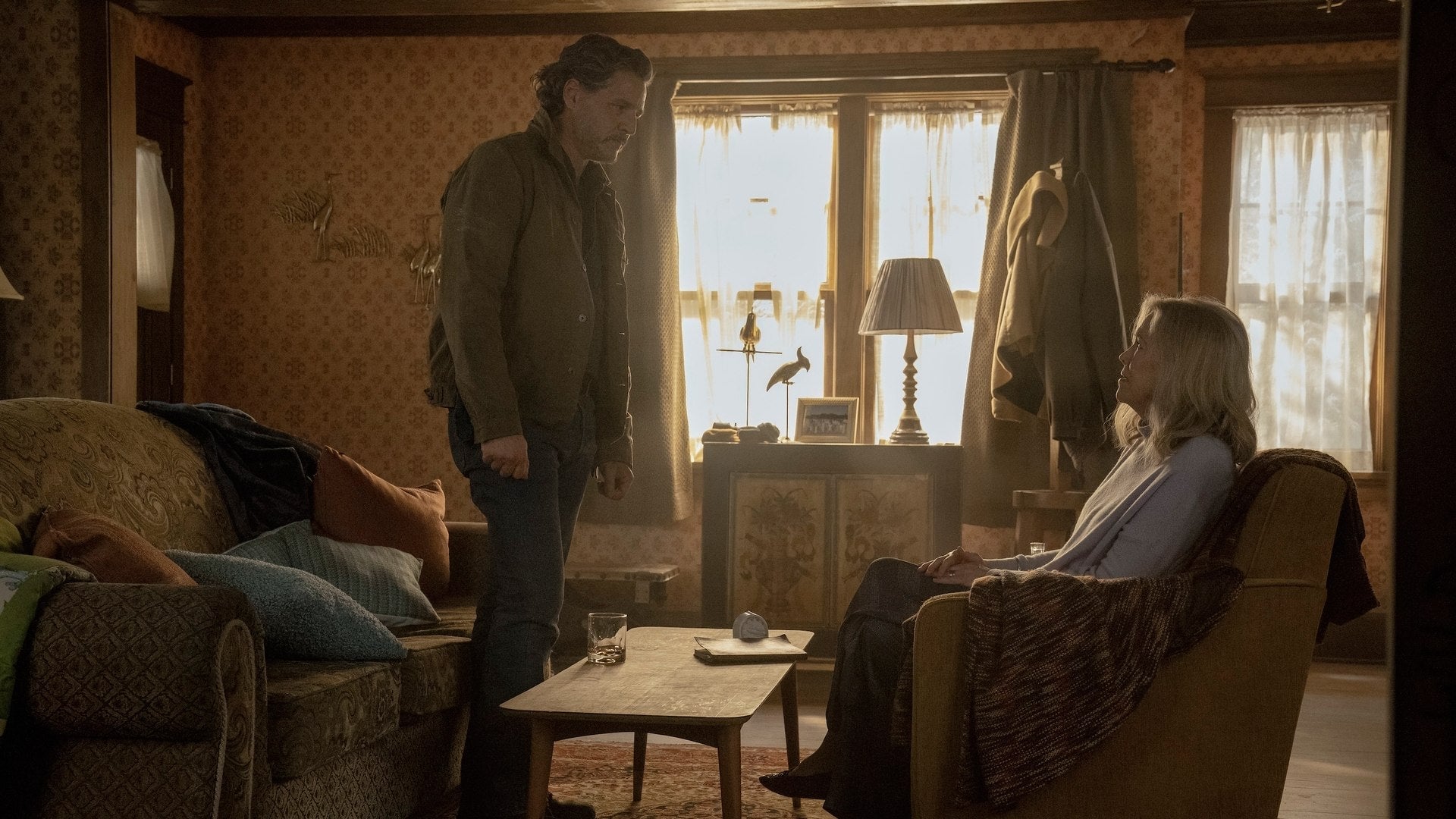
One of the most welcome changes in this season is the expanded relationship between Joel and Dina (Isabela Merced). Seeing Joel attempt to play the role of a well-meaning—if oblivious—dad trying to navigate teen angst adds a layer of humanity to his character. The show also introduces a new plot point: Joel’s therapy sessions with Gail (Catherine O’Hara). While O’Hara is a delight, these scenes threaten to turn the characters’ trauma into a “book report,” where feelings are analyzed and explained rather than felt through action.
The Hunt, The Dance, and The Divide
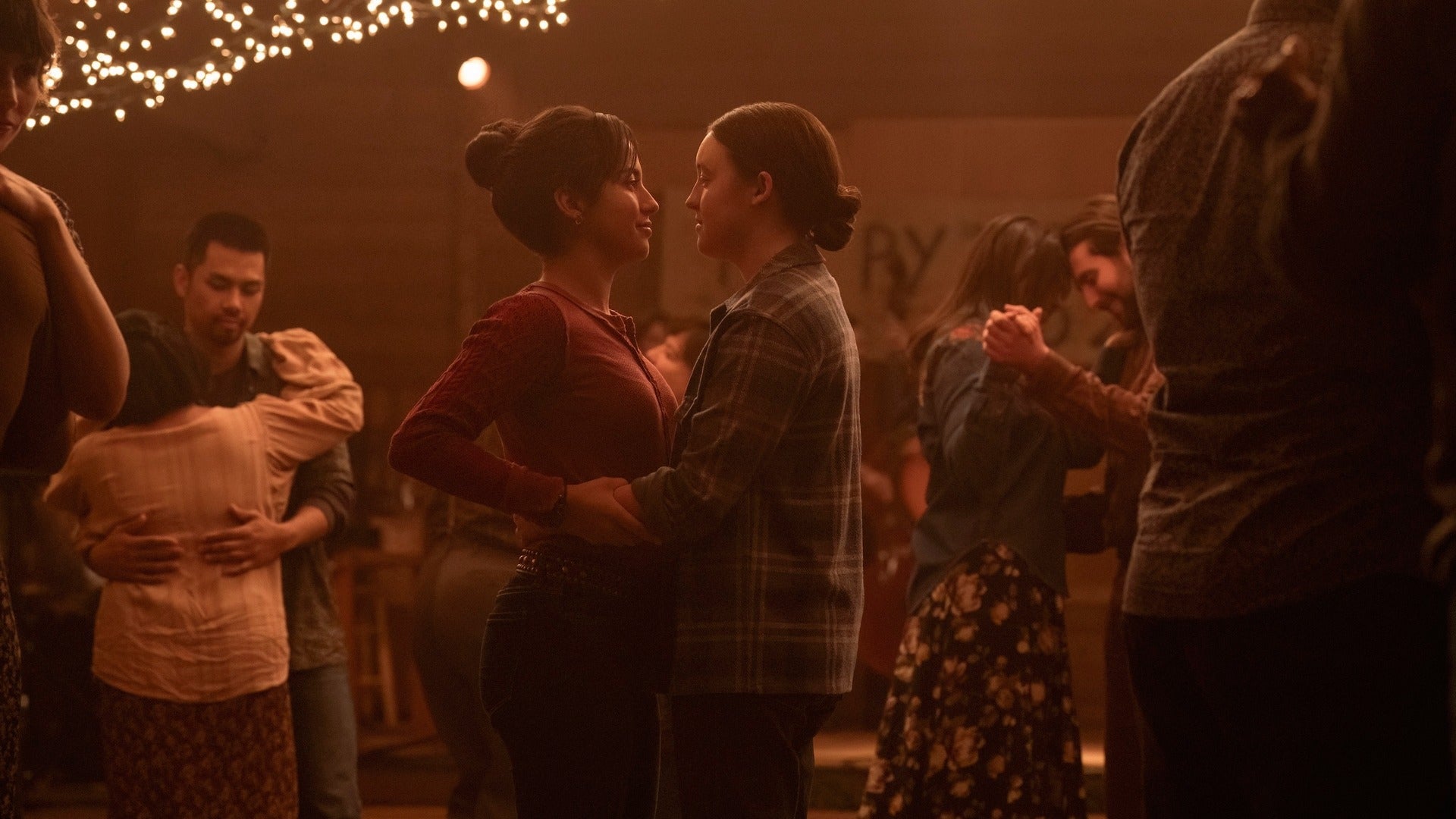
The episode finds its footing during the patrol sequences. Ellie and Dina’s dynamic is electric, and their encounter with a new, terrifying type of infected—the stalker—is a standout moment of horror. The show’s recreation of the iconic dance sequence is another high point, capturing the tension, flirtation, and eventual confrontation with the town bigot, Seth. Yet, even here, the show deviates. In a shocking twist, the pivotal porch conversation between Joel and Ellie—a foundational moment for their relationship—is omitted, leaving viewers to wonder how the series will bridge this gap in future episodes.
As the episode closes, the threat of the Cordyceps fungus spreading within Jackson’s walls mirrors the external danger posed by Abby’s arrival. With the stage set for a collision between Jackson’s fragile peace and the encroaching forces of revenge, the show has officially begun its adaptation of the franchise’s most divisive story. Whether it can balance its desire for “clarity” with the emotional depth of the source material remains the season’s biggest question.