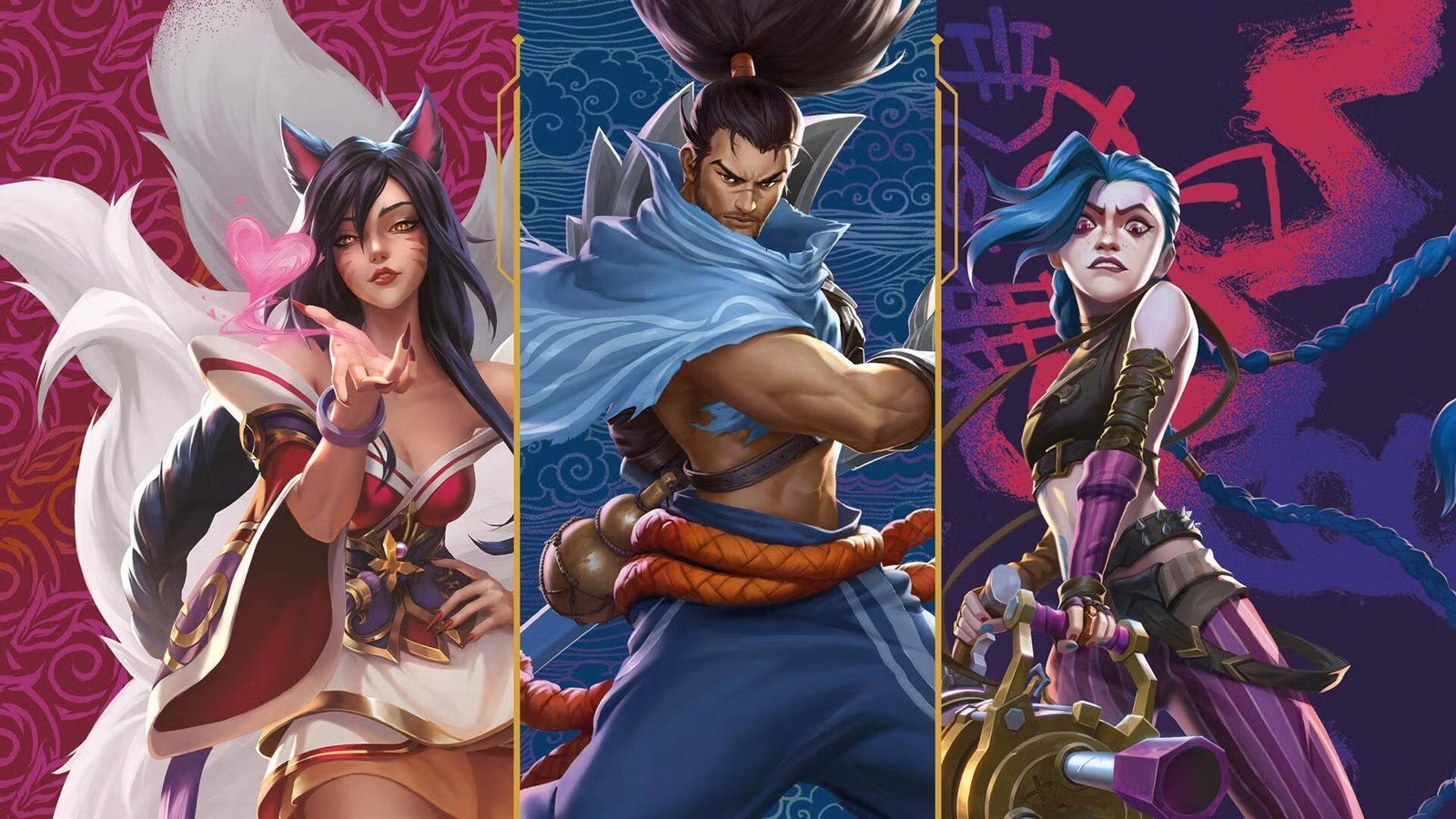
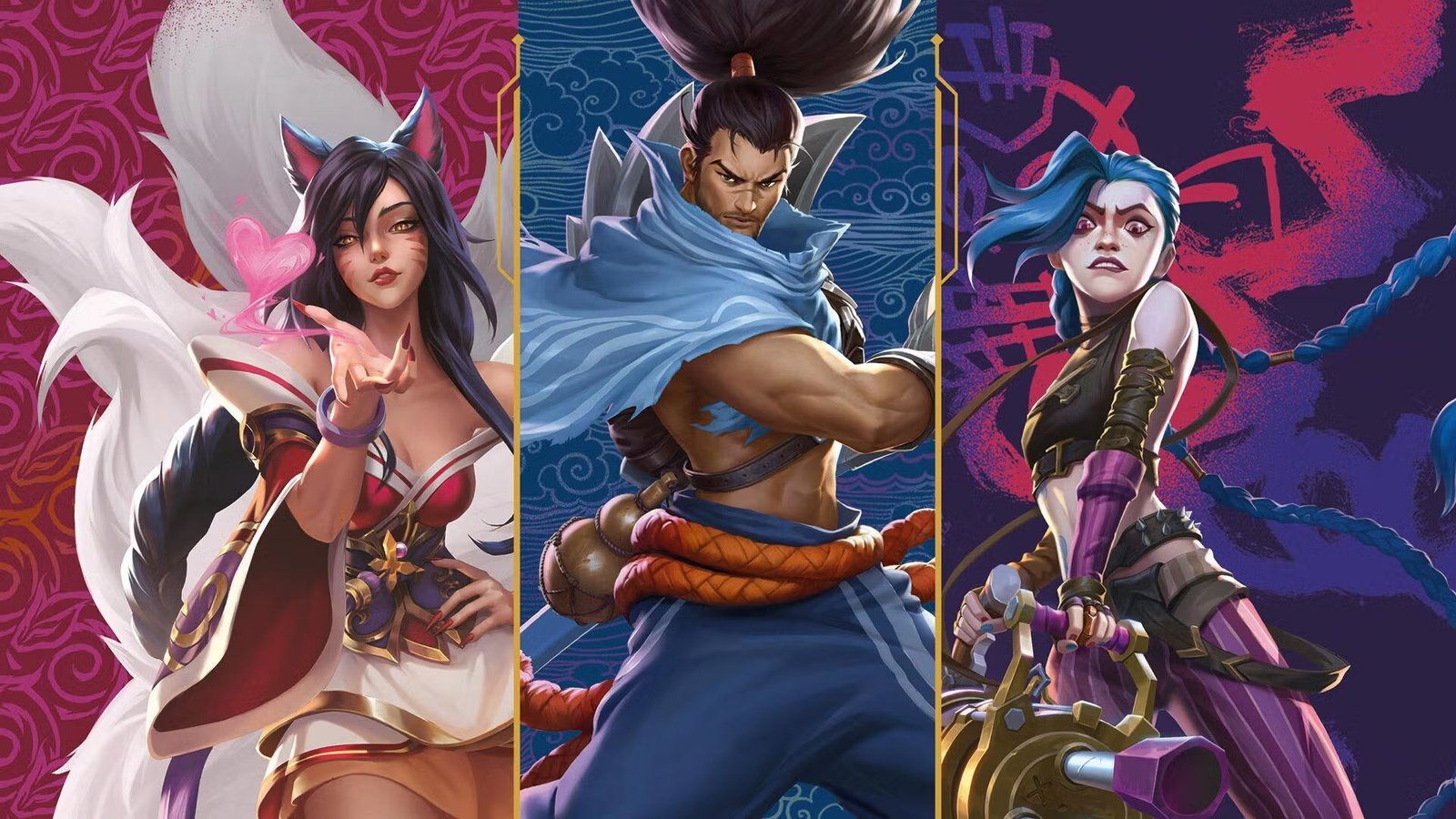
Riot Games has officially entered the competitive Trading Card Game (TCG) market with Riftbound, a League of Legends-themed card game that is already defying market expectations by selling out its initial print run and creating a massive secondary market frenzy.
A Crowded Market With Room for Innovation
Trading Card Games are currently experiencing an unprecedented boom, yet the landscape remains dominated by the long-standing reign of Magic: The Gathering. While titles like Pokémon and Yu-Gi-Oh maintain massive followings, they rarely challenge Magic’s core strategic dominance. The graveyard of the TCG industry is filled with hundreds of failed attempts from the 90s to the present, proving that brand recognition alone is rarely enough to survive.
Riot Games, however, possesses a unique advantage: over a decade of League of Legends cultural dominance. The immediate scarcity of Riftbound cards suggests the hunger for this IP is real. But for long-term success, the game must transcend the “League fan” demographic and capture the attention of veteran TCG players who prioritize organized play and competitive integrity.
Mechanics Designed for the Modern Player
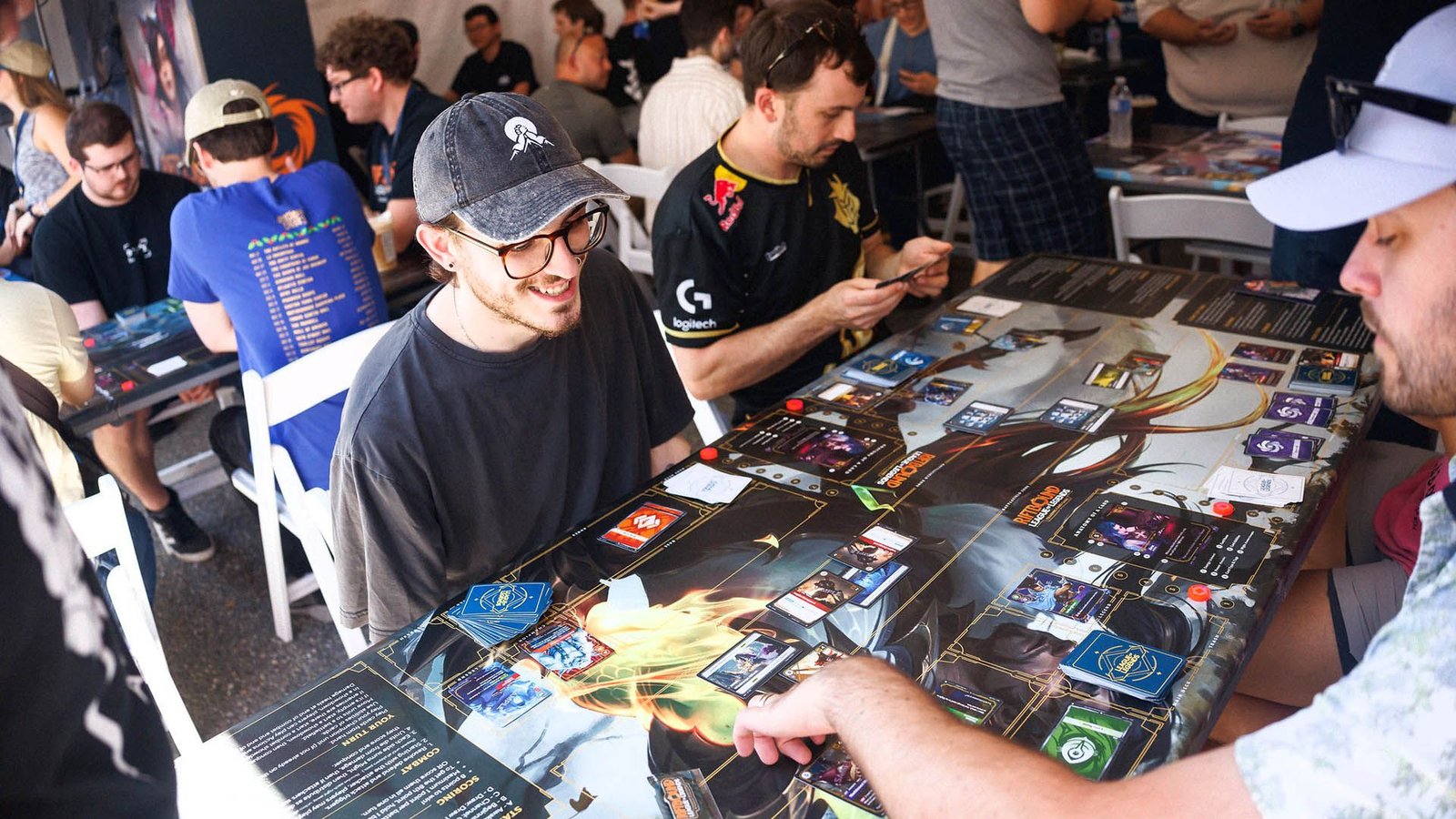
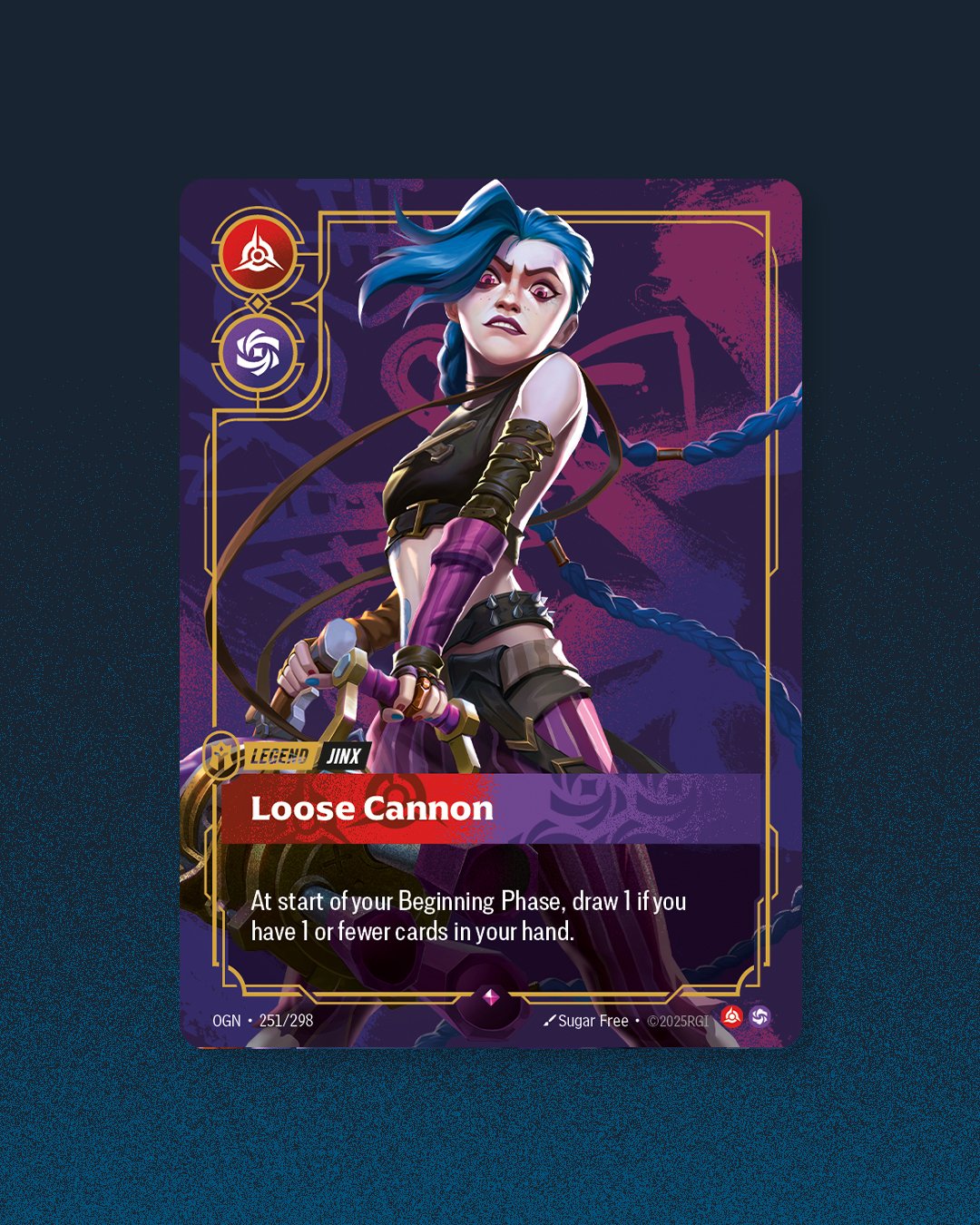
What sets Riftbound apart is its “game-first” design philosophy. The mechanics feel tailor-made for how modern players actually want to engage with tabletop games. Players build 40-card decks centered around a single League of Legends Champion, utilizing two of the game’s six “Domains” (the equivalent of colors or factions).
Crucially, the resource system is streamlined: players draw power from a separate 12-card deck of runes, which enter play two at a time each turn. This removes the “mana screw” frustration prevalent in older card games and mirrors the accessibility of the popular Magic: The Gathering Commander format, where deck identity is tied to a specific character.
Solving the “Commander” Conflict
Unlike Magic, which currently struggles with a divide between its competitive 60-card formats and its social 100-card Commander format, Riftbound uses a unified ruleset. The game is designed to be inherently scalable, functioning seamlessly in two-player duels, two-on-two team matches, or four-player free-for-alls. This flexibility allows the same deck to be used for casual nights and competitive tournaments, as well as potential draft or sealed formats.
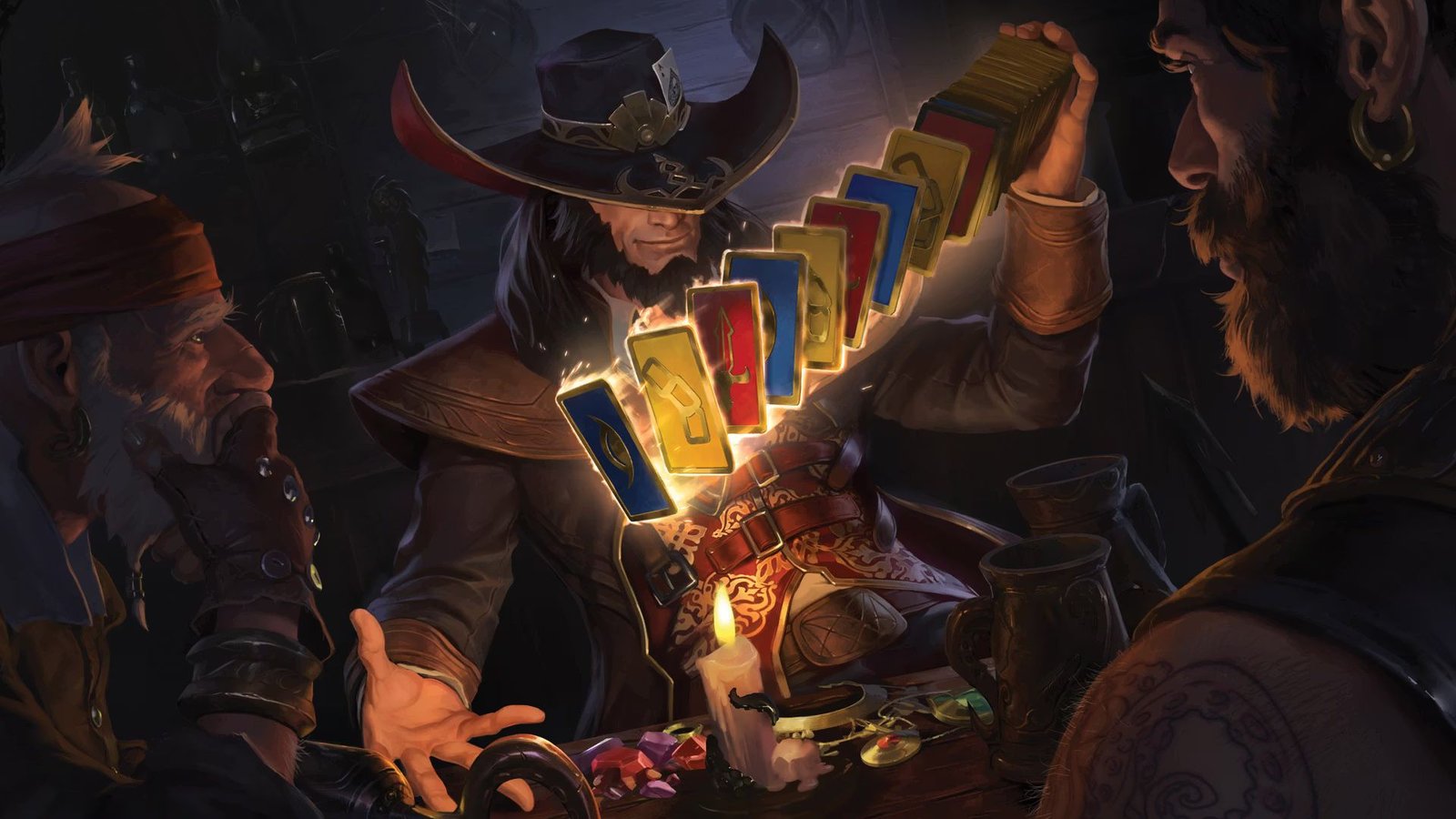
During testing, the game’s combat mechanics proved particularly refreshing. Players compete for control of battlefields provided by their decks. Because only two players can contest a specific battlefield at once, the “madcap complexity” of priority phases often found in Magic is significantly reduced. The game remains deep and strategic, but it avoids the rules-lawyering that can bog down tabletop sessions.
The Road Ahead
Riot has a proven track record of tabletop excellence, evidenced by the high regard for their 2016 release Mechs vs. Minions. Partnered with publisher UVS, there is a strong foundation for both game design and distribution. Whether Riftbound becomes a mainstream juggernaut or a beloved cult classic like Android: Netrunner, it has clearly arrived with enough mechanical substance to demand attention.
For Riftbound to cement its place, the next phase is critical: maintaining a steady cadence of interesting releases, meeting consumer demand, and—most importantly—winning over players who have never touched League of Legends but appreciate a well-crafted, competitive tabletop experience.