
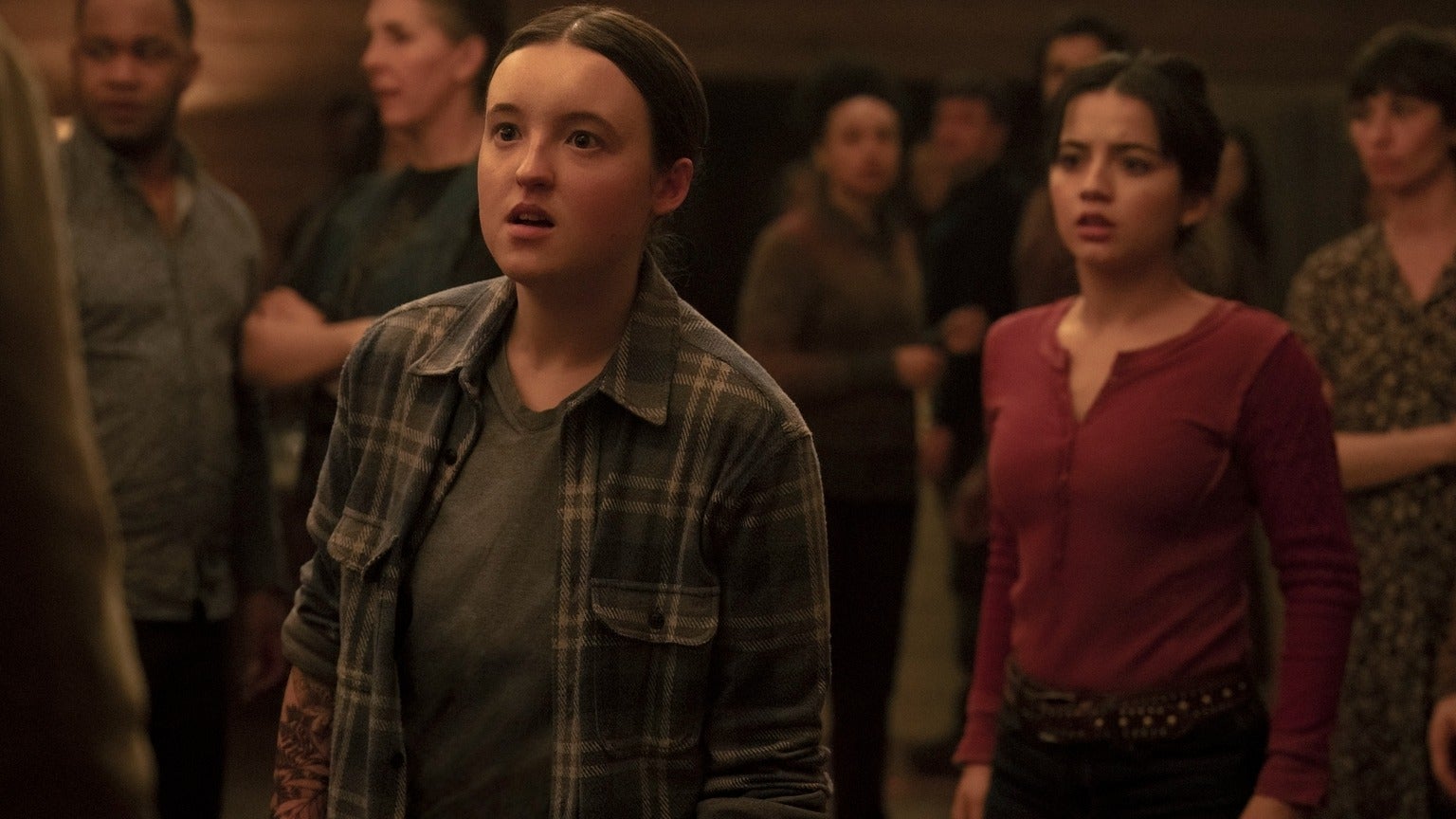
HBO’s The Last of Us returned with a vengeance on April 13, drawing 5.3 million viewers for its second season premiere—a 13 percent surge over the 4.7 million who tuned in for the series debut two years ago. This growth underscores the show’s massive cultural footprint as it picks up the narrative threads following Joel’s (Pedro Pascal) polarizing decision to spare Ellie.
A Proven Ratings Juggernaut
The performance of this premiere cements the show’s status as a top-tier asset for HBO. For context, the original debut in 2023 stood as the network’s second-largest premiere since 2010’s Boardwalk Empire. Given that the inaugural season experienced a consistent upward trajectory in viewership—culminating in a 74 percent increase by the season finale—industry analysts anticipate this new chapter could see similarly explosive growth as the narrative unfolds.
What Lies Ahead in Season 2
While showrunners have confirmed that this season will not encompass the entirety of The Last of Us Part II video game, the scope remains ambitious. Early critical reception highlights standout performances, particularly from Jeffrey Wright as Isaac Dixon. Trailers have already set the stage for intense emotional stakes, specifically Ellie’s long-awaited confrontation with Joel regarding his lies. Furthermore, the premiere has teased a shift in the infected, depicting them as more calculated and strategic threats rather than mindless predators.
The Verdict on 2025’s Must-Watch TV
Whether this season captures the exact same level of moral complexity found in the source material remains a point of debate for fans. However, the viewership data suggests that the series is firmly positioned to remain one of the most-watched television events of 2025. With its blend of high-stakes drama and established fan loyalty, the show’s dominance seems as inevitable as a lethal encounter with a Clicker.