

Following the harrowing events in Jackson, the third episode of The Last of Us Season 2 pivots from raw grief to the cold, calculated preparation for a path of vengeance. As Ellie recovers from her injuries and the community of Jackson attempts to move forward, the narrative shifts toward a dangerous, inevitable journey to Seattle.
A Town in Mourning
The episode opens in the grim aftermath of the battle. We find Tommy at the morgue, sharing a final, quiet moment with Joel’s body. It is a rare, restrained instance of grief that avoids the show’s recent tendency toward over-explanation, allowing Tommy’s silent dialogue with his brother to carry the emotional weight. Meanwhile, Ellie remains hospitalized, haunted by the trauma of what she witnessed, only to be discharged months later into a town that is slowly beginning to rebuild.
The Therapy Facade
Upon her release, Ellie undergoes a mandatory evaluation with Gail (Catherine O’Hara). The scene highlights the show’s polarizing approach to character development: Ellie performs the “correct” emotional response to satisfy her superiors, masking her true, volatile rage. While the scene serves to illustrate Ellie’s isolation, it also underscores a recurring frustration with the series’ dialogue—it often feels like the show is lecturing the audience on how to interpret Ellie’s trauma rather than letting the character’s actions speak for themselves.
Walking in Joel’s Footsteps
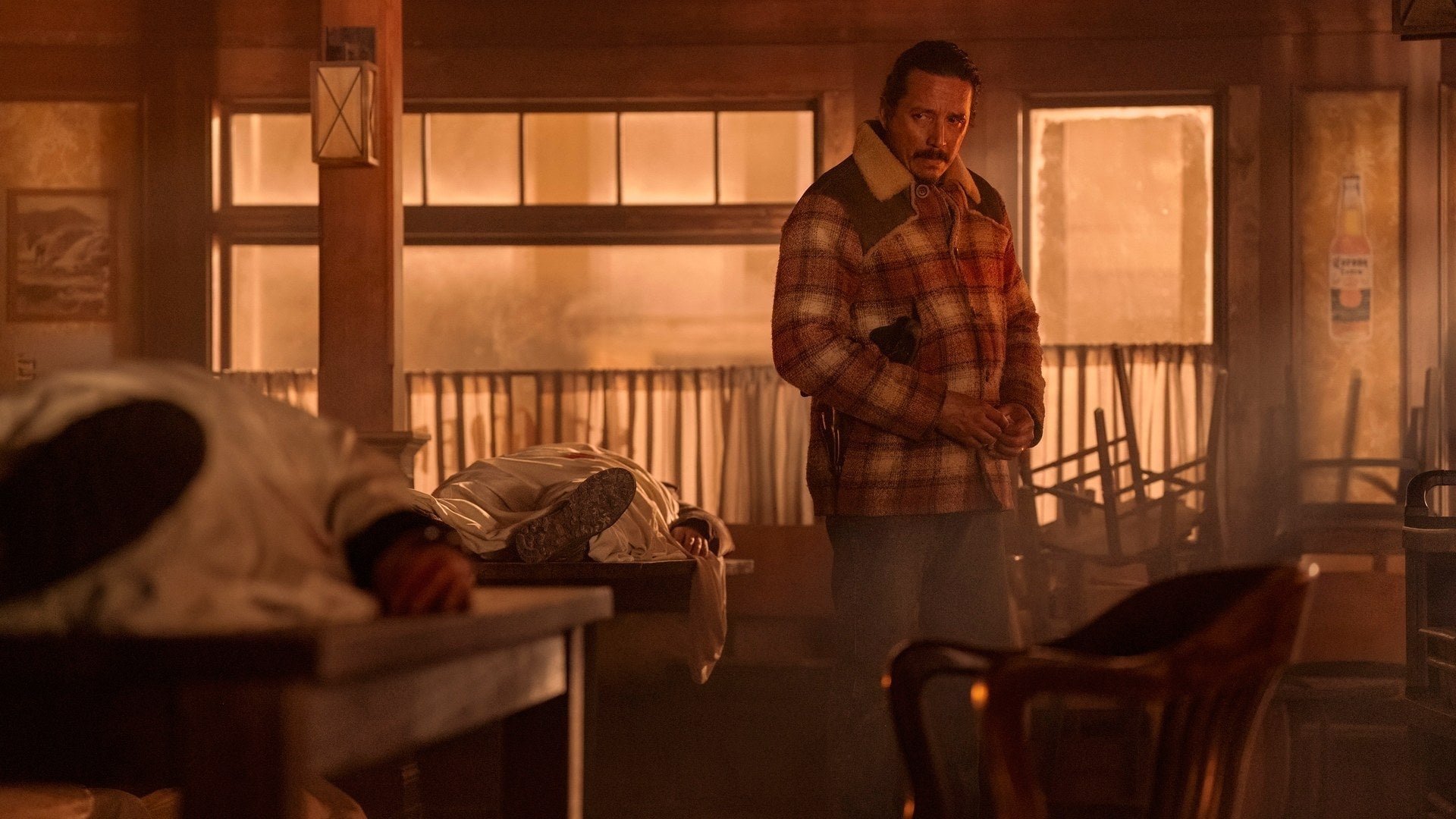
Ellie eventually returns to Joel’s home, a space that serves as a poignant time capsule of his life and his complicated role as a father figure. The discovery of his unfinished wood projects and his remaining belongings—his watch and revolver—serves as the final push for her mission. The show’s decision to include a childhood bedroom for Ellie in Joel’s house is a standout detail, illustrating the distance that had grown between them and the versions of her Joel kept frozen in time.
The Council and the Conflict
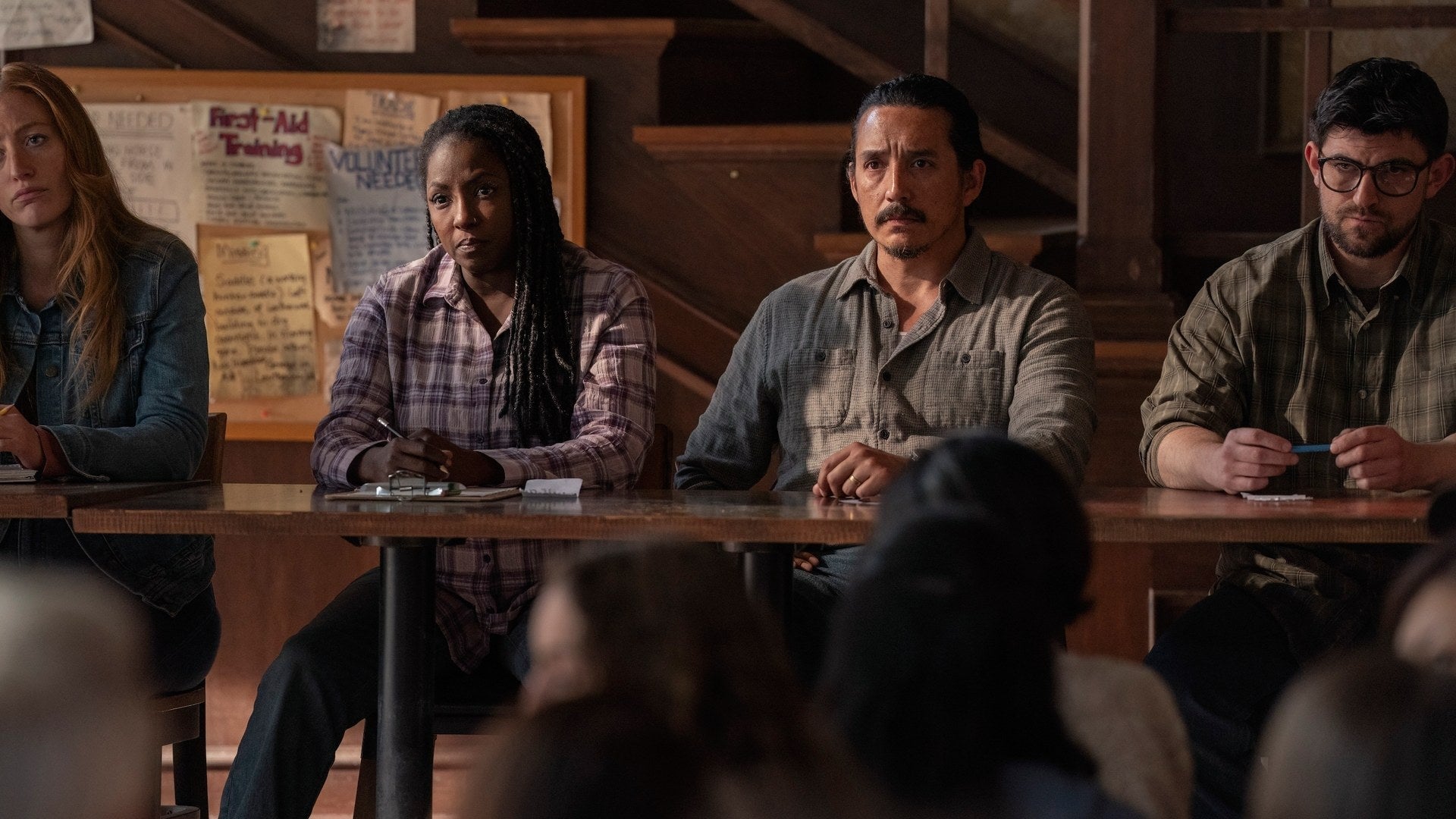
The political tension in Jackson reaches a boiling point when Ellie petitions the council to pursue Abby. The debate reveals a divided community: some prioritize survival and mercy, while others, including the town’s unlikely ally Seth, view the threat as an existential one. Ultimately, the council denies the request, forcing Ellie to realize that if she wants justice, she must walk the path alone—or with the help of those who choose to follow her.
Introduction to the Seraphites
We receive a chilling introduction to the Seraphites, a cultish faction defined by their archaic weaponry and cryptic whistling. This group, currently locked in a brutal conflict with the Washington Liberation Front (W.L.F.), provides a grim preview of the environment Ellie and Dina are walking into. The parallels between these fictional conflicts and real-world tensions add a layer of complexity that the show is clearly positioning as a central theme for the remainder of the season.
The Journey Begins
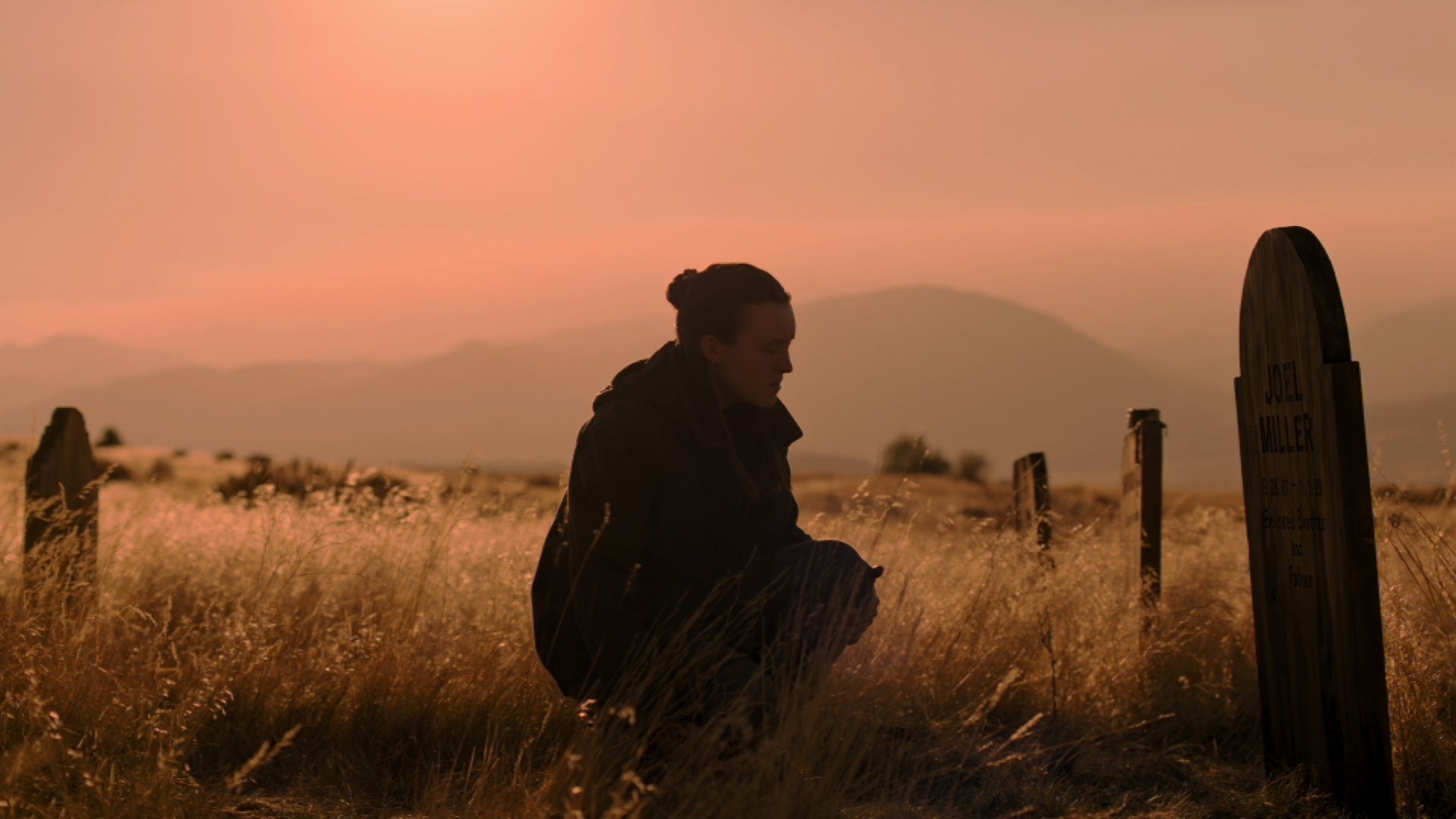
Dina eventually joins Ellie on her trek to Seattle, not to stop her, but to ensure she survives the journey. Their dynamic on the road provides a necessary human element to the encroaching darkness. A stop at Joel’s grave offers a moment of understated respect, avoiding the temptation to over-dramatize the goodbye. As they draw closer to the city, the discovery of a decimated Seraphite patrol confirms that they are entering a war zone far more dangerous than they anticipated.
A Dangerous Arrival
The episode concludes with the pair reaching the outskirts of Seattle. While Ellie is fueled by a desire for retribution, the reality of the W.L.F.’s military might—complete with tanks and tactical units—suggests that her singular focus may not be enough to survive what lies ahead. As Manny watches from the Space Needle, unaware of the approaching duo, the stage is set for a collision that will test the limits of Ellie’s resolve.
New episodes of The Last of Us premiere on Sundays at 9 p.m. Eastern on Max.