
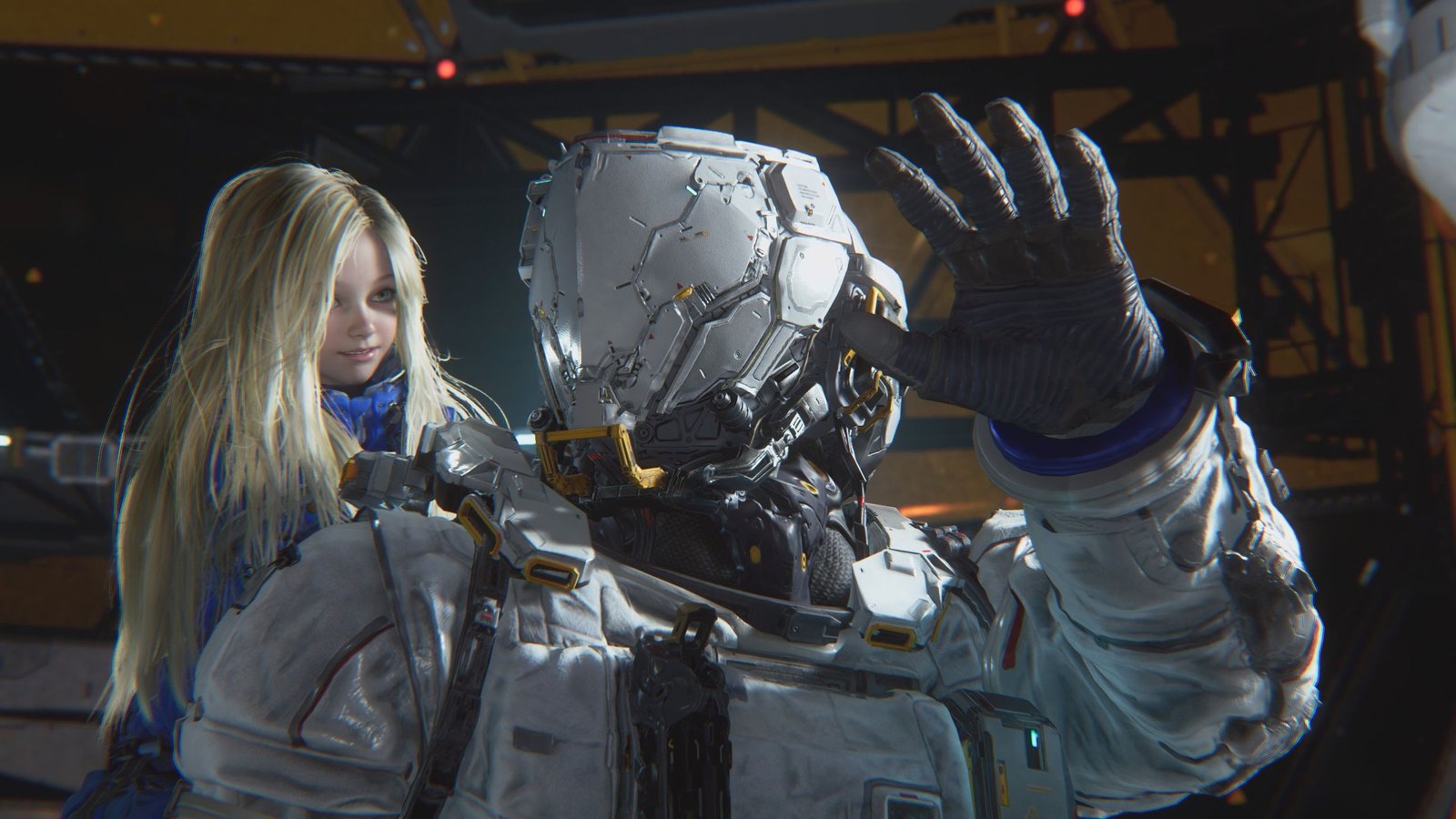
Pragmata director Cho Yonghee is embracing positive fan feedback comparing the upcoming title to the unique, experimental games of the Xbox 360 and PS3 generation. In a recent interview, the development team revealed that capturing the “magic” of that era is a deliberate nod to their own fond memories of gaming’s past.
A Nostalgic Vibe with Modern Mechanics
“We have seen a lot of those types of comments saying that, in a good way, it feels like an old-school game,” Yonghee explains. “That’s something that we’re actually really pleased with. Personally, I’m someone who’s got a lot of happy experiences and memories from that generation. There were a lot of really unique and interesting games that came out back then. If people feel we have that magic, it’s very good feedback.”
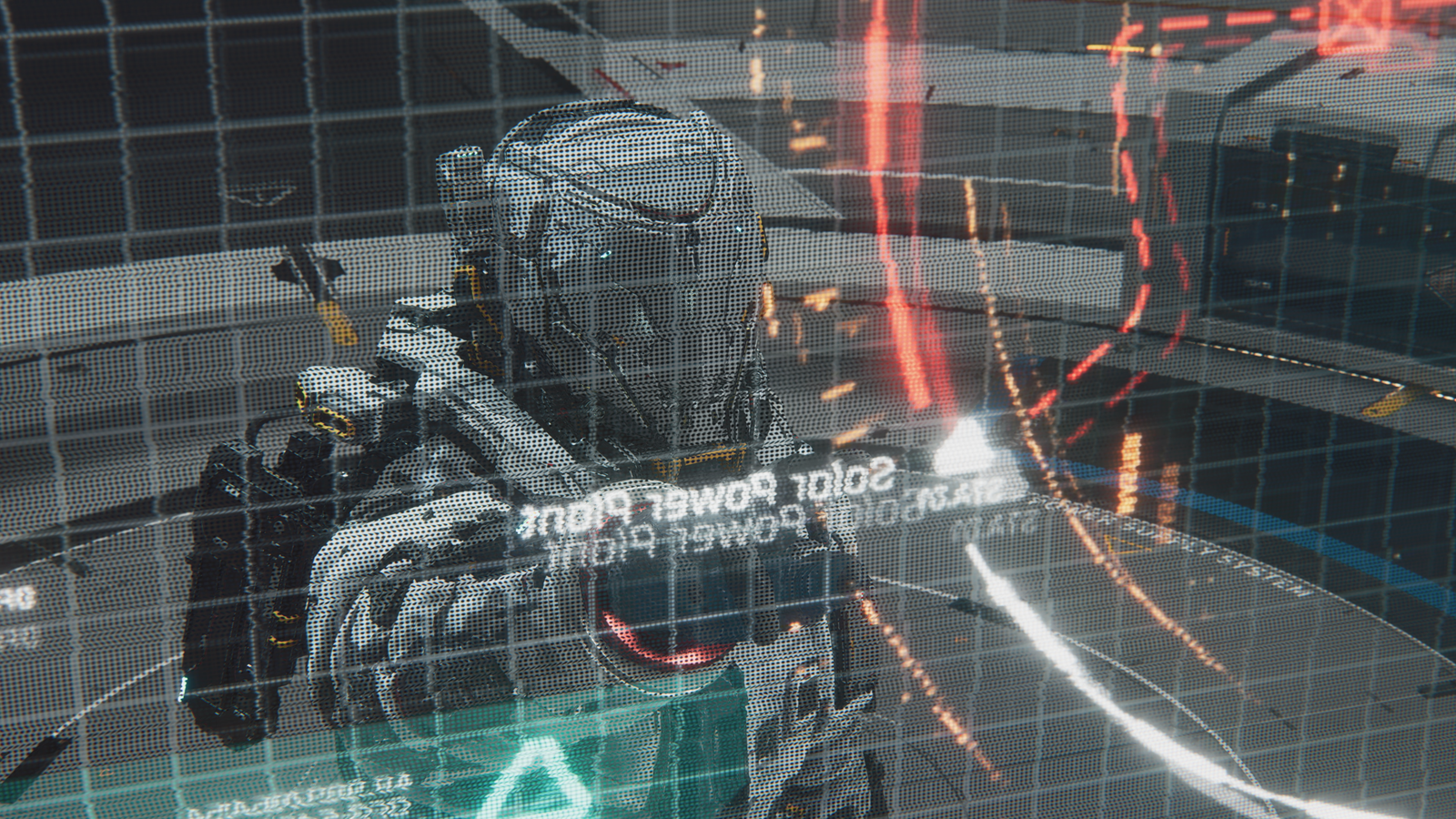
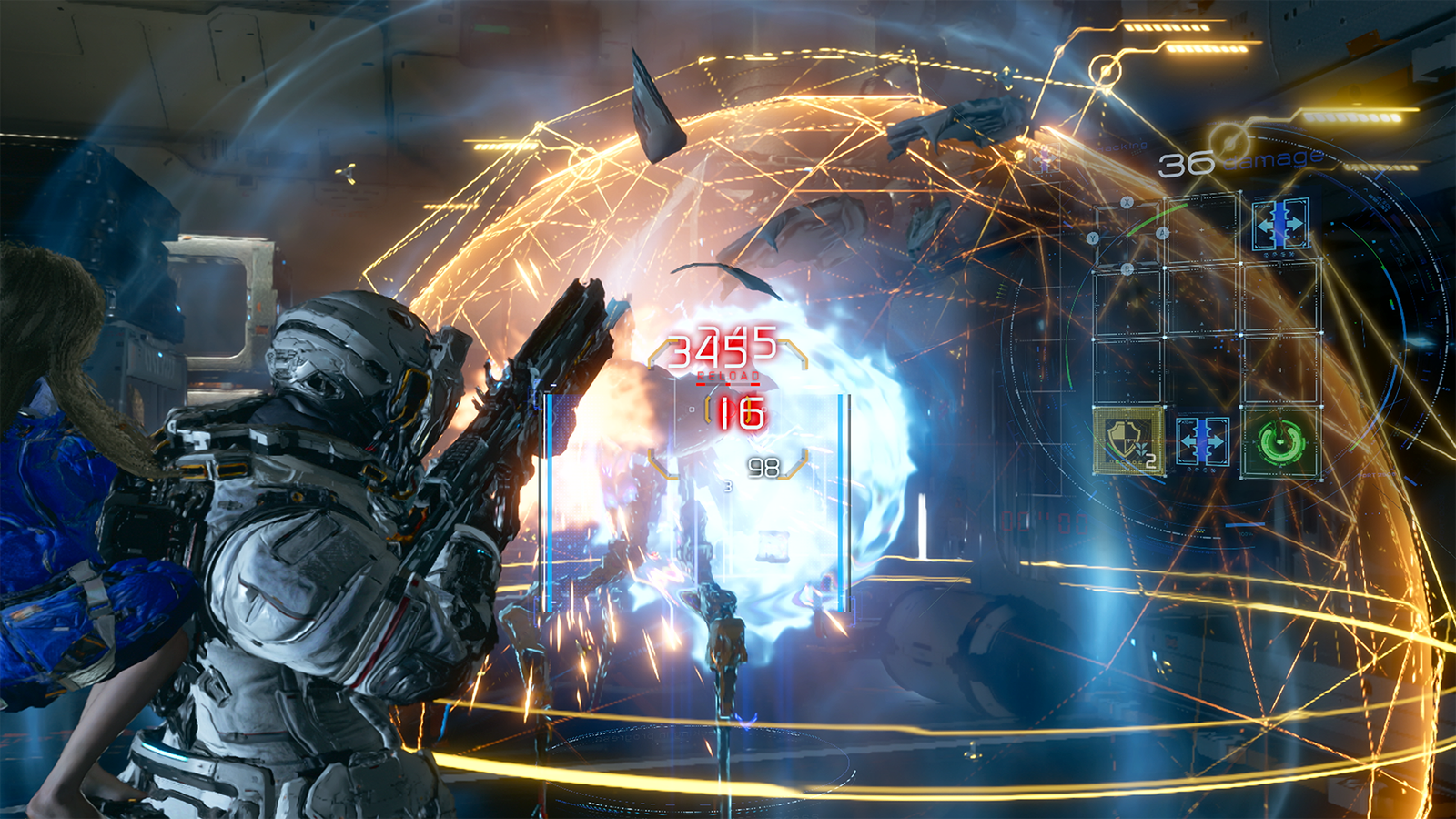
The “old-school” perception stems largely from the game’s core combat loop, which elevates the standard third-person shooter formula by integrating hacking mechanics. Players must utilize their companion, Diana, to hack enemies and inflict status debuffs before protagonist Hugh can effectively engage them with weaponry, adding a layer of tactical depth that differentiates it from modern, straightforward shooters.
Sci-Fi Exploration and Strategic Depth
Set within a lunar base controlled by a rogue AI, the game challenges players to navigate a surreal, fractured environment. The setting encourages dynamic traversal and platforming, forcing players to dash through laser grids and navigate shifting architecture to reach hidden objectives. This environmental design complements the combat, ensuring that the gameplay feels cohesive rather than repetitive.
The Iterative Design Philosophy
Producer Naoto Oyama emphasizes that the studio’s primary goal is to ensure that the narrative and gameplay feel inextricably linked. “As a team, we want to have a satisfying gameplay experience at the end of the design process,” says Oyama. “We start with a core concept and visuals, but we constantly look back to see how the characters tie into the gameplay and how that gameplay affects the depiction of those characters.”
This iterative cycle is designed to create a sense of intentionality, ensuring that by the time players reach the end, the story and the mechanics feel like a unified, singular vision. According to the team, this ongoing refinement process is the key to delivering a cohesive experience that stands out in today’s crowded market.